Incorporating a Jaw Motion Analyzer like the Zebris system into Full Mouth Rehabilitation
Автор: Dr. Zardasht N. Bradosty
Загружено: 2025-02-23
Просмотров: 191
Описание:
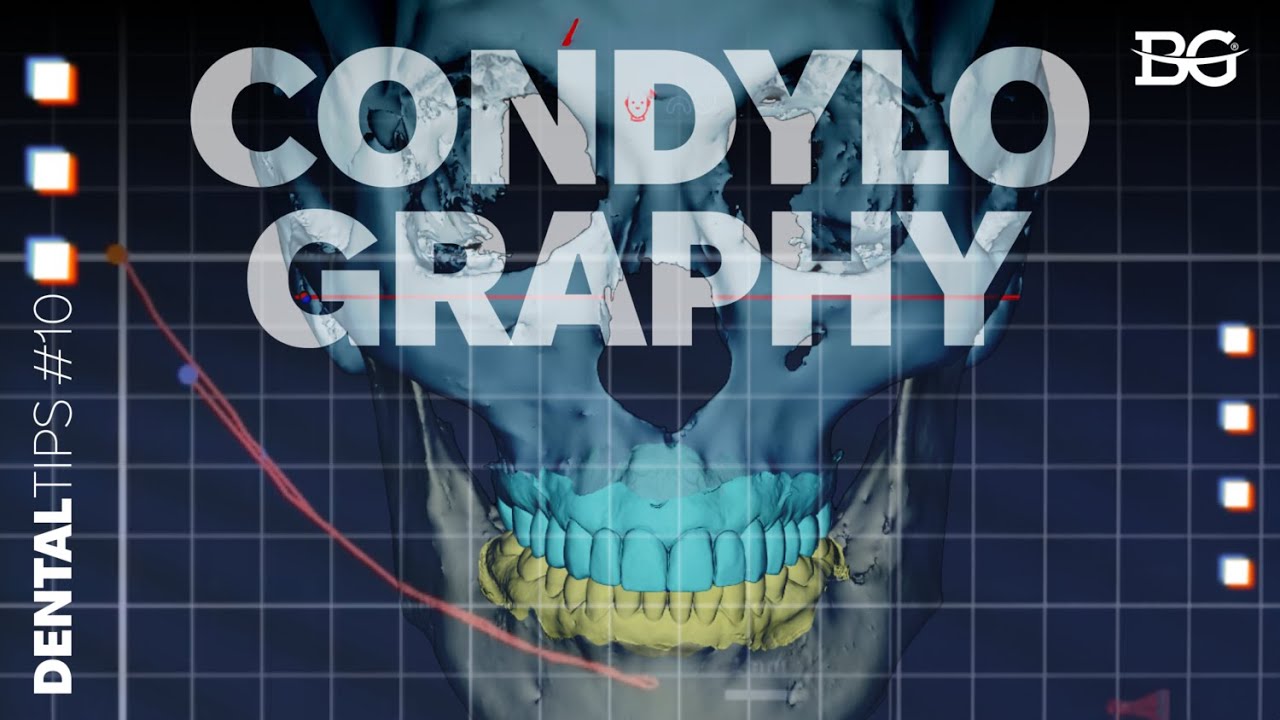
The Zebris Jaw Motion Analyzer is a cutting-edge tool that tracks and analyzes the movement of the jaw, including the range of motion, speed, and coordination during function.
How you can incorporate it into Full Mouth Rehabilitation:
1- Pre-Treatment Analysis; Assess Mandibular Movement: Use the Zebris system to capture baseline data on the patient's jaw movements, including vertical, lateral, and protrusive motion. This helps identify any dysfunctions, such as restricted range of motion or irregularities in the temporomandibular joint (TMJ). Evaluate Occlusion: With the system, you can assess occlusal patterns, including the way the upper and lower teeth come together during different functional movements. This can inform decisions about how to proceed with restoring the bite and correcting any malocclusion.
2- Personalized Treatment Planning; Customizing Occlusal Splints or Restorations: The data from the jaw motion analysis allows you to design more accurate and individualized restorations. You can make precise adjustments to crowns, bridges, or veneers based on how the patient’s jaw naturally moves. Function-Oriented Restorations: Full Mouth Rehabilitation often involves restoring both function and aesthetics. Knowing how the jaw moves and where the stress points are can help in designing restorations that function harmoniously with the patient’s unique jaw dynamics, leading to longer-lasting and more comfortable results.
3- Tracking Functional Changes During Treatment; Monitoring Adaptation: As the patient undergoes the rehabilitation process, you can use the Zebris system to track changes in jaw motion. This can be particularly useful if you are making adjustments to the occlusion or if the patient is undergoing orthodontic treatment. Objective Measurements: You can objectively measure improvements in jaw function as the patient progresses, confirming that the restorations are improving the overall function of the bite and TMJ health.
4. Post-Treatment Evaluation - Final Adjustments: After the full mouth rehabilitation is complete, a final analysis can be conducted to ensure that the new bite and restorations are fully integrated into the patient's jaw function. If any minor adjustments are needed, they can be identified early. - TMJ Health: With the Zebris system, you can also evaluate how the rehabilitation affects the temporomandibular joint, ensuring there are no issues with the jaw's movement that could lead to discomfort or dysfunction.
5. Patient Education and Communication -Visual Representation: The Zebris system provides visual feedback that can help explain the treatment process and the improvements in jaw function to the patient. This can increase their confidence in the proposed treatment plan. - Better Understanding of Treatment Goals: With motion analysis, you can provide more detailed and evidence-based explanations to your patients, enhancing their understanding of how the rehabilitation process will improve their function and comfort.
6. Improving Overall Function- Better Jaw Coordination: By ensuring the rehabilitative work is in harmony with the patient’s natural jaw movements, the likelihood of achieving optimal bite function increases. This is critical for avoiding long-term issues related to excessive wear, muscle fatigue, or joint dysfunction.
Conclusion Incorporating the Zebris Jaw Motion Analyzer into Full Mouth Rehabilitation can significantly enhance the precision, outcome, and predictability of the treatment. By ensuring that the patient’s jaw movements are fully considered during the planning and execution of the rehabilitation process, you can achieve more comfortable, functional, and aesthetically pleasing results.
Повторяем попытку...

Доступные форматы для скачивания:
Скачать видео
-
Информация по загрузке: