Polish Lavvu Hot Tent Camping | Field recording session
Автор: Polish Soundscapes
Загружено: 2023-02-11
Просмотров: 1001
Описание:
The lavvu is a temporary structure that has been used by the nomadic peoples of the Eastern world, Scandinavia and Russia for millenia. The traditional Lavvu has a design similar to a Native American tipi but is less vertical and more stable in high winds and is traditionally made from reindeer hides and other natural materials.
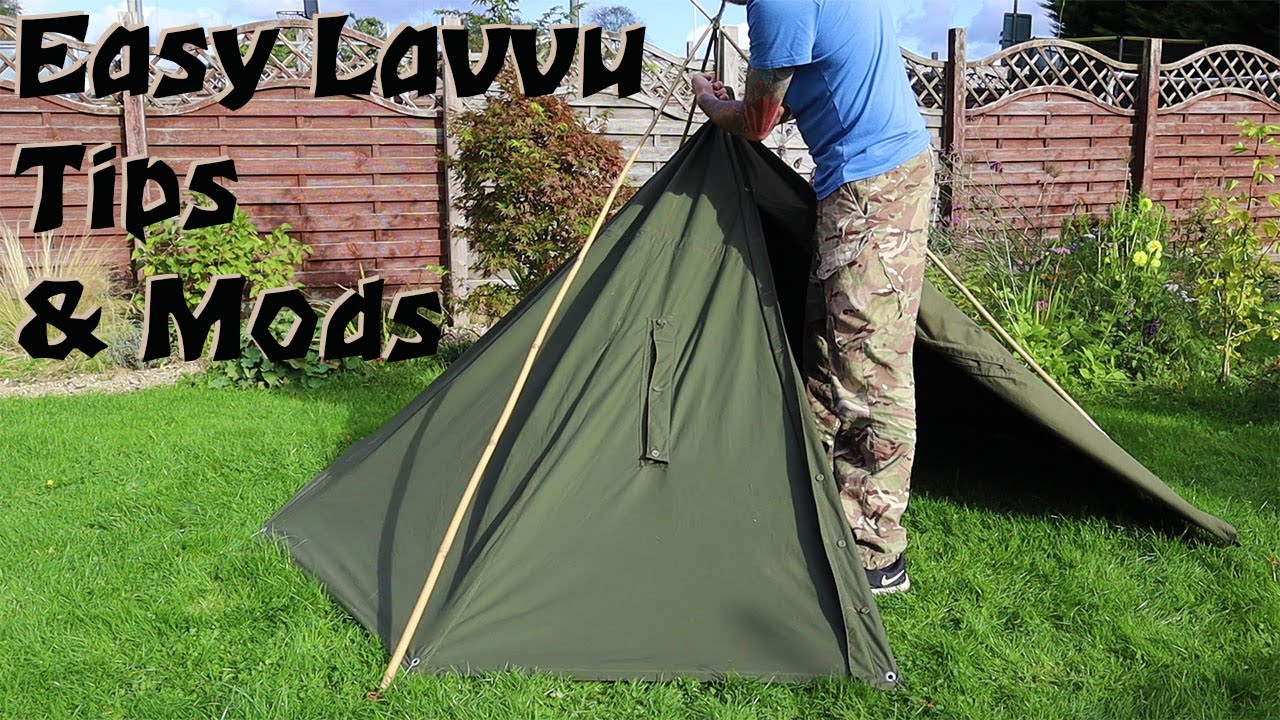
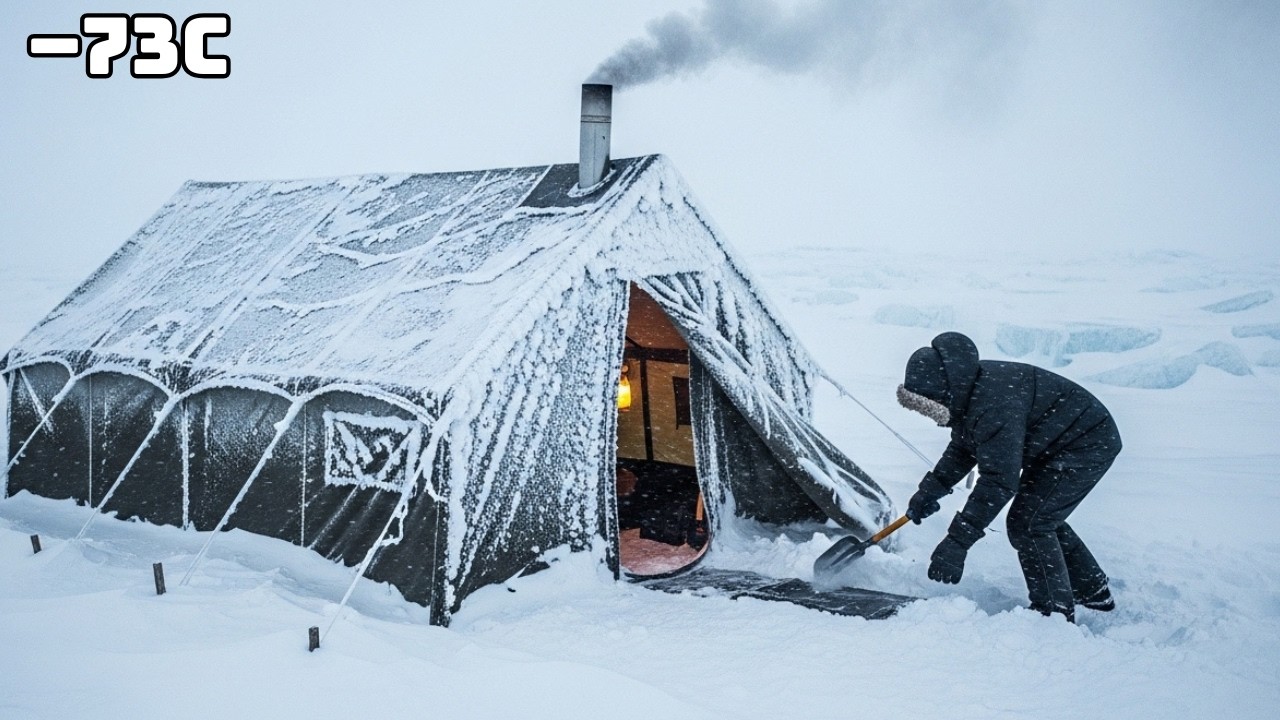
The most common type of lavvu you will find today, and probably the most affordable, is the military surplus type. In recent years the Polish Army Lavvu (pałatka) has been the most popular choice. The great thing about the Polish lavvu is its versatility. Definitely not the most lightweight piece of kit out there, but I suppose if you are hot-tenting, then weight is something you simply have to deal with. The original design for this lavvu was that it came in two separate parts, which could also be worn by a soldier as a poncho. Then at camp time, two soldiers could either sleep under their poncho, or in bad weather conditions, could button two ponchos together to make a cotton lavvu that would protect against the wind and rain and keep them comfortable. It's good to be aware that if you are going to get a Polish lavvu, then there are 3 sizes available. They can be identified by how many eyelets you find at the end of the door flap.
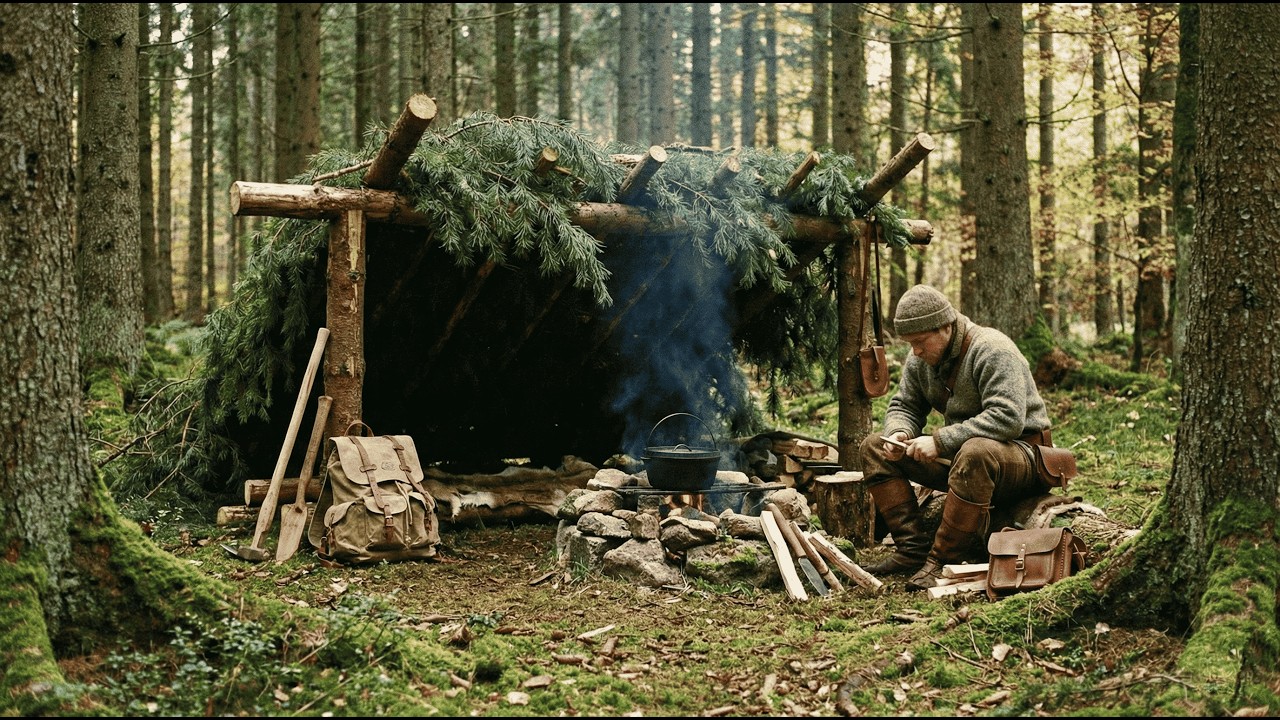
The lavvu, hot tent or tipi is traditionally a homemade structure. Hundreds of years before any of our fancy modern outdoor equipment or brands were around, people actually lived in these structures. They relied on them to protect against the elements, whilst being flexible and transportable enough to work with their nomadic lifestyles. And there is no reason why we cannot also make these structures for ourselves. If you have the time and the patience for this stuff, then it's possible to build yourself a really inexpensive hot tent using simple industrial tarps, cotton canvas…
By hot tent I mean shelter designed to accommodate a wood-burning stove. Master living in one of these and the results can be transformative. A stove will also have the added benefit of keeping you extra cosy and dry, even if there is very heavy rain outside, with the hot air rising inside and drying out your tent constantly. As with all cotton tents, when the fabric becomes wet from rain or snow, the fibres expand and prevent any rain from getting in, provided you are not constantly touching or rubbing against the walls of your tent.
The bigger the tent, the harder it is to heat, and the bigger your stove will have to be. This is something you should be aware of and perhaps be realistic with yourself about how big a tent you actually need. The Polish Lavvu can be +25 degrees in a matter of minutes after lighting the stove, and can be easily maintained by adding small sticks to the fire. For my modifications I added a skirt around the bottom of my lavvu. This allows me in the summer time to have a lot more headroom, and in the winter, to seal around the bottom with snow, giving me extra warmth. As well as this, I added reinforced tensioning straps stitched around the side.
The bottom of your tent is going to be a lot colder than higher up. So if you have the resources, sleep high. Invest in some camp cots if you can afford it. These will have you sleeping very cosy. Insulate the floor: so much heat loss occurs through conduction and it's probably the main source of people having uncomfortable nights sleep in nature. When camping on frozen or snowy ground, make sure you line the floor of your tent with space blankets, foil-lined tarpaulin, deer skins, wool blankets, foam tiles, whatever you have… Just because the tent is warm, does not mean the ground is. Insulate yourself from the ground as much as possible. Eat a high energy snack before bed, like nuts and seeds. This will keep your internal furnace burning for a few hours. Secondly, warm your body physically before bed. A few jumping jacks or a brisk walk around camp should do the trick.
The way a lot of people use their lavvu is by allowing the pipe of their stove to exit out the "pocket" of the lavvu. This is basically the arm hole for a soldier when he is wearing his half of the lavvu as his poncho. The best way to do this safely is to either get a double walled section for your stove's pipe or get a fireproof sleeve to wrap around the section of pipe that is exiting through the sleeve.
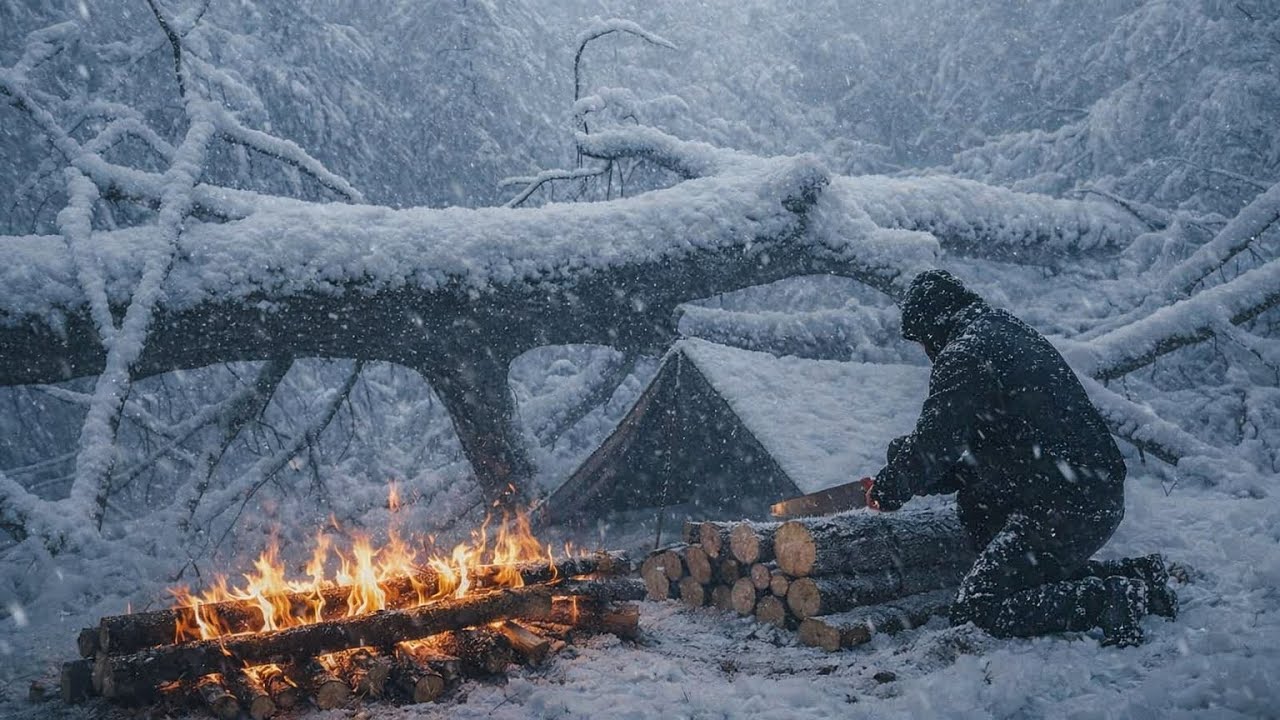
The recording took place in the cold February season on one of the forgotten peaks in the Bardzkie Mountains / Góry Bardzkie.
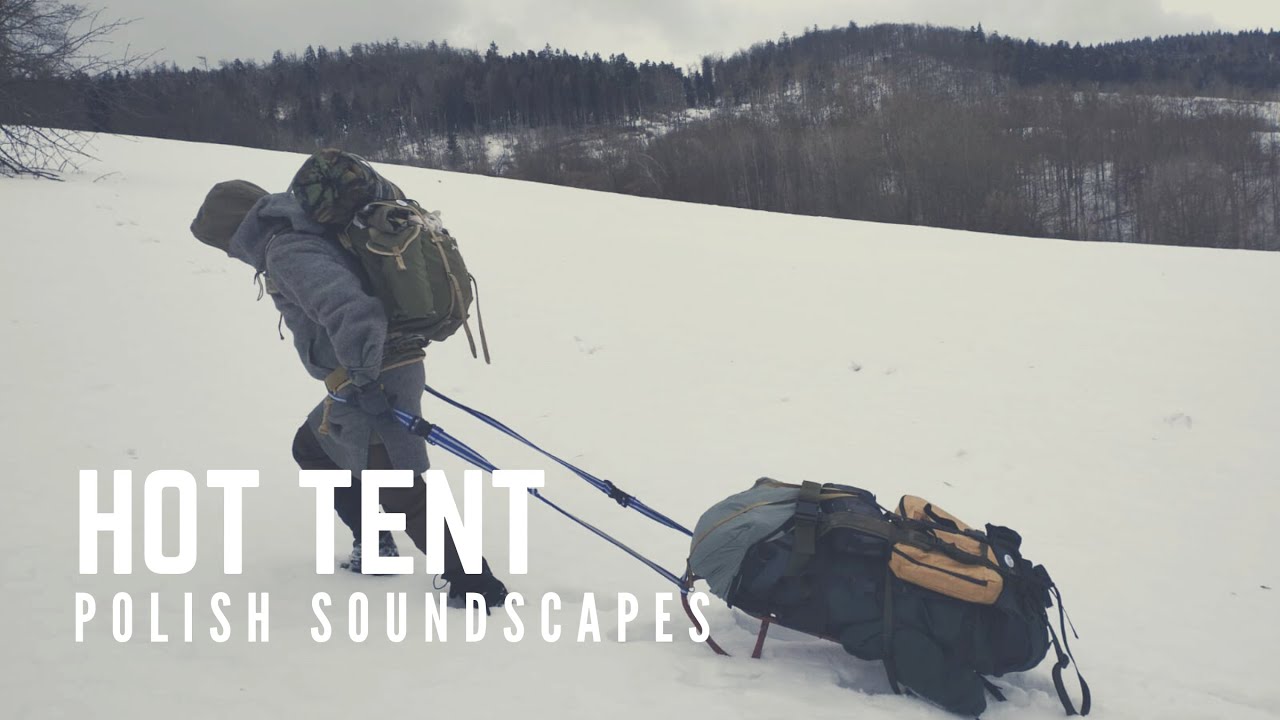
The average temperature during the recordings remained at - 8°C (17,6° F). Preparing the camp in the old style required pulling about 50kg of equipment to the top of the mountain!
Field recording gear:
AT4022 pair in SASS array
Mixpre-3 II
🔔 Subscribe for more recordings: https://www.youtube.com/c/PolishSound...
#fieldrecording #bushcraft #hottent #woodcraft
Повторяем попытку...
Доступные форматы для скачивания:
Скачать видео
-
Информация по загрузке: