ROBERT DELAUNAY
Автор: GalleryThane
Загружено: 2023-11-23
Просмотров: 305
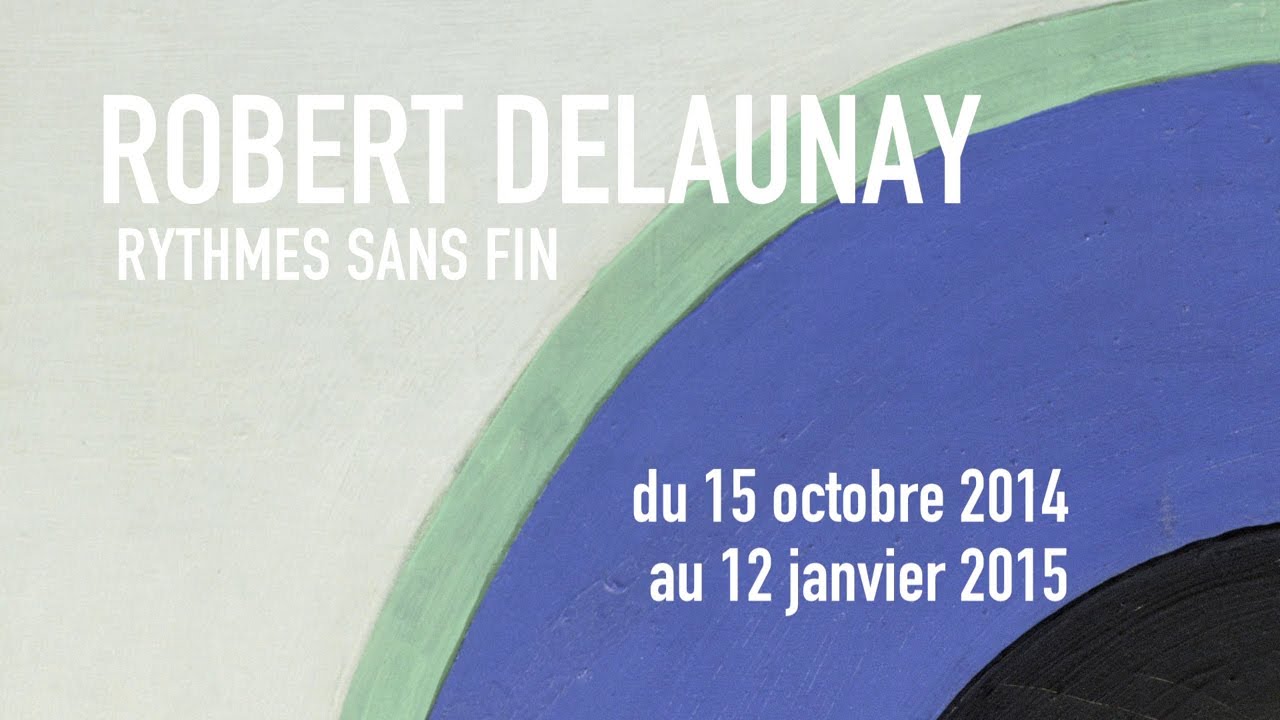
Описание: A curated gllery of the greatest works of Robert Delaunay, the founder of the Orphism art movement. Robert Delaunay's colorful and formally experimental paintings were a unique fusion of early-20th-century European artistic trends. His most famous works centered on the intellectually and visually stimulating world of Belle Époque Paris in which he and his wife, Sonia Delaunay (Terk), founded the Orphism movement. This style was distinguished by faceted compositions, vibrant color, and contemporary subject matter that together conveyed delight in the modern life and its technological innovations. Robert Delaunay's reputation fluctuated throughout his life and after his death, so it is a challenge to map his legacy in modern art history. However, it is without a doubt in the heady pre-World War I days that his influence on other artists and writers was most pronounced. His text 'Note on the Construction of Reality in Pure Painting' (1912) was seen by many critics as fundamental in the evolution of abstract art theory; in one article Apollinaire even credits Delaunay with influencing Picasso's use of light. Whether or not this was entirely accurate, it is certain that during 1912-13 Delaunay was seen by many as occupying a contradictory and equivocal position in relation to Cubism, something which inspired young artists looking for new directions. One such example was the young American, Morgan Russell, who saw the vibrant color harmonies of Delaunay's canvases in 1912. Soon afterwards, Russell founded the Synchronist movement with Stanton McDonald Wright, which expanded on the color theory of Michel Chevreul and Ogden Rood, as Delaunay himself had done. Later however, Russell and Wright denied all connections with Orphism. Similarly contentious was Delaunay's relationship to Futurism. His incorporation of modern architecture into a fragmented, dynamic pictorial space suggests a role in the development of Futurist visual language, particularly evident in Umberto Boccioni's Simultaneous Visions (1912). The Italian artist had in fact visited Paris in 1911 and would have seen Delaunay's Saint Severin and Eiffel Tower series. At the time both movements rejected any comparison but after the artist's death, Fernand Leger was to declare 'It was with Robert Delaunay on our side that we joined the battle' [towards abstraction] (1949). After Delaunay exhibited his work at the first Der Blaue Reiter exhibition, he caused a stir : the blocks of vivid color Klee went on to employ in his Tunisian watercolors (1914) are reminiscent of Delaunay's Windows series, and critic, Theodore Daubler, actually referred to him as the 'first known Expressionist' in 1916. Other commentators point to links with Die Brucke. For Mark Rosenthal, the distorted expressionist forms in Delaunay's Saint Severin can be clearly seen in the art of Lyonel Feininger, Ernst Kirchner's street scenes, and in the film sets for Robert Weine's Cabinet of Dr Caligari (1920).
Повторяем попытку...

Доступные форматы для скачивания:
Скачать видео
-
Информация по загрузке: