Erector Spinae Trigger Points
Автор: NAT Global Campus
Загружено: 2024-08-28
Просмотров: 1852
Описание:
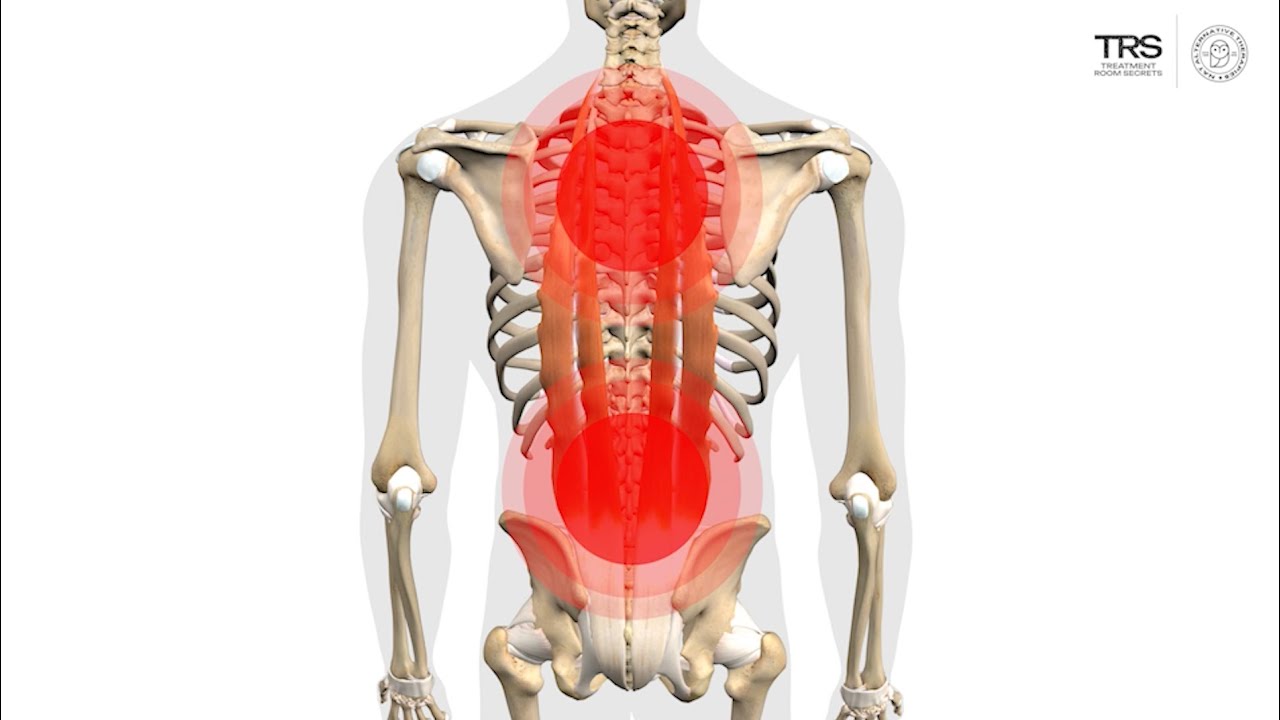
The erector spinae muscles are a group of muscles that run along the length of the spine, from the sacrum at the base of the spine to the skull. This muscle group is primarily responsible for extending the spine, maintaining an upright posture, and aiding in various movements of the back, such as bending and twisting. The erector spinae is composed of three main muscles: the iliocostalis, longissimus, and spinalis, which work together to support the spine's structural integrity and flexibility.
Trigger points in the erector spinae muscles are common and can be a significant source of back pain and discomfort. These trigger points are hyperirritable spots within the muscle fibers that are characterized by the presence of taut bands of tissue. They can become activated due to factors such as poor posture, prolonged periods of sitting or standing, heavy lifting, repetitive motions, or direct trauma to the muscles. When these trigger points are active, they can cause localized pain or refer pain to other areas, often resulting in a dull, aching sensation that can be felt along the spine or radiate into the shoulders, buttocks, or even the legs.
The pain associated with trigger points in the erector spinae can significantly impact daily activities, as these muscles are constantly engaged in maintaining posture and supporting movements of the upper body. Individuals with trigger points in the erector spinae may experience difficulty with tasks that involve bending, lifting, or standing for extended periods. Additionally, the presence of trigger points can lead to muscle stiffness, reduced range of motion, and a general feeling of tightness in the back.
Trigger point therapy for the erector spinae muscles involves techniques aimed at deactivating the trigger points and restoring normal muscle function. Common methods include manual pressure applied directly to the trigger point, stretching exercises to lengthen the affected muscles, and techniques such as dry needling or the use of a massage ball or foam roller to apply targeted pressure. Heat therapy and postural correction can also play a role in managing and preventing trigger points by helping to relax the muscles and reduce strain on the spine.
Effective management of trigger points in the erector spinae muscles requires a comprehensive approach that addresses the underlying causes, such as poor posture or repetitive strain, while also focusing on relieving the pain and restoring muscle function. Regular self-care, including maintaining good posture, performing back-strengthening exercises, and incorporating stretching into your routine, can help prevent the recurrence of trigger points and maintain the health of the erector spinae muscles.
Healing Through Trigger Points - Online Certification Course:
https://nielasher.com/products/copy-o...
Повторяем попытку...
Доступные форматы для скачивания:
Скачать видео
-
Информация по загрузке: