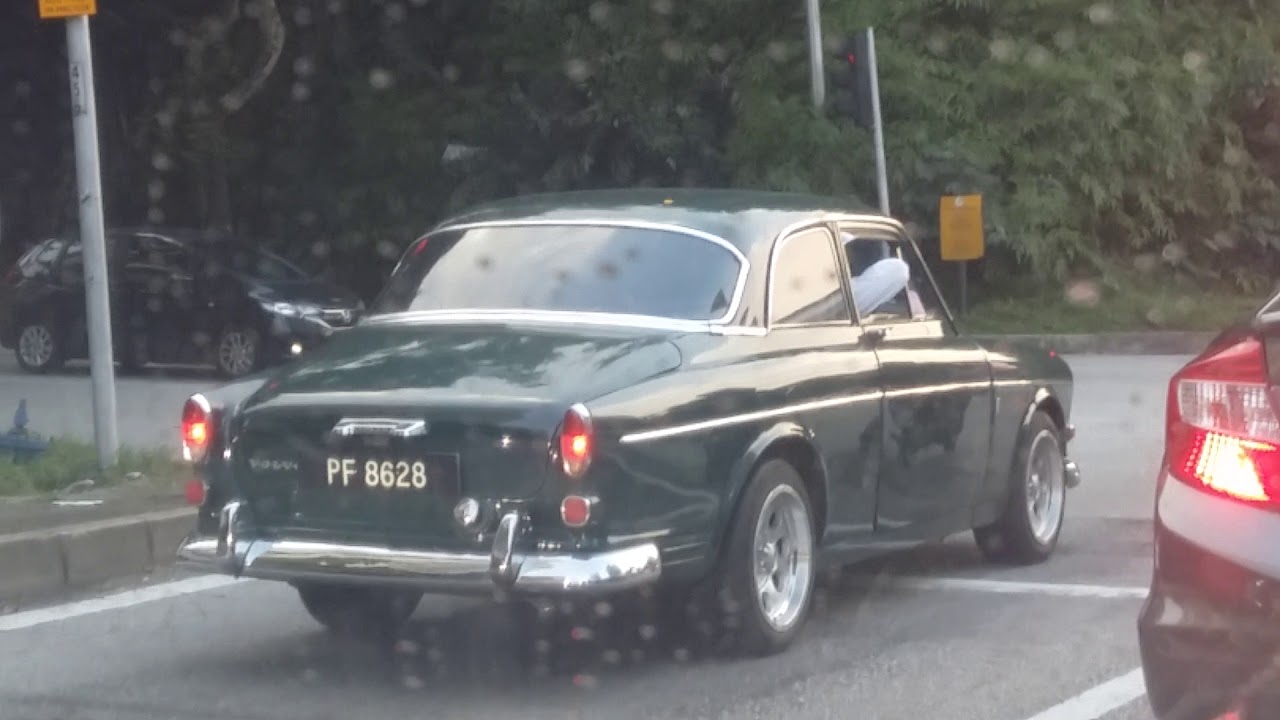
Volvo Amazon B20 1970
Автор: Bosnan News
Загружено: 2020-08-01
Просмотров: 750
Описание:
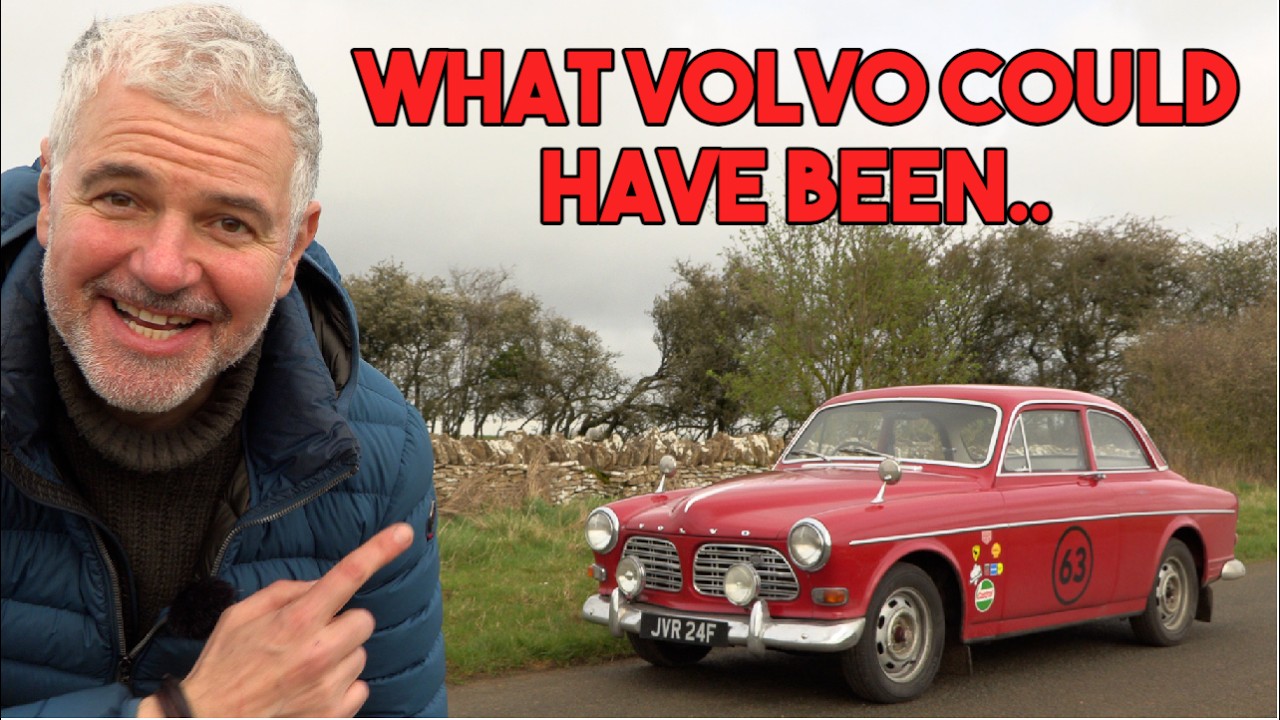
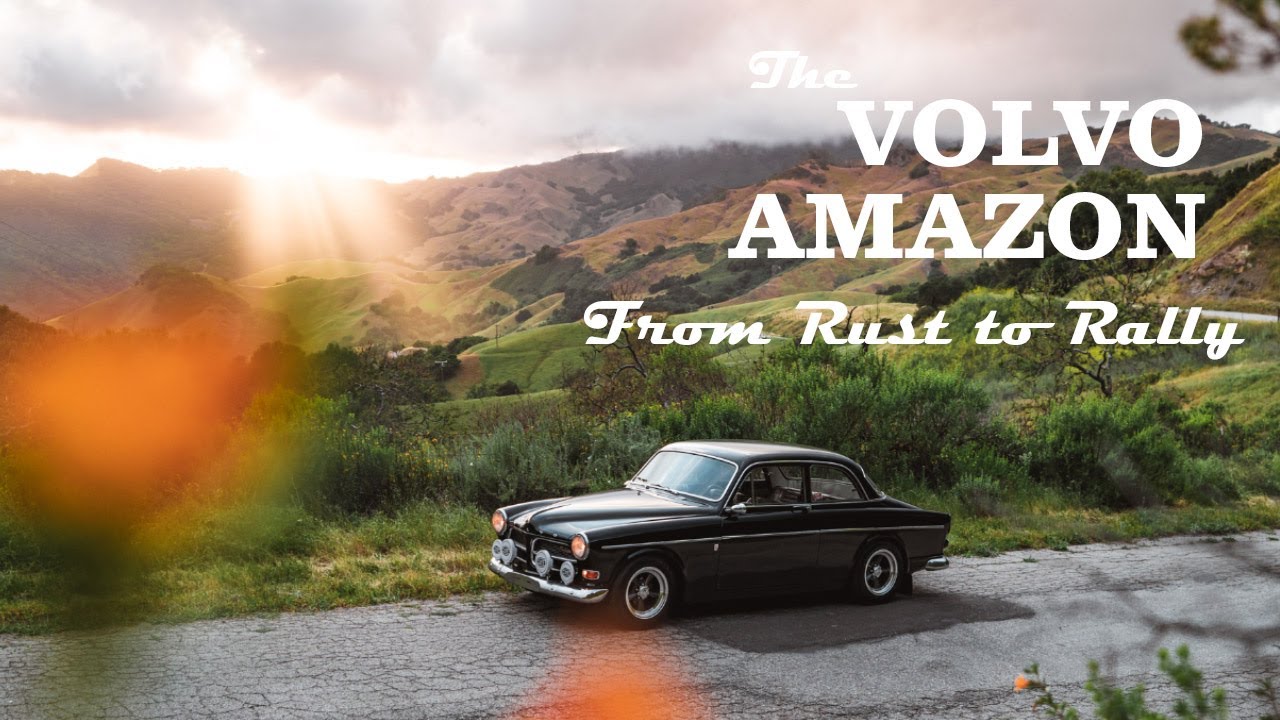
The Volvo Amazon was a mid-sized car manufactured and marketed by Volvo Cars from 1956 to 1970[7] and introduced in the United States as the 122S at the 1959 New York International Auto Show.[8]
The Amazon shared the wheelbase, tall posture and high H-point seating of its predecessor, the PV444/544, and was offered in two-door sedan, four-door sedan, and five-door wagon body styles. In 1959 Volvo became the world's first manufacturer to provide front seat belts as standard equipment — by providing them on all Amazon models,[8] including the export models[8] — and later becoming the first car featuring three-point seat belts as standard equipment.
When introduced, the car was named the Amason (with an 's'),[7] deriving from the fierce female warriors of Greek mythology, the Amazons. German motorcycle manufacturer Kreidler had already registered the name, and the two companies agreed that Volvo could only use the name domestically (i.e., within Sweden), modifying the spelling to Amazon.[7] Subsequently, Volvo began its tri-digit nomenclature and the line became known as the 120 Series.[7]
The Amazon was originally manufactured at Volvo's Lundby plant in Gothenburg and subsequently at the company's Torslandaverken plant,[9] which began operating in 1964. By the end of production, 234,653 four-door models, 359,917 two-door models and 73,220 station wagons had been produced, of which 60% were exported;[8] for a total of 667,791 vehicles.
Styling and design
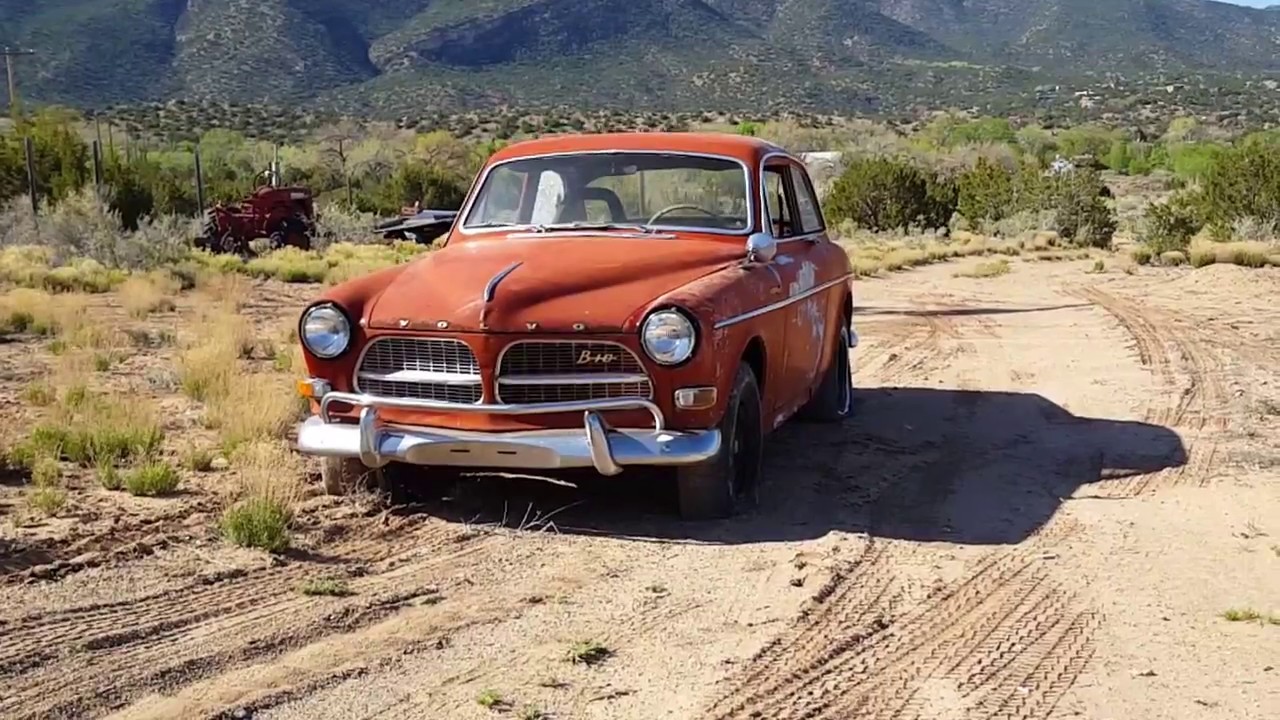
The Amazon sedan's ponton genre, three-box styling was inspired by US cars of the early 1950s, strongly resembling the Chrysler New Yorker sedan and the Chrysler 300C hardtop Coupe. According to designer Jan Wilsgaard, the Amazon's styling was inspired by a Kaiser he saw at the Gothenburg harbour.[10]
The Amazon featured strong articulation front to rear, pronounced "shoulders", and slight but visible tailfins. These features became inspiration for Peter Horbury when reconceiving Volvo's design direction with the V70 after decades of rectilinear, slab-sided, boxy designs.[11]
The Amazon's bodywork was constructed of phosphate-treated steel (to improve paint adhesion) and with heavy use of undercoating and anti-corrosive oil treatment.[12]
Station wagon
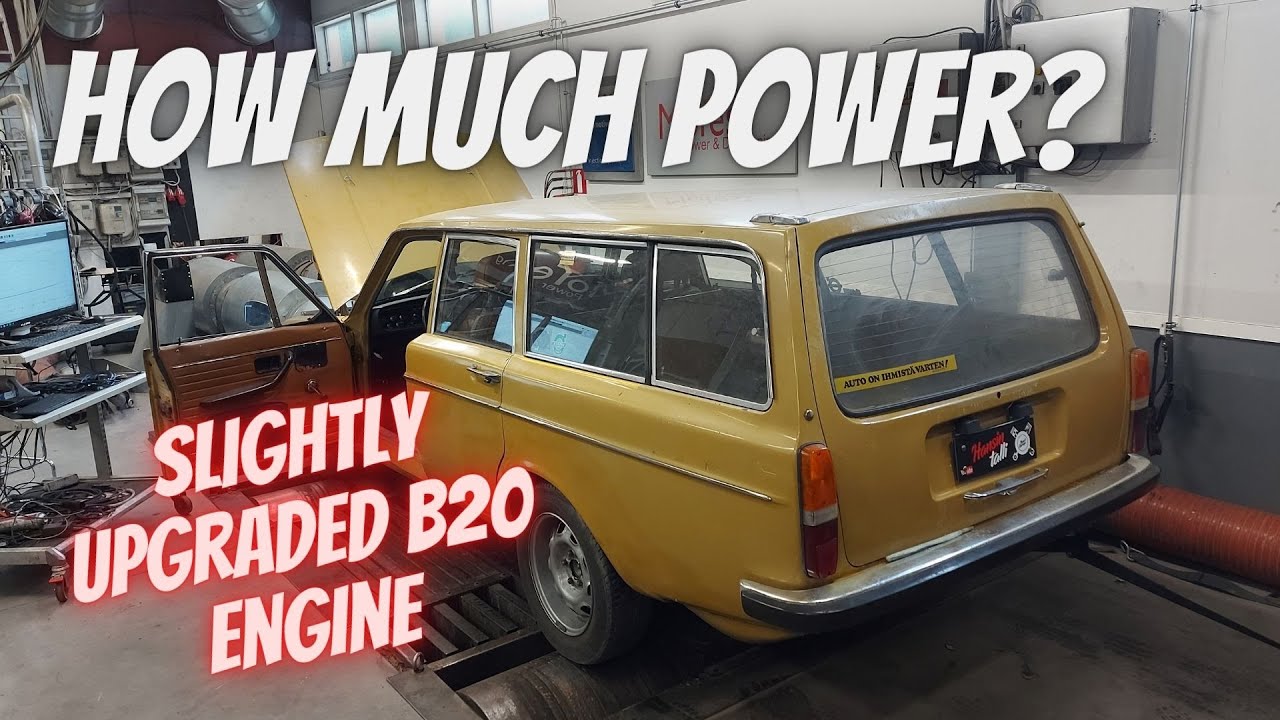
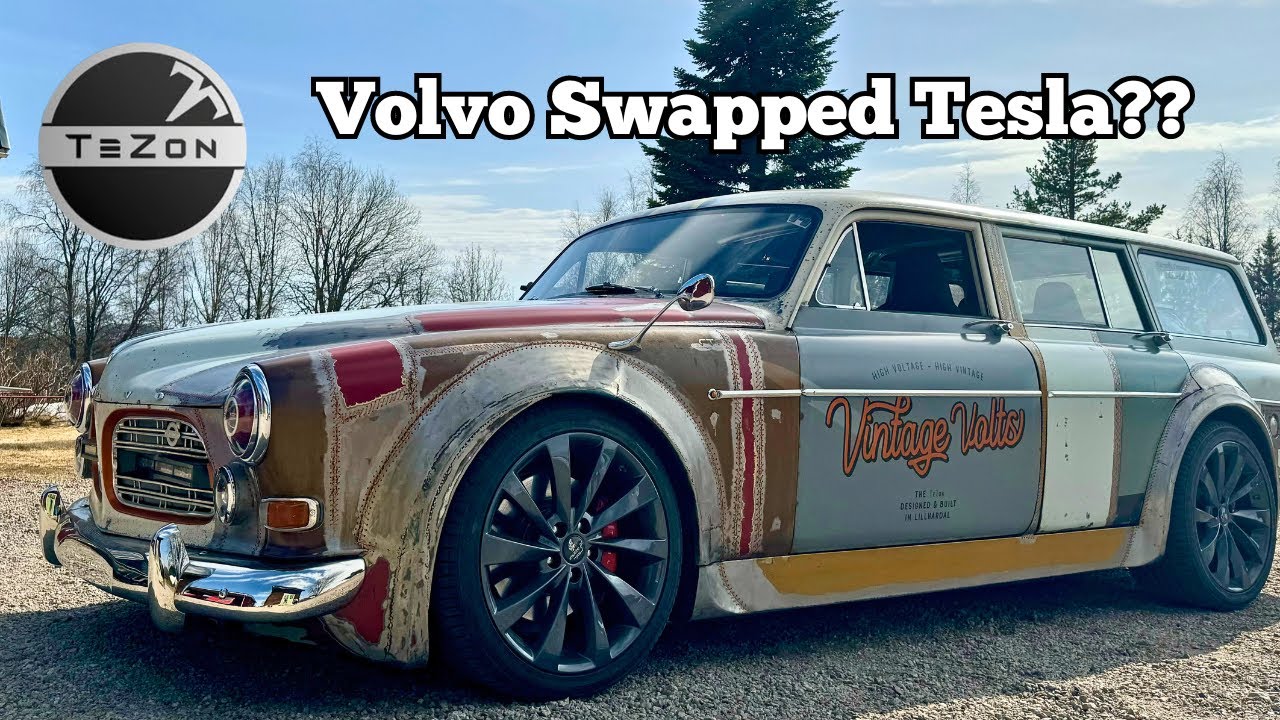
The station wagon (estate) version was introduced at the 1962 Stockholm Auto Show, and Volvo manufactured 73,000 examples between 1962 and 1969.[13] The Amazon estate featured a two-piece tailgate, with the lower section folding down to provide a load surface and the upper section that hinged overhead. The vehicle's rear license plate, attached to the lower tailgate, could fold "up" such that when the tailgate was lowered and the vehicle in use, the license plate was still visible. This idea was used by the original 1959 Mini. In recent years a similar arrangement was used on the tailgate of the Subaru Baja.
The Amazon platform was used as the basis for the P1800 and 1800ES.[14]
History
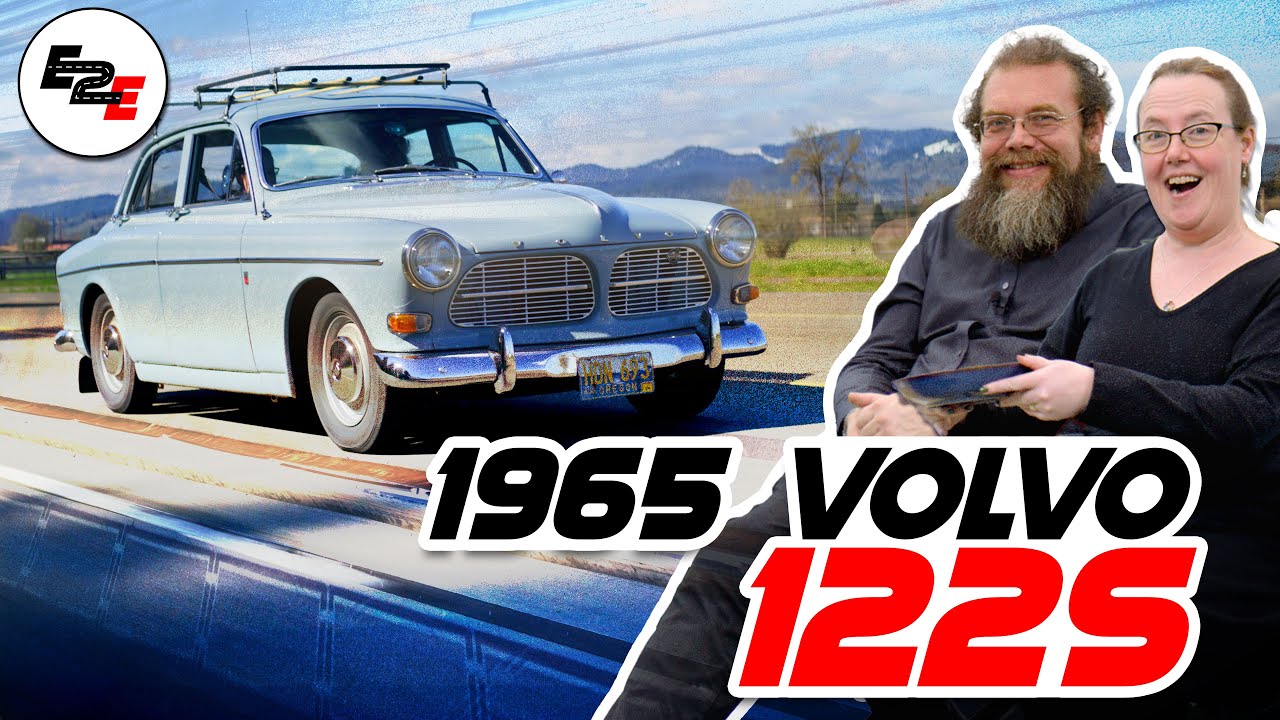
Under prototype designation 1200, following the PV444's internal designation as the 1100,[8] the Amazon was released in the press in February 1956, with production initially set to begin in July of the same year, and deliveries commenced in August 1956 — under the now modified internal designation 120 series. Further iterations included the 121, the base model with a single carburetor 66 bhp (49 kW) engine, the 122S introduced in 1958 as a performance model equipped with a dual carburetor 85 bhp (63 kW) engine. The Amazon's handbrake location, outboard of the driver's seat, was intended to accommodate subsequent bench seat models with column shift transmissions- these were produced in small numbers and made available to certain export markets. Buyers began to receive the first cars in February 1957,[8] and initial models were two-tone red and black with light gray roof, light grey with a black roof, followed by a dark blue with gray roof in 1958.[8]
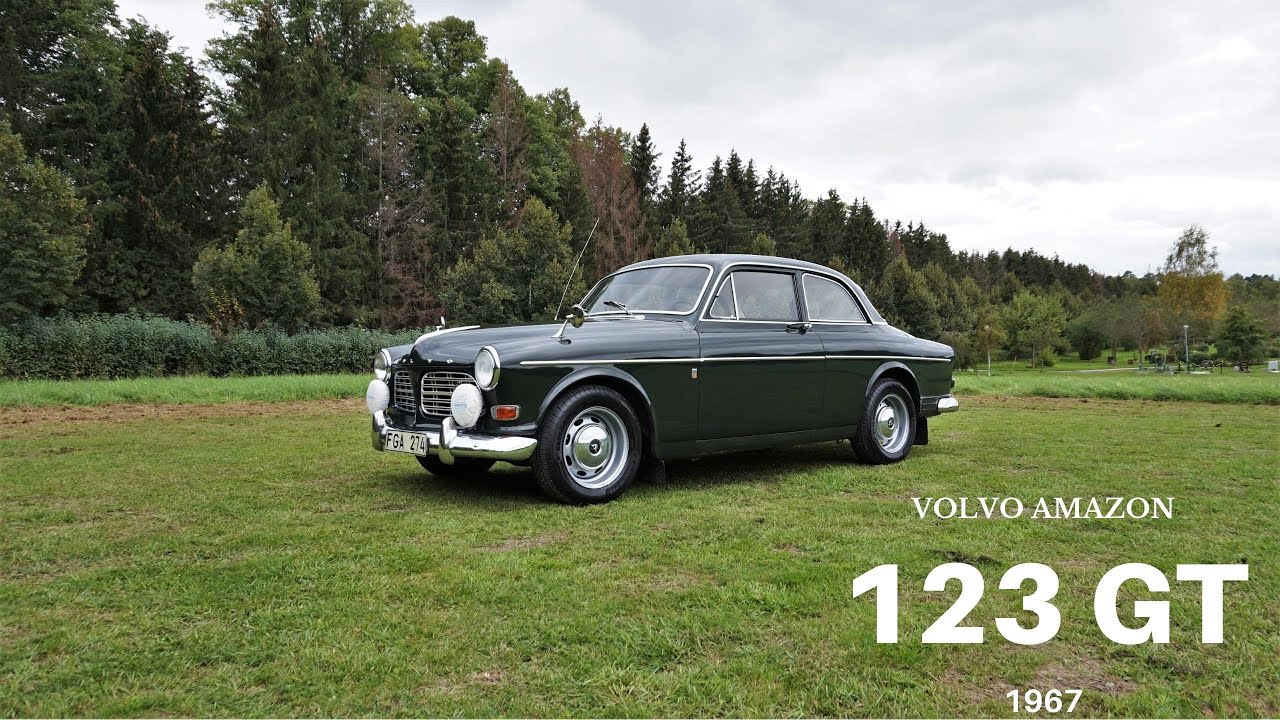
In 1966 the Volvo PV ended production, replaced by the Amazon Favorit, a less expensive version of the Amazon, without exterior chrome trim, a passenger-side sunshield or cigarette lighter, and with a three-speed rather than four-speed transmission — available in black with red interior and later white or black with red interior.[8] The newer Volvo 140 was becoming the company's mainstream model, and the last of the four-door 120 saloons were produced in 1967.[15] In 1967 came the 123GT, which was a Model 130 with high-compression four-cylinder B18B engine (from the Volvo P1800), M41 gearbox, fully reclining seats, front fog and driving lights (on some markets), alternator, fender mounted mirrors, special steering wheel, dash with a shelf and tachometer, and other cosmetic upgrades. In 1969 the displacement of the old B18 engine was increased and the engine was called the B20.
The last Amazon was manufactured on 3 July 1970.
Повторяем попытку...
Доступные форматы для скачивания:
Скачать видео
-
Информация по загрузке: