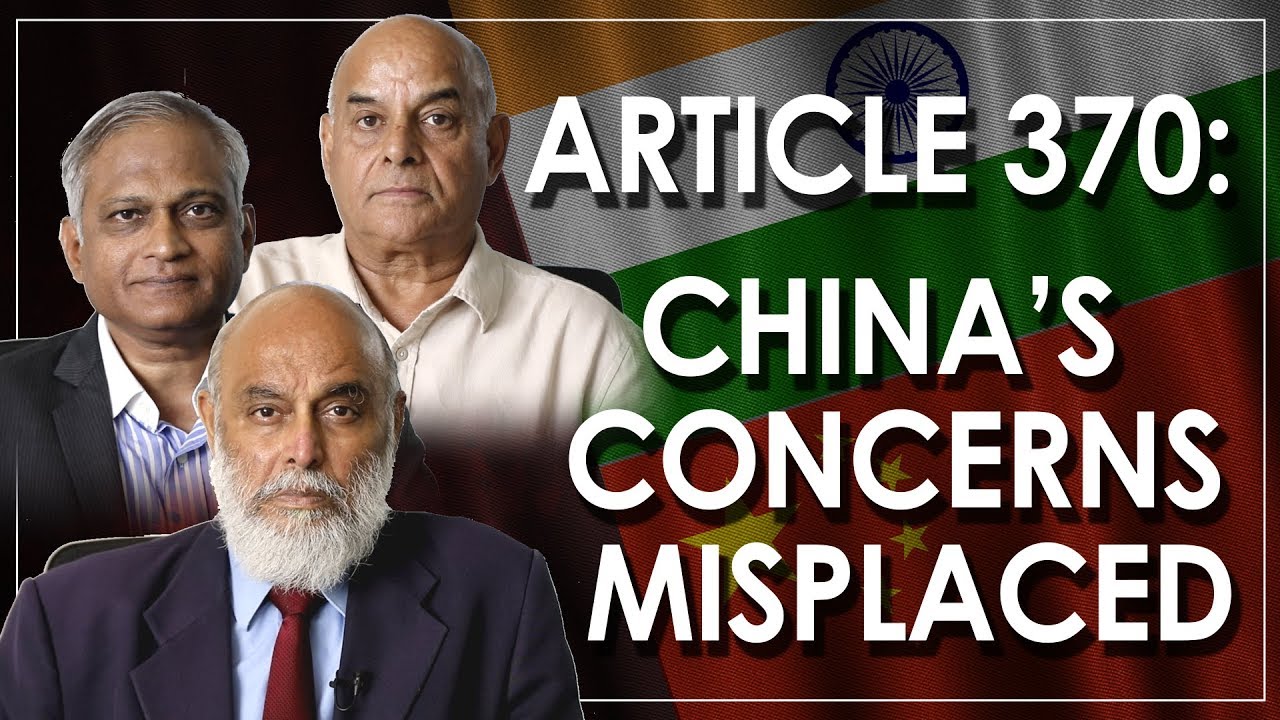
CHINA’S CONCERNS OVER ARTICLE 370: FOCUS LADAKH AND AKSAI CHIN, FOREIGN MINISTRY
Автор: SECURITY RISKS ASIA
Загружено: 2019-09-22
Просмотров: 389
Описание:
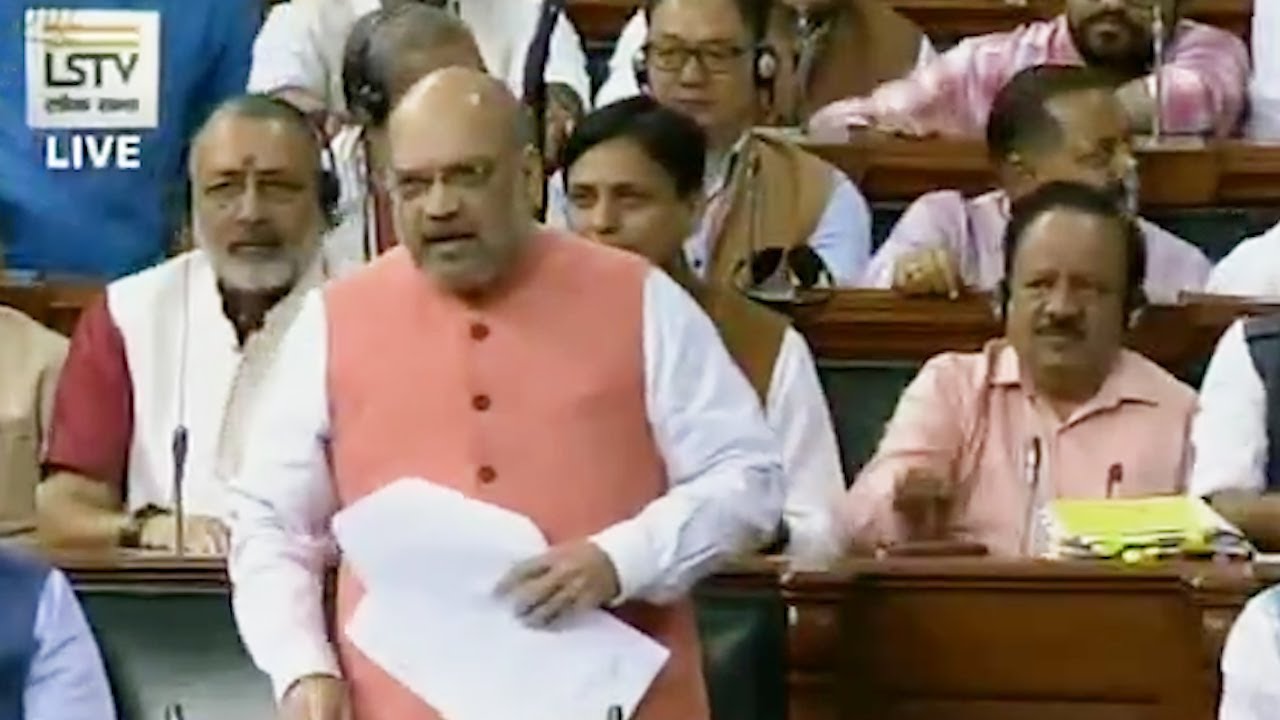
The Parliament of India – Lok as well as Rajya Sabha approved repealing of Article 370 of the Constitution which was a Temporary provision for Jammu and Kashmir and passed an Act for bifurcation of the State into two Union Territories – Jammu and Kashmir and Ladakh respectively.
China came come out with two strongly worded statements particularly after the grant of UT status to Ladakh and repealing of Article 370 by the Indian Parliament.
Chinese statement was in opposing what it called India's inclusion of the Chinese territory in the western sector of the China-India boundary into its administrative jurisdiction by unilaterally changing its domestic law. Such practice is unacceptable and will not come into force says the Chinese statement.
China Foreign Ministry Spokesperson Hua Chunying's Remarks on the Indian Government's Announcement of the Establishment of the Ladakh Union Territory Which Involves Chinese Territory on 06 October were to a question that Indian government announced Ladakh as Union Territory, where there is the western sector of the China-India boundary. He replied that “China is always opposed to India's inclusion of the Chinese territory in the western sector of the China-India boundary into its administrative jurisdiction. This firm and consistent position remains unchanged. Recently India has continued to undermine China's territorial sovereignty by unilaterally changing its domestic law. Such practice is unacceptable and will not come into force. We urge India to exercise prudence in words and deeds concerning the boundary question, strictly abide by relevant agreements concluded between the two sides and avoid taking any move that may further complicate the boundary question”.
In another question on the same day the Spokesperson said this time with reference to cross border shelling on the Line of Control in Jammu and Kashmir that “China's position on the Kashmir issue is clear and consistent. It is also an international consensus that the Kashmir issue is an issue left from the past between India and Pakistan. The relevant sides need to exercise restraint and act prudently. In particular, they should refrain from taking actions that will unilaterally change the status quo and escalate tensions. We call on both India and Pakistan to peacefully resolve the relevant disputes through dialogue and consultation and safeguard peace and stability in the region”.
https://www.security-risks.com/securi...
From the above it is evident that the Chinese response was mainly related to the fear of change in the status of Ladakh given that Aksai Chin and the Shaksgam Plateau an area that has been ceded by Pakistan to China now fall in the Union Territory. This was anticipated as there were fears of impact on the ongoing boundary dispute with India with reference to the Western sector that is Ladakh. Possible impact on the Gilgit Baltistan and thus China Pakistan Economic Corridor in the future would also have been envisaged. Finally expressing solidarity with, “all weather,” friend Pakistan was another motive that can be assessed.
Повторяем попытку...
Доступные форматы для скачивания:
Скачать видео
-
Информация по загрузке: