Farmer concerned over impacts of tariffs introduced by President Trump
Автор: Iola Register
Загружено: 2025-04-05
Просмотров: 308
Описание:
Heading into this year, most U.S. farmers were hoping to break even or maybe record a small profit if they could find a way to limit their sky-high costs, but now they're faced with losing the biggest export market for many of their crops after China retaliated against President Donald Trump's tariffs, and more countries could follow suit.
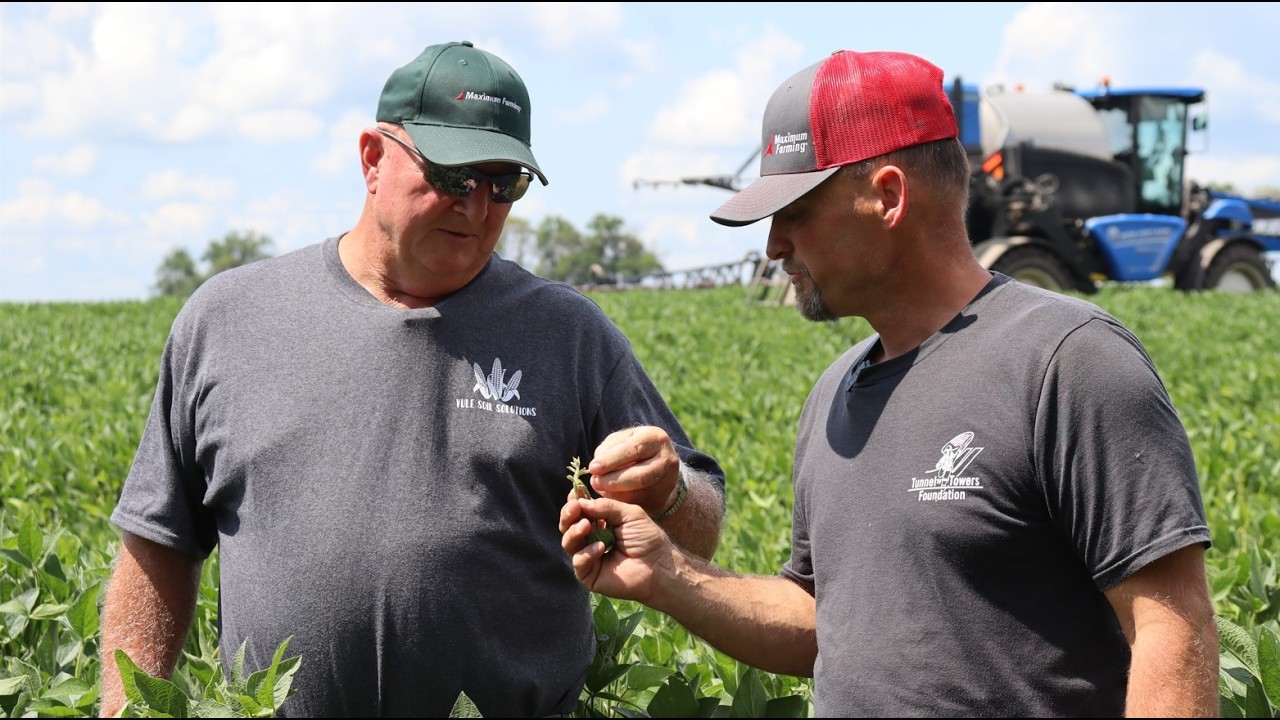
“There's just not any margin for error in the current farm economy,” said Kentucky farmer Caleb Ragland, who serves as president of the American Soybean Association.
Soybean farmers have particular reason to worry because half their crop is exported, and China has long been the biggest buyer. But China has also bought a lot of American corn, beef, chicken, sorghum and other crops as part of spending $24.65 billion on U.S. agricultural products last year. And now with China slapping 34% tariffs on all American products Friday — on top of tariffs it imposed earlier this year — all those things will be significantly more expensive in China.
Crop prices — much like the stock market — dropped after Trump announced his tariffs earlier this week. Tim Dufault, whose farm is in northwest Minnesota only about 80 miles south of Canada, said in a good year soybean farmers might make $50 to $75 an acre, but this isn't a good year because crop prices aren't high enough to cover the soaring costs and the price drop in the past two days cost them about $25 an acre.
Dufault said he's worried that these new tariffs might put many farmers out of business including the young farmers he rented his land to heading into this year as he retired because they likely won't make anything in 2025.
“I just I hope to God they can stay in business,” said Dufault, who's active with the Farmers for Free Trade group that pushes for open markets.
One of the biggest long-term concerns is that American farmers and ranchers will lose market share as China turns to Brazil and other countries to buy the soybeans, beef, chicken and other crops it consumes. China will still buy sorghum because it is distilled into the drink baijiu that's as popular there as whiskey is in the United States, but they'll get it from other countries.
Farmers endured Trump's previous trade war with China during his first term, but this time Trump's tariffs extend around the globe so China likely won't be the last country to retaliate with tariffs of its own. The only way most farmers survived Trump's last trade war was with tens of billions of government aid payments, but it's not clear if he will do that this time. He gave them more than $22 billion in aid payments in 2019 and nearly $46 billion in 2020, though that year also included aid related to the pandemic.
Farmer Bryant Kagay, part owner of Kagay farms in Amity, Missouri, said “if you give everybody a bunch of money, all that really does is just cause inflation. And here we are finally starting to see inflation ease and now we have these potential government payments or just the added cost from imports due to tariffs that are gonna make inflation just continue.”
Agriculture Secretary Brooke Rollins told Fox News this week that right now she doesn't believe massive aid payments will be necessary although she won't know that for several months. "But if it is, then this President has always said and he is resolute in his commitment to our farmers and our ranchers and our great rural communities in America, so we will we’ll make sure we’re ready if in fact that is necessary,” she said.
“But none of us like that,” said farmer Andy Hineman, who is vice president of the Kansas Sorghum Producers Association. “We don’t want to live on government handouts. We’d rather sell the crops we grow.”
“I think it's still a little uncertain of exactly how that's all gonna shake out, but I think initially the markets are not responding favorably to those tariffs.” Kagay said. “I'm more worried about what it's gonna do for some of the other stuff that we will purchase throughout the year, whether that's equipment, equipment parts, chemicals in the future, fertilizer prices, how it's going to impact things going forward.”
The hope for farmers is that Trump’s tariffs will lead to negotiations with other countries that will lower tariffs and other trade barriers.
“That’s the type of positive development that we can do that’s good for everybody involved, and that’s what we need to look for,” Ragland said. “Instead of beating each other up with higher and higher tariffs — it’s just like punching each other in the face. We’re not going to gain anything from it. It’s just going to cause us to hurt. That would be my encouragement to the administration, is to look for opportunities and get some great deals done proactively.”
VIDEO: ASSOCIATED PRESS
Повторяем попытку...

Доступные форматы для скачивания:
Скачать видео
-
Информация по загрузке: