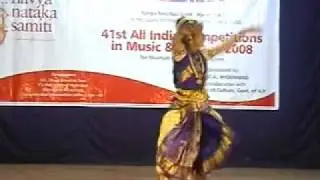
Varnas - Nee Manamirangi
Автор: Arunthathy Sri Ranganathan
Загружено: 2016-05-18
Просмотров: 15584
Описание:
Aru Sri Art Theatre Proudly presents
SAMPRATHAYAM
An Exquisite Repertoire of traditional dance from Temple to theatre
Produced and directed by Kalasuri Dr Arunthathy Sri Ranganathan
At Sree Manicka Vinayagar Kalaiarangam Colombo 4
30th october 2015 at 7pm
Samprathayam is a belief or behavior transmitted down from generation to generations with symbolic meaning or special significance with origins in the past. Samprathayam can persist and evolve for thousands of years. In the performance of traditional genres [such as traditional dance], adherence to guidelines that dedicate how an art form should be composed are given greater importance than the performer’s own preferences.
Traditional temple dances such as Sadir, denotes a religious performance held in temples. Traces of these ancient temple dances are seen in Bharathanatyam and Odissi. In ancient India there were no dedicated auditorium halls or theatres and dance was usually a functional activity dedicated to worship. Dance was performed on a regular basis before deities as a form of worship.
Bharathanatyam ,as a classical dance dating back to 1000 BC, is practiced predominantly in theatres in the modern times. The dance is usually accompanied by Carnatic music the inspiration of which comes from the sculptures of the ancient temples. It was codified and documented as a performing art in the 19th century by four brothers known as the Tanjore Quartet whose musical compositions for dance formed the repertoire even today as a theatre art form.
Temple dance was performed by Devadasis. Devadasis are dedicated to temple and God’s services. They developed the system of music and dance employed during temple festivals such as Sathir, Melaprapthi, Mallari.Thevaram etc. Bharathanatyam evolved out of Temple dance.
Evolution of Bharathanatyam from temple dance came in during the 10th century where the dance was reformed by the Tanjore brothers. They codified the dance through their music compositions which accompany the present day repertoire. It was they who gave the temple dance it’s new name. Late E Krishna Iyer, Rukmanidevi Arundale reformed the art in to it’s present state.
With our salutations to these legends we present this Margam named Samprathayam, the reformed traditional dance compositions from temple to theatre.
www.arunthathy.com
Повторяем попытку...

Доступные форматы для скачивания:
Скачать видео
-
Информация по загрузке: