Why is Emotional Intelligence Important at Work?
Автор: BusinessPsychologyHub
Загружено: 2016-11-02
Просмотров: 43728
Описание:
This Video outlines why emotional intelligence is important at work
MUSIC CREDITS
Song Title - "The Darkness"
BY - MK2
Created Using: YouTube Editor (Free Music).
Why is emotional intelligence an advantage in the workplace?
Welcome back to the business psychology channel. This video will examine the advantages of emotional intelligence in the workplace.
Humans did not evolve in be successful in modern workplace environments. Human cognition, emotions and behaviour evolved to overcome hunter-gather problems such as how to hunt, forage, attract a mate and politically operate in a small tribal society.
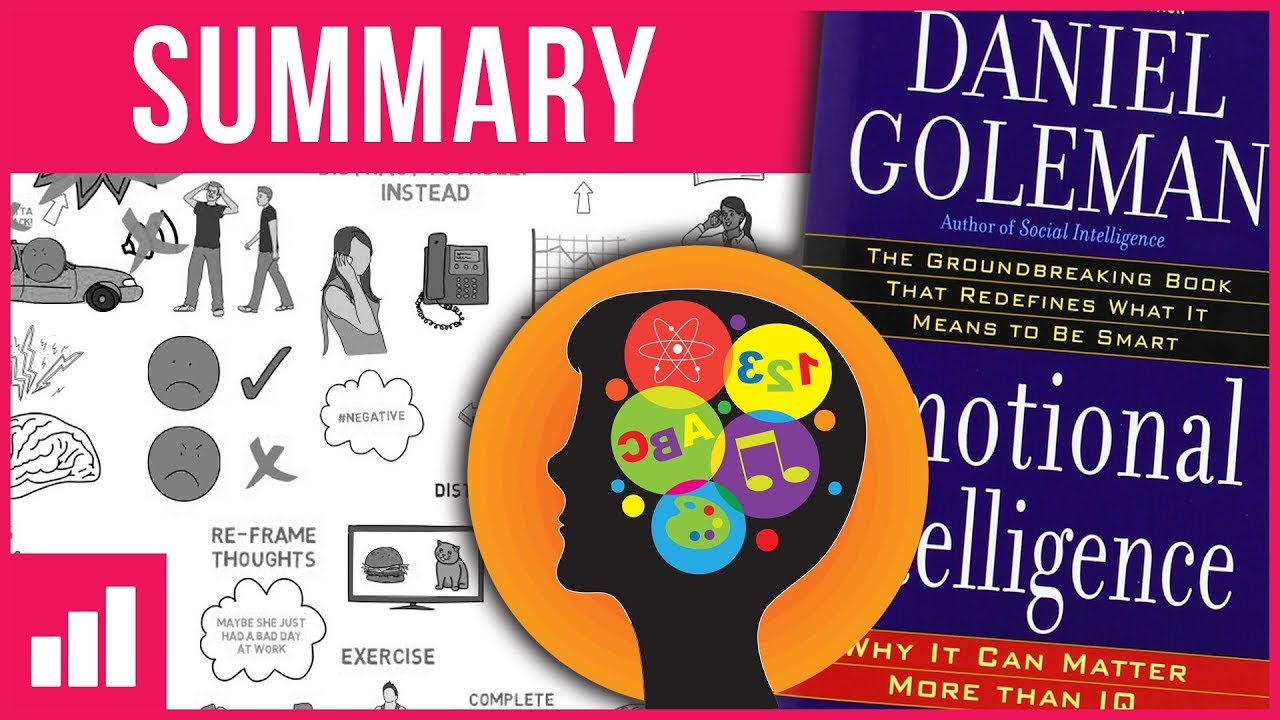
Psychologist Mark van Vugt argues that our humans instincts have not evolve so that people can comfortaby operate in large and impersonal bureaucratic structures. When working in a modern day workplace many employees feel dissatisfied, frustrated and alienated. A key skill that can lead to both workplace effectiveness and satisfaction is “emotional intelligence”. Popular author Dan Goldman suggest there are Five Emotional Intelligence Skills that are of great value in the workplace. These skills are:
ϖ Self-awareness
ϖ Self-regulation
ϖ Motivation
ϖ Empathy, and
ϖ Social skills.
Self awareness is an emotional intelligence skill
• Self awareness involves knowing ones strength and weaknesses. When we are self aware we are able to realistically assess ourselves. Being open to constructive criticism is a sign of self-confidence and gives us the advantage of being able to learn and improve everyday.
• Self awareness involves knowing our underlying values. That allows us to be consistent in our action and to be guided by higher principles, which over time often leads to greater levels of respect .
• Self-awareness involves knowing the impact we have on others. For example, a self-aware person has an insight into why ones boss may be always angry and be able to become a calming influence.
Self-regulation is an emotional intelligence skill
• Self regulation involves being able to control our biological impulses and moods. For example, if someone does someone to make us angry, a person with self-regulation can step back and try to understand why they are getting angry rather than allowing the feeling of anger to lead to an aggressive act. Someone who can regulate their mood is more likely to build and keep good relationships in the workplace.
Motivation is an emotional intelligence skill
• Motivation involves having a passion for work, and the desire to raise the performance bar and achieve beyond expectations. When we are motivated we have extra energy we are able to achieve more in the workplace
Empathy is an emotional intelligence skill
• Empathy involves understanding other peoples emotional make up. Empathy is associated with listening to what others have to say and putting yourself in their shoes. Long term working relationships are strengthened by empathy
• Managers and organisational leaders who demonstrate empathy are often also successful in retain talented employees.
Social Skills is an emotional intelligence skill
• Social skills involves building rapport with people to move them in a desired direction
• People with social skills are able to find common ground and build emotional bonds with others
• An individual who has social skills is able to successful network through building positive rapport with new and existing contacts.
• A person with social skills is also associated with being persuasive. Therefore social skills are an key trait of being an effective leader
REFERENCES
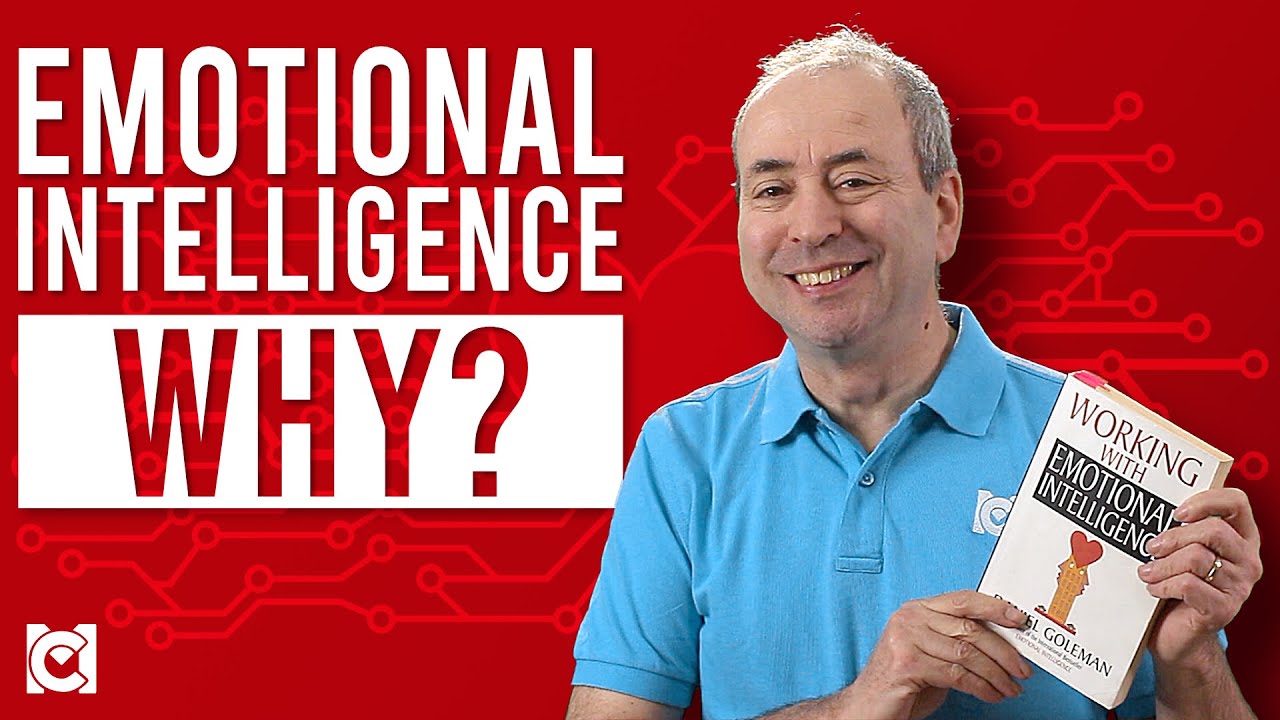
Goleman, D. (1998). Working With Emotional Intelligence. New York, NY. Bantum Books.
Goleman, Daniel (1996). Emotional Intelligence: Why It Can Matter More Than IQ. Bantam Books.
Van Vugt, M., Snyder, M., Tyler, T., & Biel, A. (Eds.). (2000). Cooperation in modern society: Promoting the welfare of communities, states, and organizations. London: Routledge.
Van Vugt, M., & Ronay, R. D. (2014).The Evolutionary Psychology of Leadership: Theory, Review, and Roadmap. Organizational Psychology Review, 4, 74-95.
Повторяем попытку...

Доступные форматы для скачивания:
Скачать видео
-
Информация по загрузке: