A No Limit Lincoln and $70,000 of Credit Card Debt
Автор: Michael Chipman
Загружено: 2026-01-30
Просмотров: 13303
Описание:
Bad car loans, negative equity, credit card debt, personal finance mistakes, and payment-focused thinking all collide in this breakdown of a “no limit” car purchase and $70,000 of credit card debt. This video examines bad car loans, auto financing traps, negative equity, car payments, credit card interest, and why focusing on monthly payments instead of total cost leads to long-term financial damage.
Bad car loans, negative equity, car payments, auto loans, credit card debt, interest, budgeting mistakes, payment-focused decisions, and personal finance discipline appear repeatedly in real situations that show how people stay stuck even while making payments. These examples highlight why understanding total cost matters more than approval, and why patience and discipline outperform urgency in financial decisions.
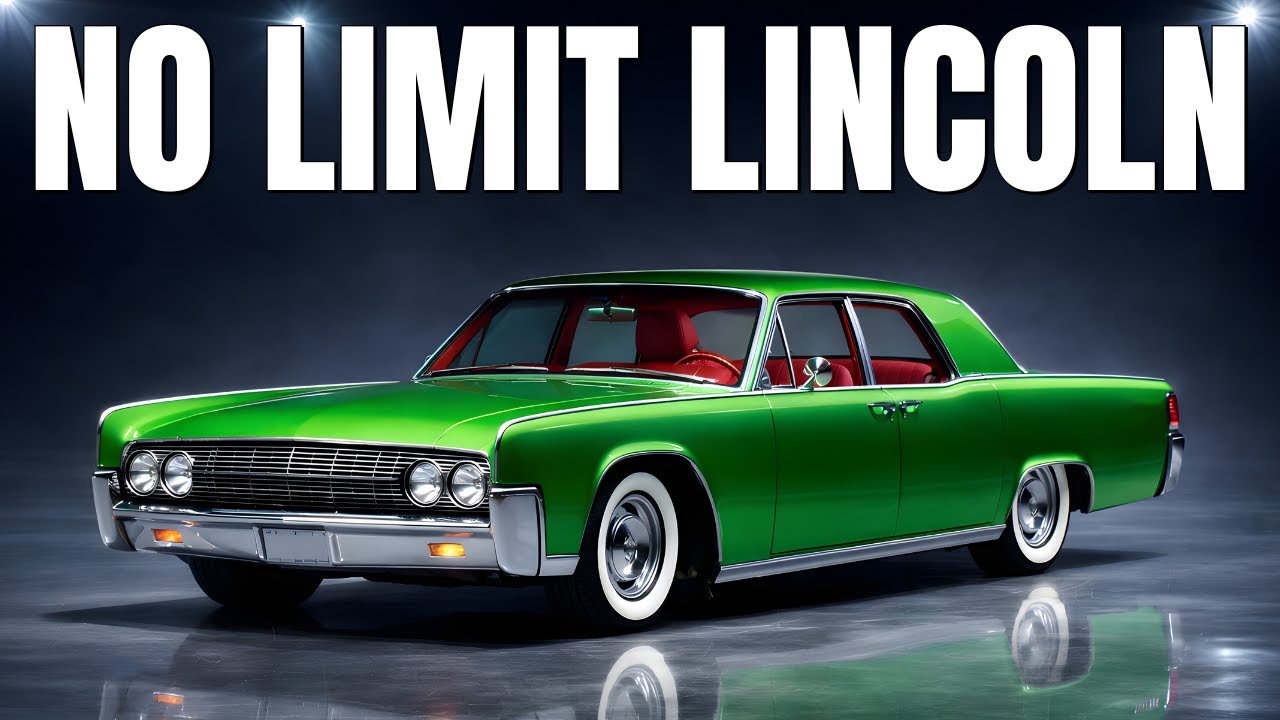
In this video, we compare two very different money situations that reveal the same underlying problem. One person is shopping for a 1963 Lincoln Continental with no budget after selling a business. He is not buying out of need or pressure, but because he earned the option to wait. The other situation involves more than $70,000 of credit card debt and an attempt to manage payments through daily micro-payments tied to TikTok engagement. Both cases show how perception, discipline, and spending habits shape outcomes.
We break down how bad car loans are sold by anchoring buyers on monthly payments instead of total cost. You’ll see how negative equity gets rolled forward, split across multiple vehicles, and hidden inside new loans that feel manageable in the moment. Trading in a paid-off car alongside a vehicle with negative equity often turns one problem into two loans, more risk, and less flexibility — even when the combined payment barely changes.
This video also explains why extremely tight budgets make car payments dangerous. When a $100 difference determines repossession, the budget has no margin. We discuss why keeping a cheap paid-off car is sometimes the smartest financial decision, and why adding a payment before the budget stabilizes increases risk instead of improving reliability. Owning a car outright creates flexibility that payments remove.
We also cover how payment-focused decision making hides real costs over time. Even small increases in monthly payments can mask thousands of dollars in additional interest and depreciation. This is how auto financing traps work, and why dealership conversations that focus only on payments often lead to bad car loans and long-term stress.
On the credit card side, we explain how interest actually works and why balances often fail to move even when payments are being made. Making payments without paying the full statement balance allows interest to erase progress. Micro-payments, gimmicks, and engagement-based systems do not fix large balances. Control, consistency, and boring discipline do. Credit card interest does not pause for motivation, algorithms, or effort.
If you’re dealing with bad car loans, negative equity, auto financing pressure, tight budgets, or credit card debt, this video shows how these situations really play out. The goal is to focus on total cost, margin, and discipline — not shortcuts, not appearances, and not payment math that hides reality. This is personal finance explained without hype, sales tactics, or influencer shortcuts.
Personal finance is ultimately about margin, control, and understanding how money actually behaves over time. Budgeting, debt management, and long-term planning matter far more than short-term wins or temporary motivation. Whether it’s credit card debt, auto loans, or everyday spending, the same rules apply: income must outpace expenses, interest must be respected, and decisions must be made with the full cost in mind.
Many personal finance problems come from focusing on payments instead of balances, approvals instead of affordability, and lifestyle instead of stability. Credit card debt grows fastest when interest is ignored, and car loans become dangerous when budgets are stretched too thin. Building financial stability requires boring habits: tracking spending, paying down high-interest debt, avoiding unnecessary financing, and maintaining emergency margin.
Chapters:
00:00 No Budget Lincoln Purchase
01:01 Buying a Car Without Pressure
01:57 Discipline and Patience With Money
02:09 Tight Budgets and Repo Risk
03:52 Using a Paid-Off Car Instead
04:09 Negative Equity and Two Loans
05:19 Payment-Focused Car Deals
06:06 TikTok Micro-Payments
07:10 $70,000 Credit Card Debt
08:00 How Credit Card Interest Works
08:45 Paying the Full Balance
09:03 Is $100,000 “Not Enough”?
10:37 Spending and Perception
#Cardebt #PersonalFinance #Money #Finance #Investing
Повторяем попытку...
Доступные форматы для скачивания:
Скачать видео
-
Информация по загрузке: