IRISH COLLAR AND ELBOW WRESTLING
Автор: @GaelicGrapplingArts
Загружено: 2025-12-20
Просмотров: 348
Описание:
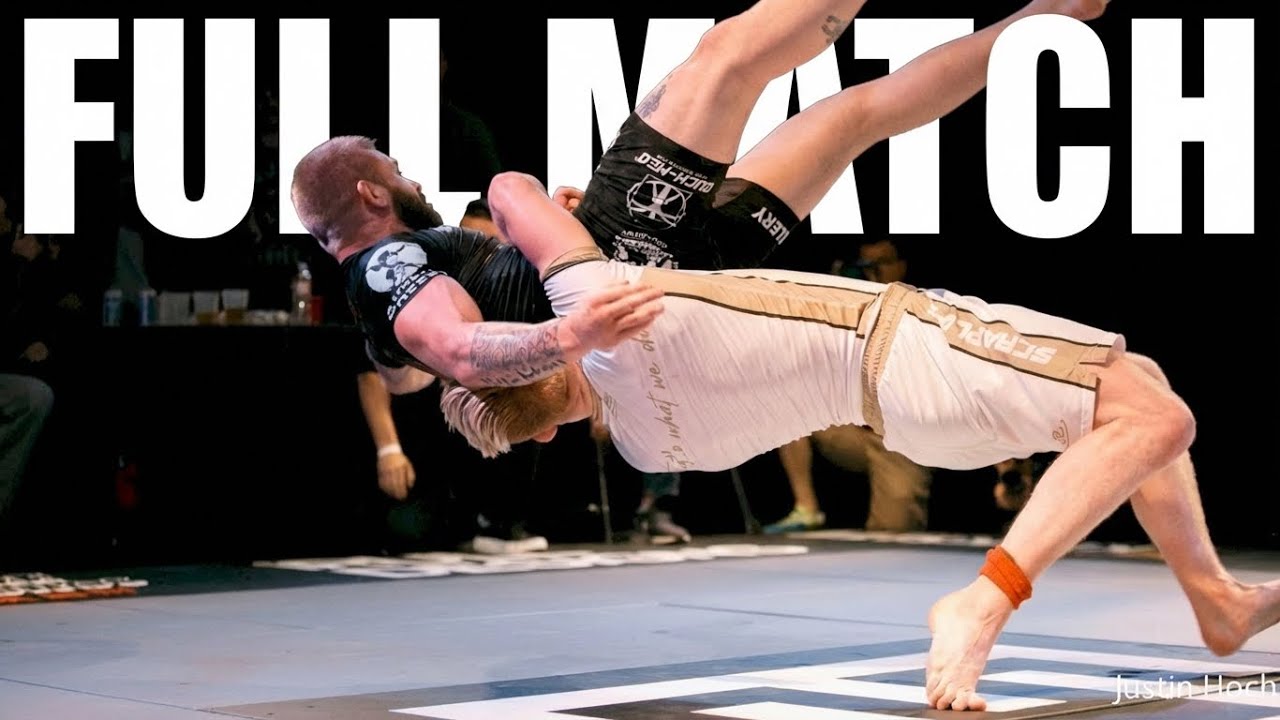
The Gaelic Grappling Art of Brollaidheacht or Coiléar agus Uille meaning Collar and Elbow is a martial art and form of jacket wrestling native to Ireland. Historically it has also been practised in regions of the world with large Irish diaspora populations, such as the United States, Britain New Zealand, Canada and Australia. The term ‘Collar-and-Elbow’ or ‘Elbow-and-Collar’ Wrestling was not exclusively used as a name for Irish Wrestling. The term was also known across the British Isles, where it was practiced in at least two other places: ‘Devonshire Wrestling’, and ‘Norfolk Wrestling’. Collectively, they are known as the British Outplay styles of Wrestling, which were defined by standing outside of range and used kicking and tripping.Wrestling as a competitive sport has been recorded in Ireland as far back as the second millennium BC, when it featured as one of the many athletic contests held during the annual Tailteann Games.The mythical hero Cúchulainn boasted of his prowess in both hurling and wrestling, and was on one occasion enraged by an undead spectre mockingly suggesting that his skill in the latter area had been highly exaggerated.Carved depictions of two figures in a recognisable wrestling clinch appear on the Market High Cross of Kells and the ruins of a church at Kilteel (both 9th century AD), and wrestling matches were common features of country fairs until at least the 18th century.
These wrestling contests were occasionally violent affairs. Participants could be and were frequently injured, sometimes fatally so, as in the case of a contest between one Thomas Costello (known locally as "Tumaus Loidher" – Thomas the Strong) and an unnamed champion in which Costello ostensibly squeezed on his opponent's harness so powerfully that it broke the man's spine. There appear to have been little or no attempts to moderate these violent aspects of wrestling from a legal point of view; as historian Edward MacLysaght noted in his account of the match, as the participant in a sporting contest Costello had little to fear in terms of official retribution.
These accounts of early Irish wrestling matches all describe participants taking a diverse range of grips on their opponents – from clutching at any available limb in the time of Cúchulainn, to a back hold-style clinch on the carvings at Kells and Kilteel, to both hands holding a belt in the match between Thomas Costello and his ill-fated opponent.
However, by the 18th century a new form of grip had established itself as the favoured hold: right hand grabbing the opponent's collar, left hand grabbing the sleeve of their jacket at the elbow. This position, and all its associated techniques and strategies, was to quickly emerge as the dominant framework under which Irish wrestling matches were contested.In the 19th century, Brollaidheacht was one of the most widely practised sporting activities in the country – "the chief physical sport of the male population from childhood to mature manhood".
Bouts took place between local champions and challengers on a parish level, and those between the most well-known and skilled wrestlers could draw thousands of spectators from across neighbouring counties. Although it was primarily referred to by its English name, Collar and Elbow is known to have had at least two names in Irish: "Coiléar agus Uille" (a literal translation of Collar and Elbow) and "brollaidheacht". The latter derives from the term for the front of a shirt ("brollach léine") and thus "brollaidheacht" could be translated as "collaring" – a reference to the grip that wrestlers were required to take on each other's jackets.
As levels of Irish emigration to the United States steadily increased throughout the 17th–19th centuries, so too did the presence of the Irish cultural traditions they brought with them – including their wrestling style. New England in general, and Vermont in particular, emerged as an early stronghold of Collar and Elbow after it had been introduced by immigrants largely from County Kildare.During the US Civil War, Vermont regiments introduced the style to other units in the Army of the Potomac, and in that way it acquired immense popularity among men from other regions of the United States who might otherwise never have encountered it. By the time the Civil War ended, Collar and Elbow had emerged as one of the most common rulesets under which wrestling bouts were contested nationwide.
IRISH COLLAR AND ELBOW WRESTLING #mma #gaelicgrapplingarts #gga #collarandelbow #wrestling #takedowns
Повторяем попытку...

Доступные форматы для скачивания:
Скачать видео
-
Информация по загрузке: