Electrocardiography Basics - Blood through the heart - Anatomy and Blood Flow
Автор: Teaching Trends
Загружено: 2024-08-02
Просмотров: 1537
Описание:
Blood Flow Guide https://docs.google.com/presentation/...
#STEMED
Blood follows a path as it continuously flows through your heart, lungs and the rest of your body.
What is the role of blood flow through the heart and body?
You need continuous blood flow through your heart and body to stay alive. Your heart is a powerful muscle that pumps oxygen-rich blood out to your body. Once it leaves your heart, this blood flows through many blood vessels to reach every part of your body, from the major organs (like your brain) to the smallest tissues at the tips of your toes. Your blood is always on the go, and it has two main jobs while it’s flowing through your body:
It delivers oxygen and nutrients to all your organs and tissues.
It removes carbon dioxide and other waste products from those same places.
The blood then returns to your heart once it’s low on oxygen and full of waste products. It needs to get filled with oxygen and get rid of carbon dioxide so your heart pumps it out to blood vessels in your lungs. Your blood gains oxygen and gets rid of waste in your lungs before flowing back to your heart. Your heart gratefully accepts this refreshed blood and pumps it back out to your body.
In addition to its role in delivering oxygen and nutrients, blood also contains infection-fighting cells called white blood cells. White blood cells are crucial in protecting the body from infection. Your white blood cells circulate throughout your body and respond to infections and foreign materials.
This circulation of blood continues over and over, every second of every day. Your heart and blood vessels make it all happen, and that’s why together they’re known as your circulatory system. The many parts of your circulatory system work together like a top-notch delivery service to keep blood moving through your body on schedule.
Blockages in your blood vessels (like blood clots) or other slowdowns can disrupt this system and lead to health issues. So, it’s important to learn how blood flows through your heart and body. You can then do whatever you can to keep this powerful system — invisible to you as you go about your day — going strong.
Where does blood flow through the heart?
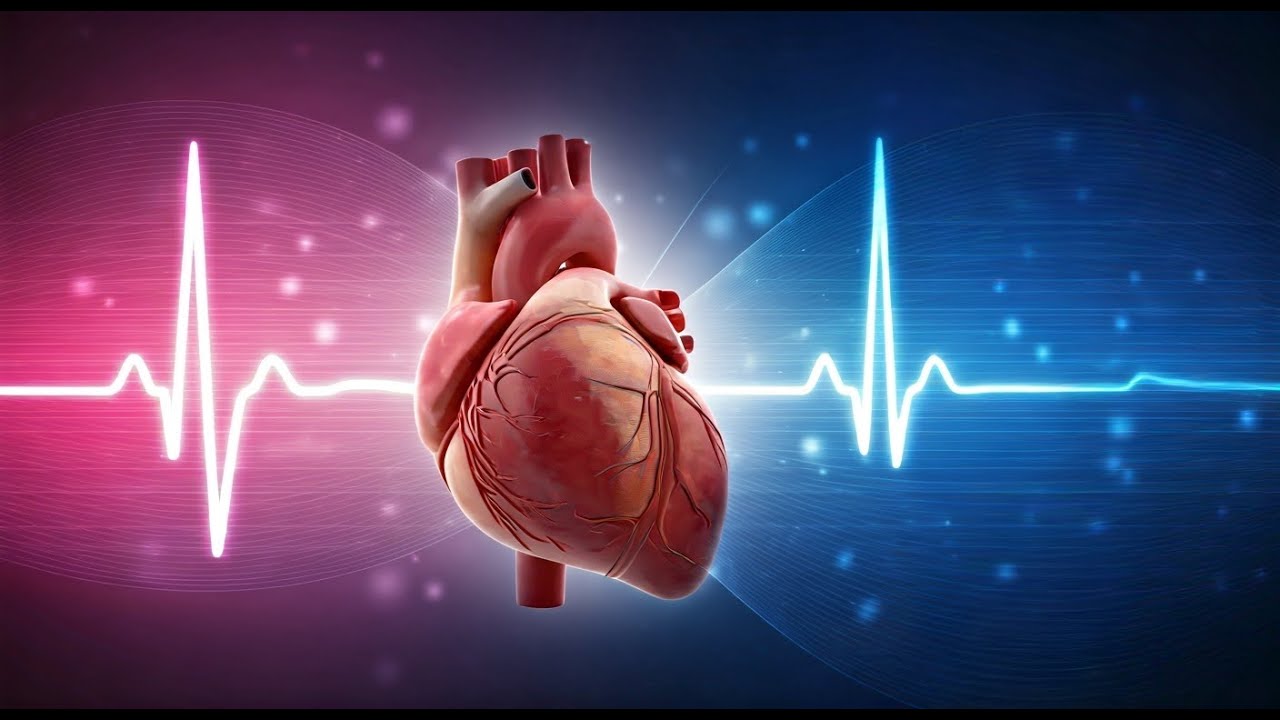
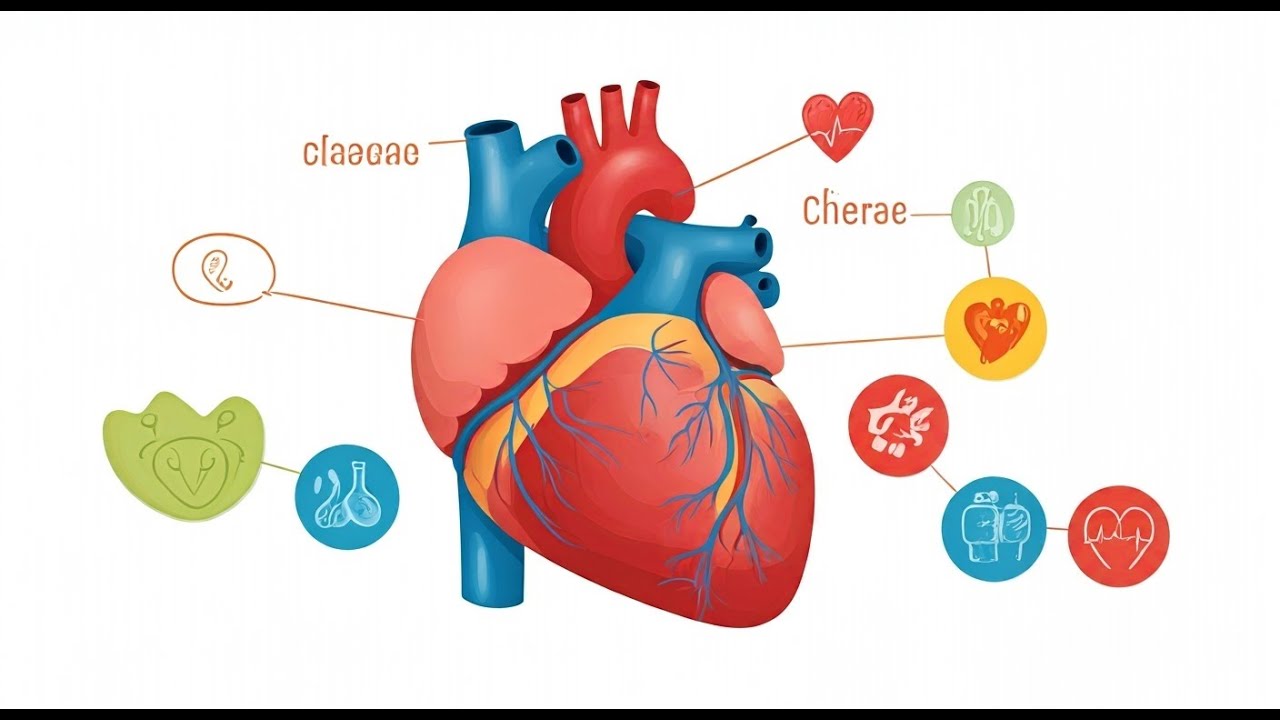
Your heart has four chambers, which you can think of like rooms in your home. Two are on the right side of your heart (right atrium and right ventricle), and two are on the left side (left atrium and left ventricle). Your blood flows through all four chambers — just not all in a row.
Like returning home after a long day at work, your blood returns to your heart after circulating through your body. It enters your right atrium and then directly flows into your right ventricle. (It’s like when you enter your living room and immediately keep going to your kitchen to grab a bite to eat.)
From your right ventricle, your blood can’t immediately go to the two chambers on the left side of your heart. It first needs to make a pit stop at your lungs to get rid of waste and pick up more oxygen. So it leaves your heart and goes to your lungs. (It’s like when you dash into your bathroom to take care of business and also take a quick shower.)
After leaving your lungs, your blood enters your left atrium and from there flows into your left ventricle. Your left ventricle then pumps this blood out to your body, where it makes the rounds before returning to your heart. (You go to your bedroom and get some sleep before waking up the next day and heading back out to work.)
Heart valves
Like rooms in your home, your heart chambers have doors. These doors — your heart valves — open and close to manage blood flow and keep it moving in the proper direction. You have four main heart valves:
The tricuspid valve connects your right atrium and right ventricle.
The pulmonary valve connects your right ventricle and main pulmonary artery (large artery that carries blood to your lungs).
The mitral valve connects your left atrium and left ventricle.
The aortic valve connects your left ventricle and aorta (large artery that carries blood away from your heart to the rest of your body).
https://my.clevelandclinic.org/health...
Повторяем попытку...
Доступные форматы для скачивания:
Скачать видео
-
Информация по загрузке: