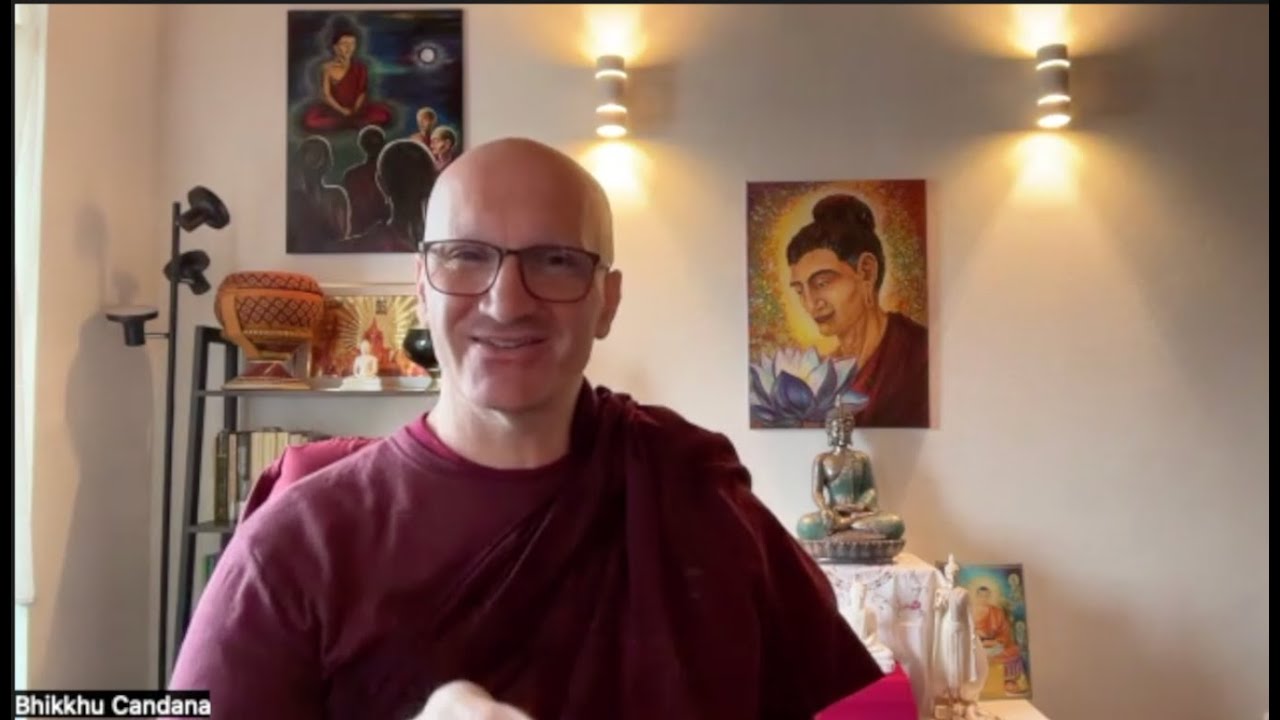
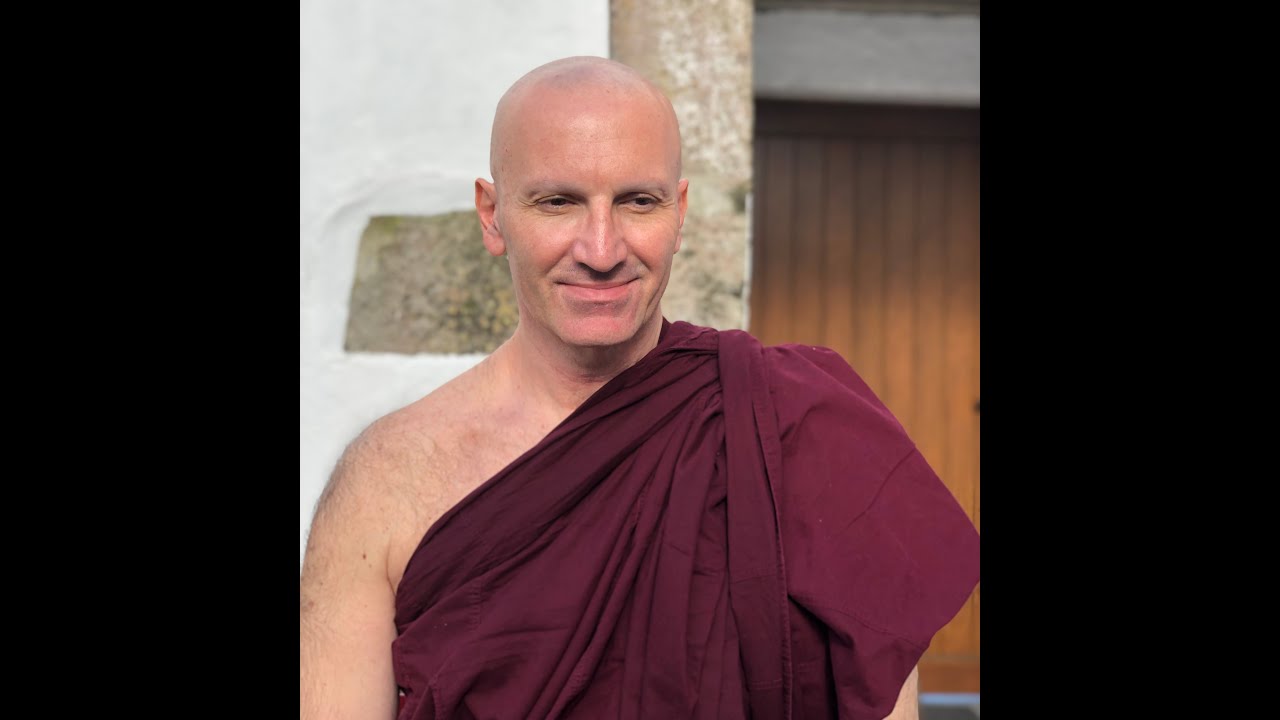
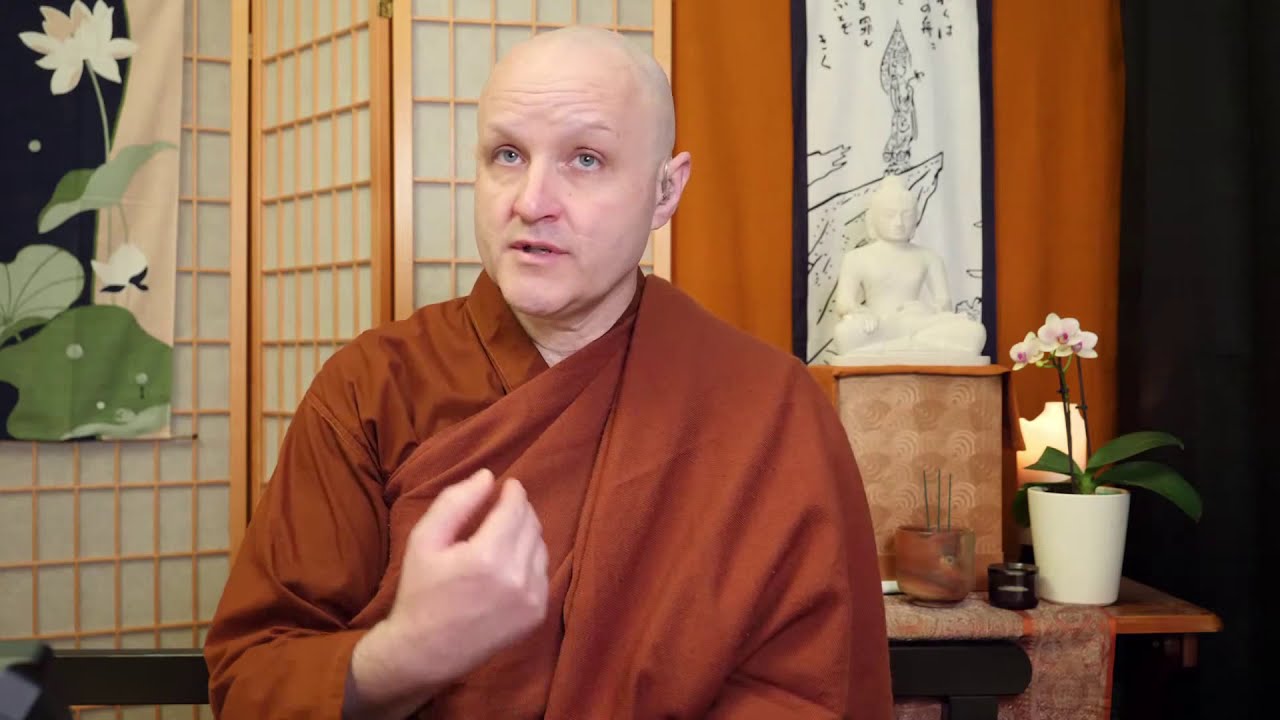
Toxic Shame: A Buddhist Persepctive (Introducing Hiri & Ottappa)
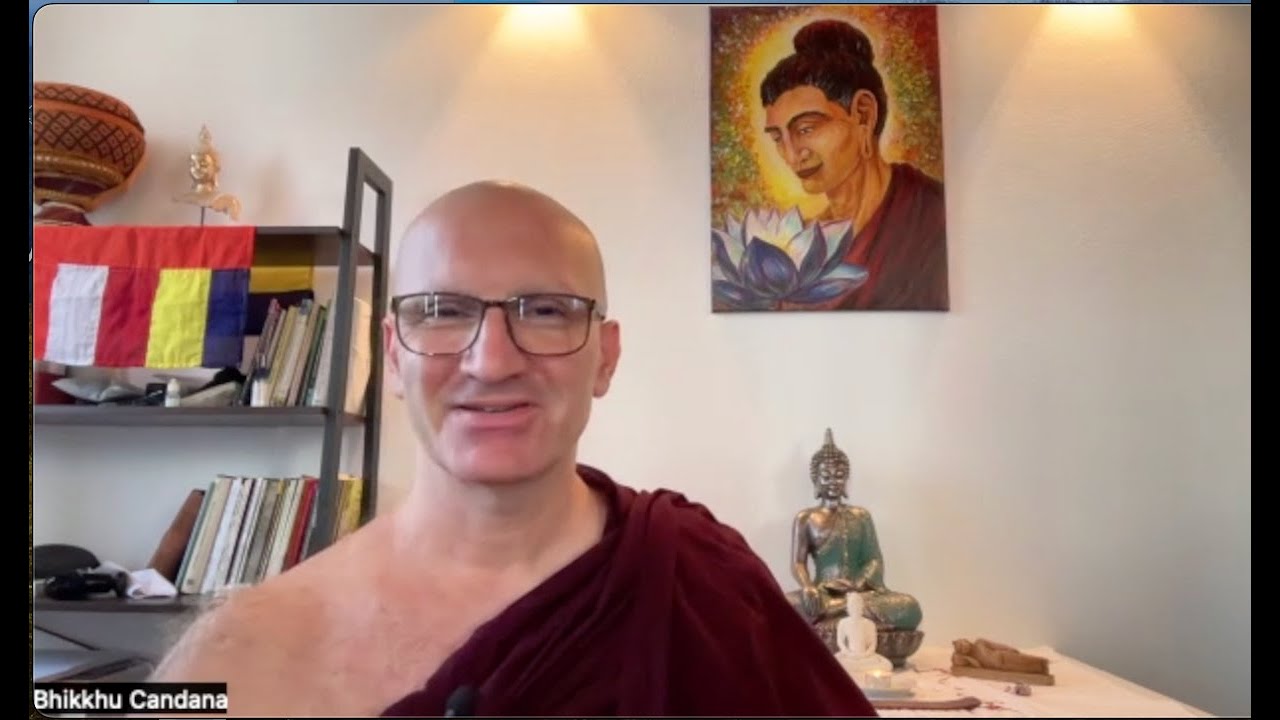
Автор: Candana Bhikkhu
Загружено: 2020-06-17
Просмотров: 933
Описание:
In this first in a series of talks, I chose to discuss the reality of Toxic Shame from a Buddhist (Theravada) Perspective, instead of discussing the current narrative on what it is and how to deal or work around this powerful emotion.
Here, I focus on the courage that is at the crux of living a fulfilling life, by understanding our role and contribution to our own suffering while helping viewers ways to taking charge of ourselves. But first, we need to look at what is in fact at play, given the realities we face in the world of deception that we have come to live in today (both the one outside, and especially the one inside ourselves).
Going back to the Teachings of the Buddha (Dhamma), I offer two very important terms, intended to help the viewer understand the way “shame” is looked at, and how it becomes a source of resilient and wise lifestyle. Thus, in Buddhism, we have these two terms: Hiri and Ottappa (usually translated as "Wise Virtuous/Moral Shame" and "Wise Virtuous/Moral Fear/Consideration. Basically, one is for being ashamed (of oneself) when performing evil and unwholesome actions, speech, or thoughts, while the other is to dread or "consider the effects of," when performing evil or bad and unwholesome actions, speech, or thoughts.
So, instead of dwelling on the negative aspects of shame (and yes, this word "shame" does have positive aspects too) something that is often neglected or completely unknown to researchers on this topic in our current Western culture, we have been fixated by only looking only at its first aspect, i.e. the destructive attribute of shame within the life of an individual. So, in Buddhism, we don’t just have shame, but we see it joined with its twin (fear or dread, which I like to call “consideration”).
In the Anguttara Nikaya (Numerical Discourses of the Buddha of the Pail Canon): Book II: Suttas 7-9, we see how the Buddha emphasizes these two key factors for the development of one’s character and especially behavior, towards oneself, as well as others:
"Bhikkhus, these two bright qualities protect the world. What two? Moral shame and moral dread. If these two bright qualities did not protect the world, there would not be seen here [any restraint regarding] one's mother, aunts, or the wives of one's teachers and [other] respected people. The world would become promiscuous/like goats and sheep, chickens arid pigs, dogs and jackals. But because these two bright qualities protect the world , there is seen here [restraint regarding] one's mother, aunts, or the wives of one's teachers and [other] respected people.”
These series of Talks are offered, as a way for me to respond to questions received on the various aspects of life and how to navigate in these difficult times, while I share the Buddhist Perspective on how to approach difficulties in life, by introducing tools that are geared to helping viewers/listeners live a happier and more fulfilling life, with wisdom, and courage.
May these be of help and support to you and your loved ones.
Mettacittena,
Candana (Chandana) Bhikkhu
Note: If you like to contribute by supporting Bhante in his work of teaching, his free online translations and recordings of the Pāli Suttas, the original discourses of the Buddha, as well as his work in providing free psychotherapy sessions to low income individuals and their families, you may consider donating via: https://gofund.me/9d161e0e
Повторяем попытку...
Доступные форматы для скачивания:
Скачать видео
-
Информация по загрузке: