Can a Rhinoplasty Negatively Affect My Sinuses? | Dr. Daniel Shapiro
Автор: Daniel I. Shapiro (MD)
Загружено: 2014-12-22
Просмотров: 786
Описание:
Dr. Dan Shapiro is a plastic surgeon certified by the American Board of Plastic Surgery. He has been practicing in the Scottsdale/Paradise Valley area since 1992, and performs cosmetic or aesthetic surgery. A very common question is, "Can a rhinoplasty affect my breathing; can it affect my sinuses either positively or negatively, and how do I decide, and what kind of precautions do you take to make sure that I can continue breathing well?"
Rhinoplasty is a very precise procedure, and one of the components of the nose is the nasal septum. That is the cartilage that is on the inside of the nose. It separates the two nostrils internally. In patients that have a deviation of that septum, often times they will have difficulty breathing because one of the sides of the nose is obstructed. The other side of the nose often has hypertrophy, or overgrowth, of something called turbinate tissue, so oftentimes people will have difficulty not only where the septal deviation is, but also on the other where the inferior turbinates become enlarged.
When someone performs a rhinoplasty, repairing that septal deviation is actually part of Dr. Shapiro’s rhinoplasty, because he wants to ensure the foundation of the nose, that is the base of the house, is straight in order to make the rest of the nose straight. Thus, when he performs a rhinoplasty, he will always fix the septal deviation, and will always take care of that inferior turbinate, with rare exceptions.
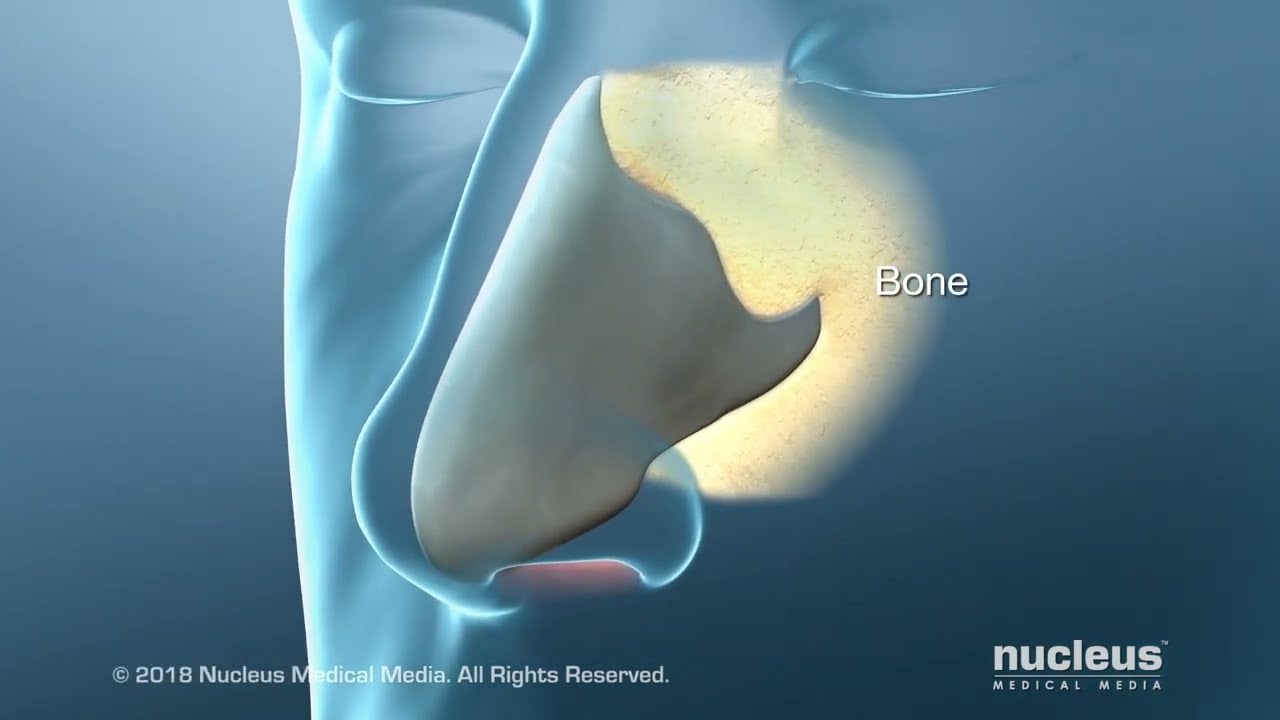
A rhinoplasty can improve breathing. Patients that have a very large nasal hump can affect it's breathing. It can be negatively impacted if that nasal dorsal hump is taken down, but the sinuses are not protected.
Therefore, when Dr. Shapiro removes the nasal hump that is very significant on the bone, he puts in septal spreader grafts, which are grafts that come from the cartilage on the inside of the nose, and ensure that the breathing passages remain open after the rhinoplasty. Occasionally, he will see rhinoplasty from other surgeons where this has not been performed, and patients will have difficulty breathing. The way to repair that is to go back and put the septal spreader grafts in.
The answer to the question is, rhinoplasties do affect the breathing, they do affect the sinuses, but as long as precautions are taken before, that is the septal deviation is fixed, the inferior turbinate hypertrophy is alleviated, and if there is a significant nasal hump that is taken down, septal spreader grafts replace, people should be breathing well or even better after a rhinoplasty.
For more information about finding the right surgeon to perform your rhinoplasty, you can contact us by visiting our site http://www.shapiroplasticsurgery.com/ or contact us using the information below.
Shapiro Aesthetic Plastic Surgery and Skin Klinic
5410 N. Scottsdale Rd. Building F-100
Scottsdale, AZ 85253
Phone: (480)-451-1700
Повторяем попытку...

Доступные форматы для скачивания:
Скачать видео
-
Информация по загрузке: