Thailand to China: travelling during the New Year
Автор: Tim Chambers
Загружено: 2026-02-27
Просмотров: 132
Описание:
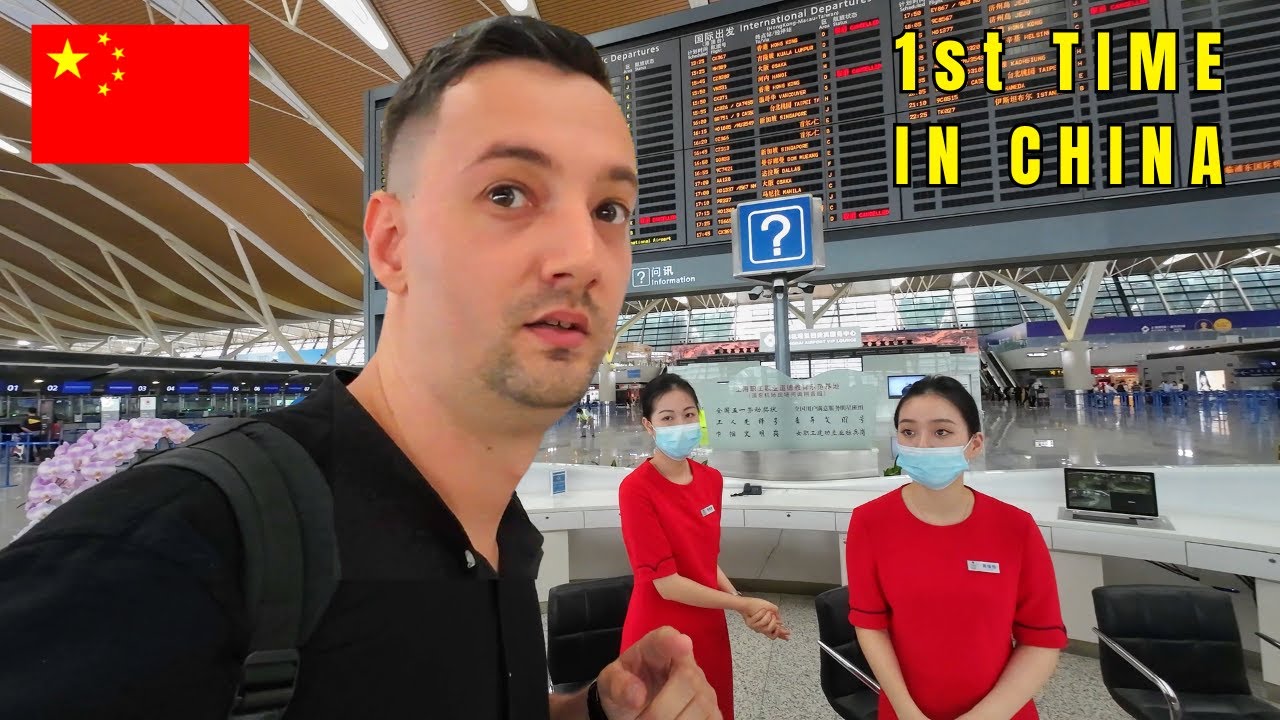
Join me as I travel from Phuket Thailand to Jinshan, Shanghai, China for the Chinese National Holidays as we transition into the year of the horse in China 2026
We take several taxis, a plane, a cold and wet ebike trip and the Jinshan Rail line to finally get back to the family home in time for new year.
Shanghai Jinshan Line is the first urban railway in Shanghai connecting the central city of Shanghai with Jinshan District, and is the first fast urban railway in the Yangtze River Delta region. The line runs from Shanghai South Station to Jinshanwei Station, with a total length of 56.4 km (35 mi) and 9 stations, linking Xuhui District, Minhang District, Songjiang District and Jinshan District in Shanghai. The maximum speed is 160 km/h (99.4 mi/h). It operates from around 5:30-22:30. The ticket price is CNY3-10.
Passengers can transfer to Jinshan Line at Shanghai South Railway Metro Station. Take Line 1 or Line 3 can take Exit 4 or 2 to reach the entrance of Jinshan Line. There are three types of trains: S10, S12 and S16. S10 trains go straight through to the terminal station, S16 trains stop at every station, and S12 trains only stop at Xinqiao and Tinglin stations. S16 takes about 1 hour, S12 takes about 40 minutes and S10 takes about 30 minutes.
Passengers can use their Shanghai Public Transportation Card or scan the QR code on Shanghai Metro DADUHUI App to take the train. The paper tickets can be bought at the station service counter or self-service ticket machines, which support Alipay and WeChat Payment.
High Speed Rail;
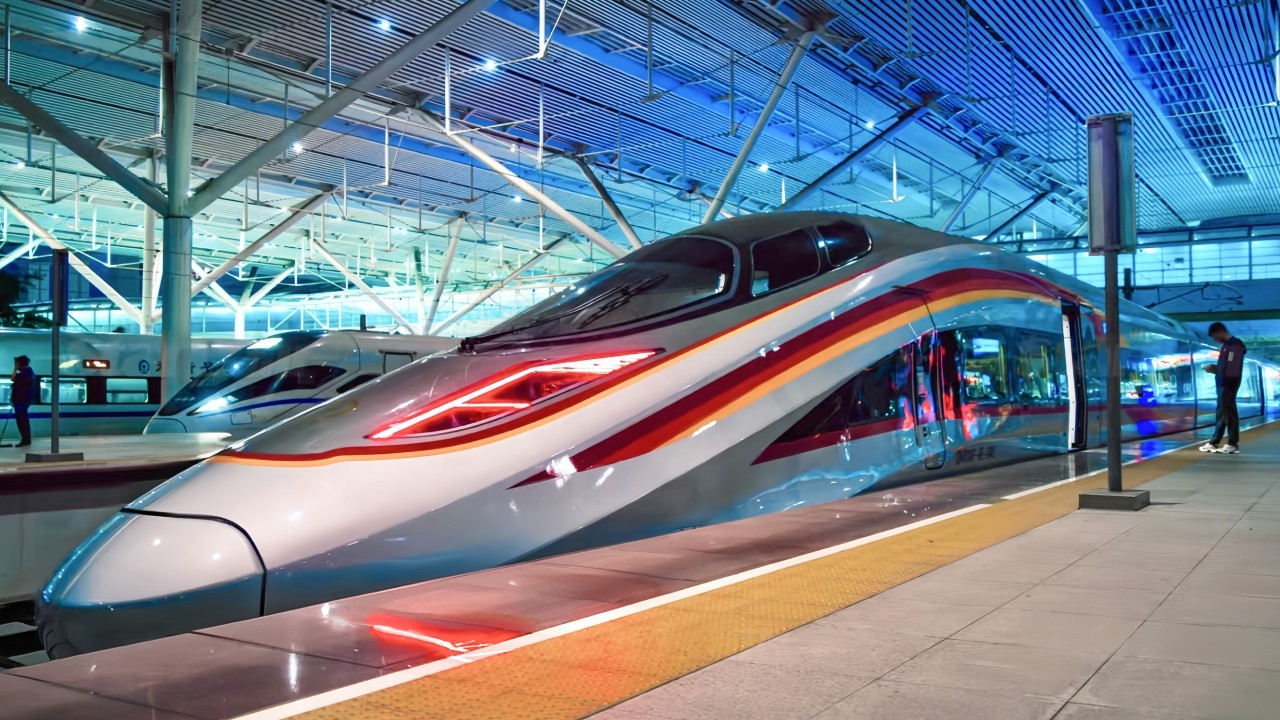
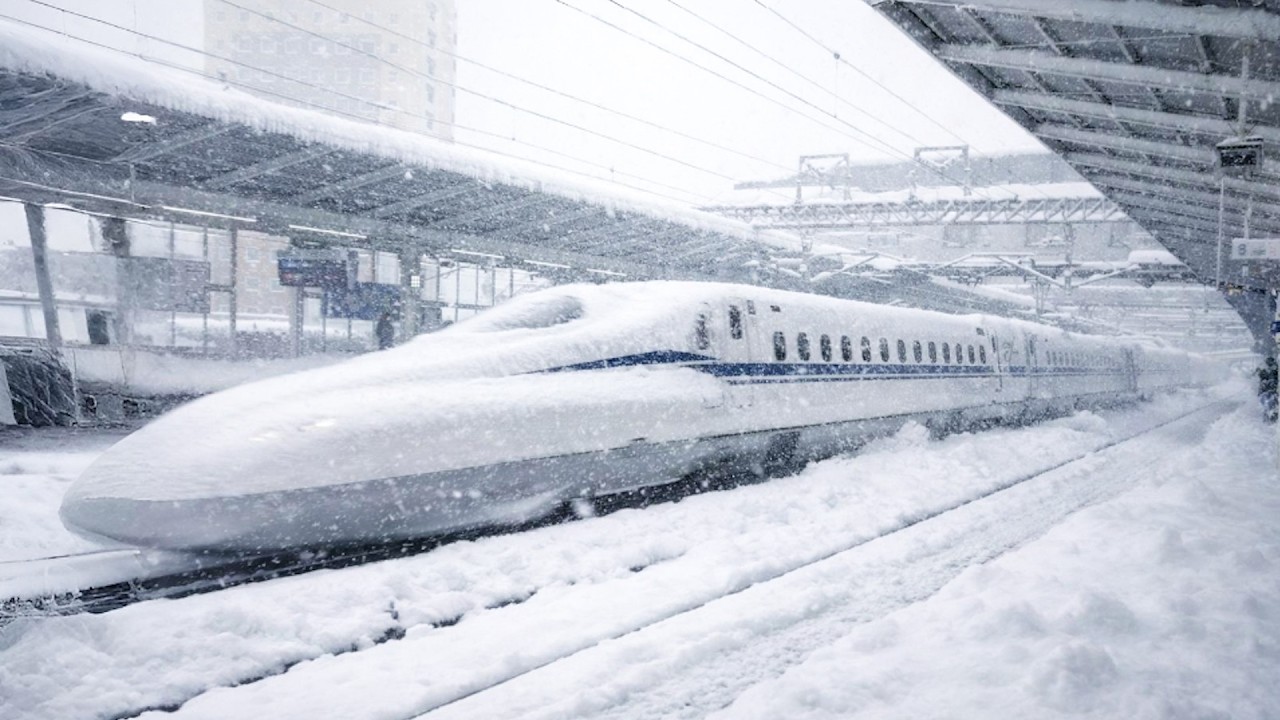
The high-speed rail (HSR) network in the People's Republic of China (PRC) is the world's longest and most extensively used – with a total length of 45,000 kilometres (28,000 mi) by the end of 2023. The HSR network encompasses newly built rail lines with a design speed of 200–380 km/h (120–240 mph). China's HSR accounts for two-thirds of the world's total high-speed railway networks. Almost all HSR trains, track and service are owned and operated by the China Railway Corporation under the brand China Railway High-speed (CRH).
High-speed rail developed rapidly in China since the mid-2000s. CRH was introduced in April 2007 and the Beijing-Tianjin intercity rail, which opened in August 2008, was the first passenger dedicated HSR line. Currently, the HSR extends to all provincial-level administrative divisions and Hong Kong SAR with the exception of Macau SAR.
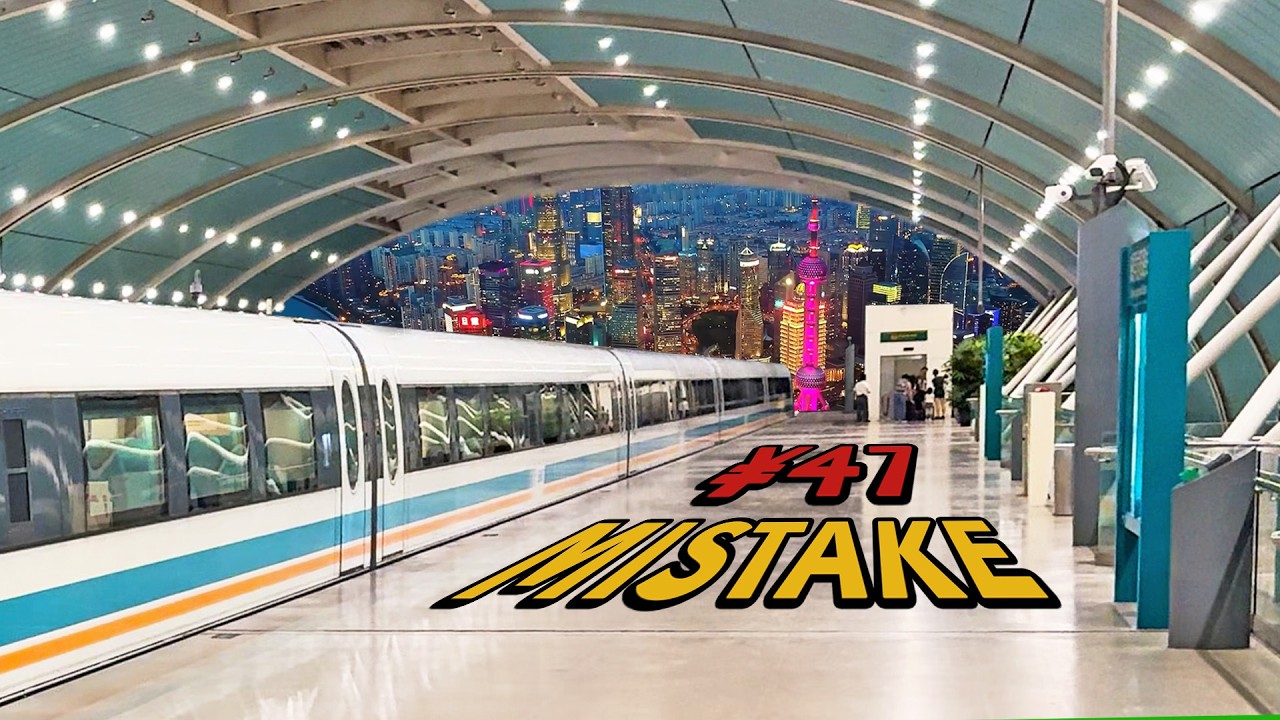
Notable HSR lines in China include the Beijing–Kunming high-speed railway which at 2,760 km (1,710 mi) is the world's longest HSR line in operation, and the Beijing–Shanghai high-speed railway with the world's fastest operating conventional train services. The Shanghai Maglev is the world's first high-speed commercial magnetic levitation ("maglev") line that reach a top speed of 430 km/h (267 mph).
The economic logic of high-speed rail in China has been a topic of much discussion. A 2019 study produced by TransFORM, a knowledge platform developed by the World Bank and China’s Ministry of Transport, estimated the annual rate of economic return of China's high-speed rail network in 2015, to be at 8 percent, which is well above the opportunity cost of capital in China for major long term infrastructure investments. The study also noted a range of benefits which included shortened travel times, improved safety and better facilitation of tourism, labor and mobility, as well as reducing highway congestion, accidents and greenhouse emissions as some automobile travellers switch from car use to rail. A 2020 study by Paulson Institute has estimated the net benefit of the high-speed rail system to be approximately $378 billion, with an annual return on investment of 6.5%.
#china #shanghai #rail #airplane
Повторяем попытку...

Доступные форматы для скачивания:
Скачать видео
-
Информация по загрузке: