Peshmerga fight against Islamic State and oil spat dominate Kurdish region's 2014 ++REPLAY++
Автор: AP Archive
Загружено: 2015-08-03
Просмотров: 166
Описание:
(29 Dec 2014) LEADIN:
2014 has been an eventful year for the northern Kurdish region of Iraq.
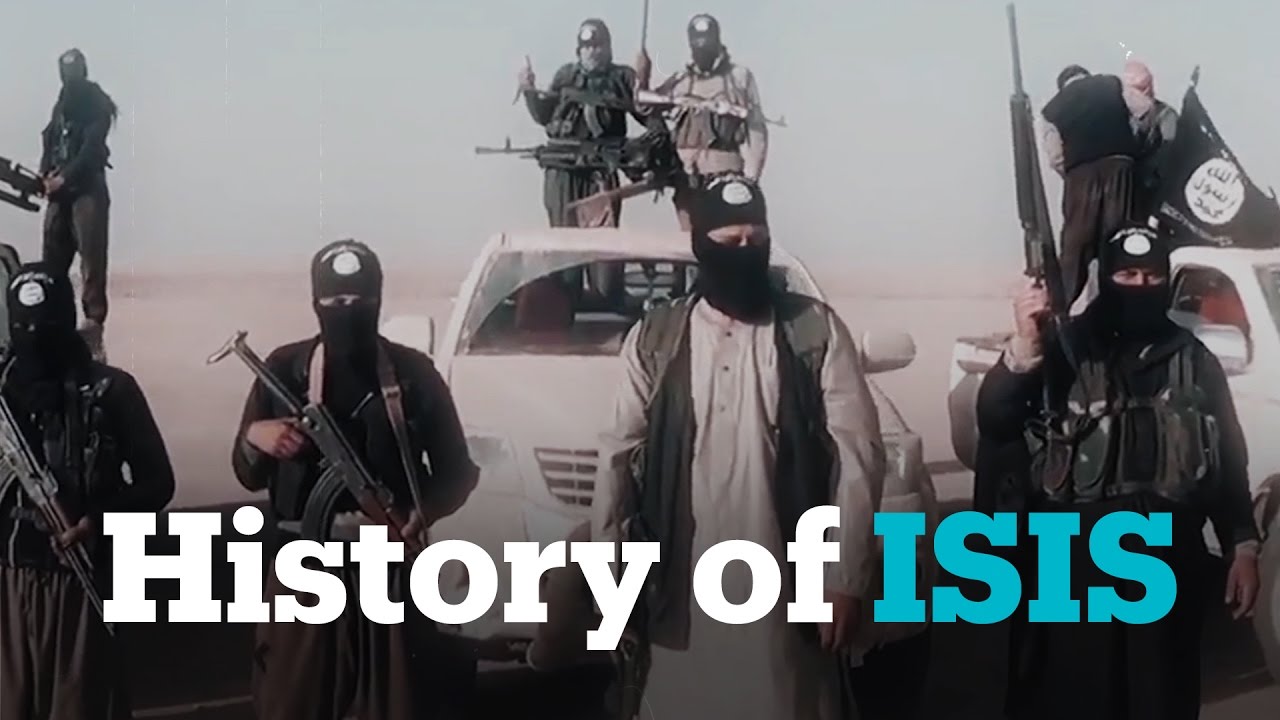
It's faced a spat with Baghdad over oil and the rise of the Islamic State group, which has taken over swathes of Iraqi territory.
STORYLINE:
It's early June - and hundreds of cars line up at the Khazer checkpoint trying to enter the northern Kurdish region of Iraq.
These people are fleeing the onslaught of the sunni militant group - Islamic State (IS).
The group has just taken over Iraq's second largest city of Mosul and much of the province of Niveneh.
Fleeing his hometown is Internally Displaced Person (IDP) Waad Ali. He arrives at the checkpoint with tales of woe.
"The situation there (Mosul) is hopeless. They destroyed and burned a police station. I will do my best to save my family and protect my children and go to Kurdistan," he says.
For many of those fleeing IS, an IDP camp like this one - set up by UNHCR in Khazer - is their new home.
According to political analyst Dlawer Ala'Aldeen, the influx of IDPs is an indication of the region's "safety and stability."
"Kurdistan's safety and stability is quite clear from the number of Internally Displaced People and the refugees who come to Kurdistan and find a safe haven in this region," says Ala'Aldeen, who is President of the Middle East Research Institute (MERI).
By July an oil spat between the central Baghdad government and the Kurdish Regional Government's (KRG) has been rumbling on for months.
Earlier in the year Baghdad cuts off 17 percent of the state budget - some 20 (b) billion US dollars in the year's projected budget - that is supposed to be given to the Kurdish region.
The central government holds the funds after the Kurds begin moving oil from fields inside the autonomous zone to Turkey independently against Baghdad's wishes.
The Kurdish government says it needs the money to meet the growing security demands and pay public sector workers.
In July Kurdish security forces take over two major oil fields - Bai Hassan and Kirkuk - outside the disputed northern city of Kirkuk, saying they will use some of the production for domestic purposes.
And on 12 July the KRG's Minister for Natural Resources, Dr Ashti Hawrami, announces that his region will be "self-sufficient" by the end of the year.
"See, Baghdad made the wrong calculation. They thought that they strangle us by cutting our budget unfairly, illegally and unconstitutionally as a punishment. They have miscalculated the will of the Kurdish people - they fight back."
At this time the Kurds are responding to the Sunni militant insurgency by seizing territory of their own, effectively expanding the Kurdish zone in the north.
These moves are infuriating the Baghdad government, while stoking independence sentiment among the Kurds.
The Kurds and Baghdad have feuded for years over a host of issues - chief among them rights to oil resources in the north and disputed territory.
On the 24 July, UN Secretary-General Ban Ki-moon steps in to try to ease tensions.
He meets the KRG President Massoud Barzani in the region's capital, Irbil and calls for calm between the two sides.
"This crisis requires the leaders in Irbil and leaders in Baghdad (to) work together to maintain the unity of the country within its federal system and remove the danger of further tensions and conflict," he says.
At the beginning of August, Kurdish Peshmerga forces suffer heavy losses against Islamic State, which causes another influx of IDPs to the region.
Amongst them this group of Yazidis who are crossing into the Kurdish region at Fishkhabur on the 3 August.
Find out more about AP Archive: http://www.aparchive.com/HowWeWork
Twitter: / ap_archive
Facebook: / aparchives
Instagram: / apnews
You can license this story through AP Archive: http://www.aparchive.com/metadata/you...
Повторяем попытку...

Доступные форматы для скачивания:
Скачать видео
-
Информация по загрузке: