Japan H-2A rocket launches the most advanced navigation satellite
Автор: Space Astralis
Загружено: 2021-10-26
Просмотров: 365
Описание:
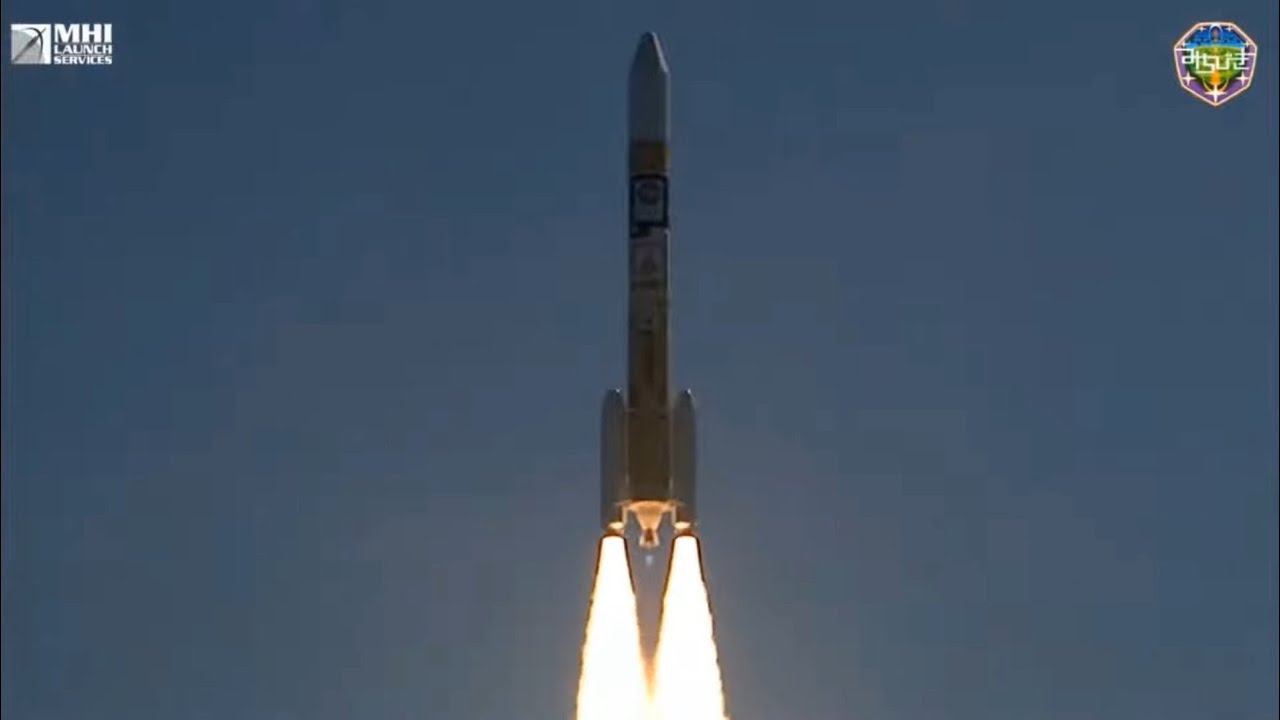
A Mitsubishi Heavy Industries built H-2A rocket launched the QZS-1R navigation satellite from the Tanegashima Space Center in Japan at 10:19 p.m. EDT Monday (0219 GMT, or 11:19 a.m. local time on Tuesday, Oct. 26).
The new satellite will join Japan’s Quasi-Zenith Satellite System, or QZSS, which helps give users better estimates of their position, especially in cities and remote regions, where skyscrapers, trees and mountains can block signals from GPS satellites.
A Japanese H-2A rocket is set to deploy the new satellite, named QZS 1R or Michibiki 1R, to replace the first Michibiki spacecraft launched on a previous H-2A flight in September 2010. The QZS 1 satellite is beyond its original 10-year design life.
Liftoff of the 174-foot-tall (53-meter) H-2A rocket from Tanegashima Space Center in southwestern Japan is scheduled for a 15-minute window opening at 10:19:37 p.m. EDT Monday (0219 GMT; 11:19 a.m. Japan Standard Time on Tuesday).
The flight was delayed 24 hours because of a poor weather forecast for the mission’s first launch opportunity.
Japanese teams from Mitsubishi Heavy Industries, the H-2A’s prime contractor and operator, rolled the rocket from its assembly building to the launch pad around 15 hours before liftoff. The 1,600-foot (500-meter) journey on a mobile launch table took about 30 minutes to complete.
Once at the launch pad, the rocket was connected to ground electrical and propellant systems, allowing the H-2A team to start loading liquid hydrogen and liquid oxygen into the launcher’s first and second stage tanks.
QZS 1R, built by Mitsubishi Electric Corp., weighs about 4 metric tons (4.4 tons) fully fueled on top of the H-2A rocket.
The H-2A rocket is fitted with two strap-on solid rocket boosters, providing the majority of the 1.4 million pounds of thrust to push the launcher off the pad.
It takes four GPS satellites to calculate a precise position on Earth, but a Michibiki satellite broadcasting the same L-band signals will give a receiver an estimate if there are not enough GPS satellites visible, or it can help produce a more accurate position calculation even with full GPS service.
Japan is developing three more quasi-zenith navigation satellites for launch by the end of 2023. The expanded fleet of seven spacecraft will give Japan complete navigation coverage over Japanese territory, independent of any GPS signals.
Credit: Mitsubishi Heavy Industries/MHI
#JapanH2Arocket #H2A #SpaceNewsToday #H2ARocket #AdvancedNavigationSatellite #AdvancedNavigation #QZS1RnavigationSatellite #QZS1RSatellite
Повторяем попытку...
Доступные форматы для скачивания:
Скачать видео
-
Информация по загрузке: