Motion in One Dimension Review | The Direction Mistakes That Confuse Physics
Автор: Physics Sensei
Загружено: 2026-02-11
Просмотров: 6
Описание:
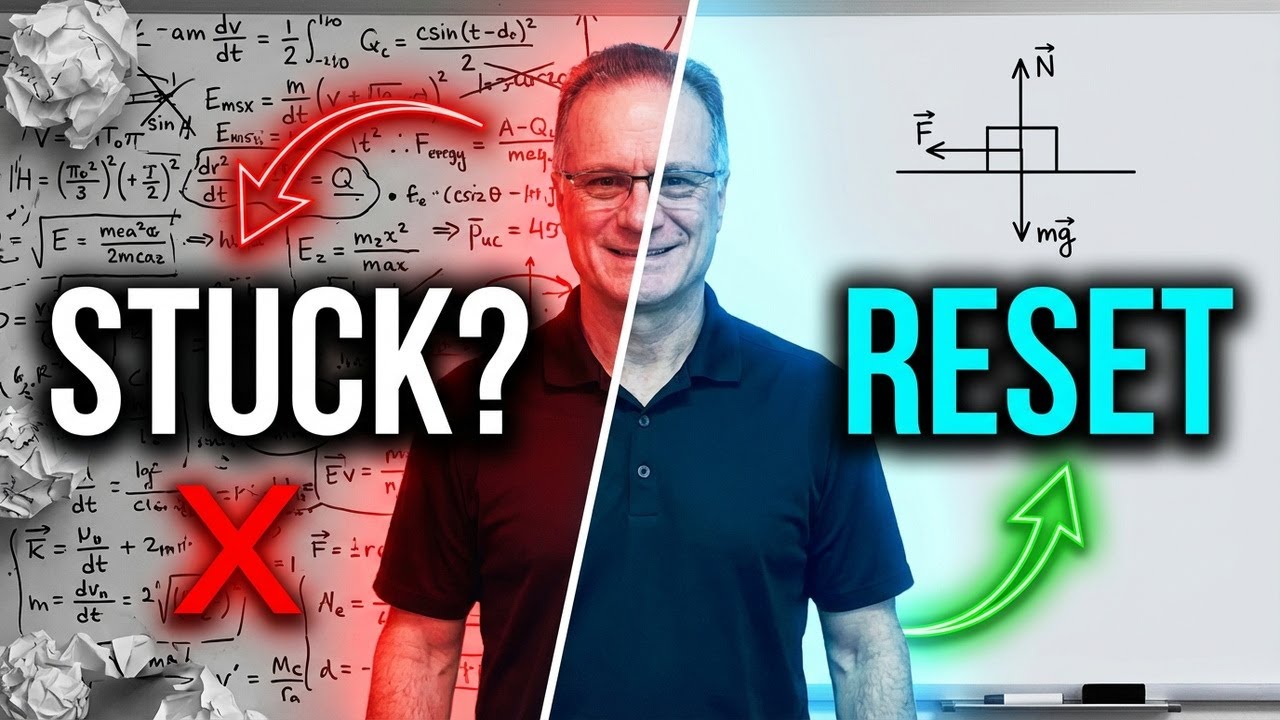
Motion problems feel hard when direction and signs aren’t clear.
This video is a review, not a full lecture.
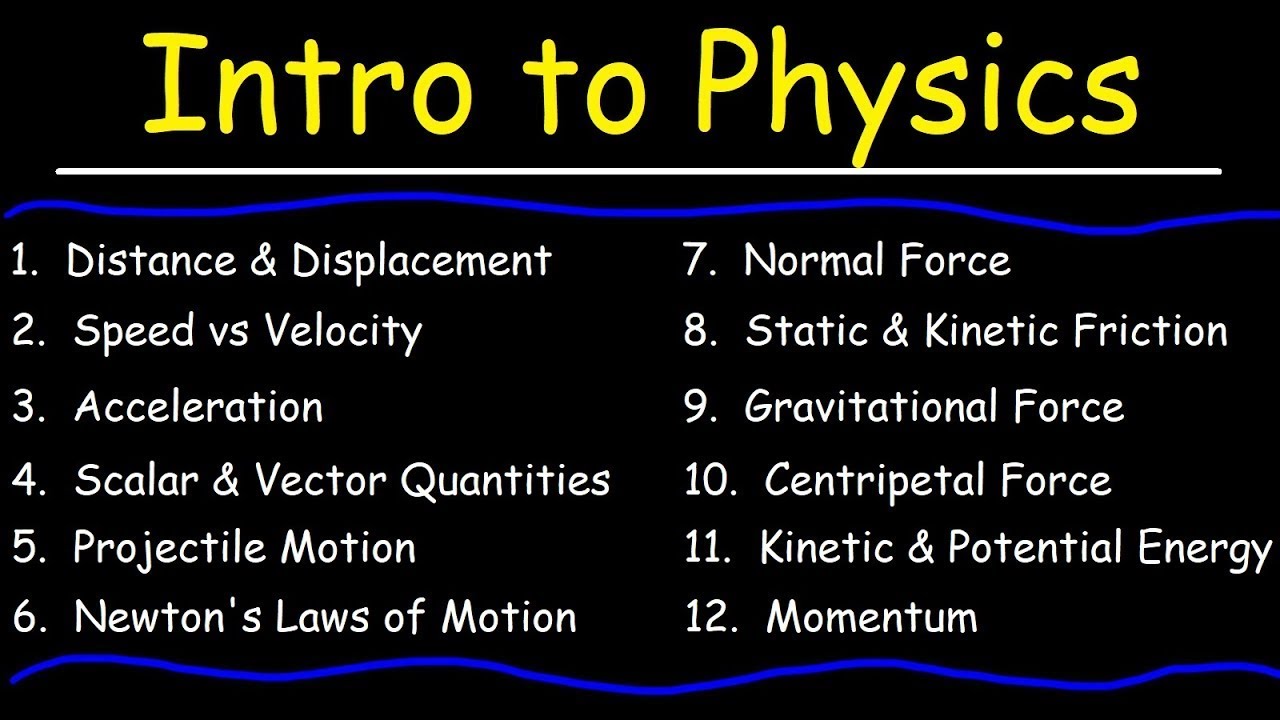
This video is a clear review of motion in one dimension for physics students. It refreshes the core ideas you use repeatedly, highlights what actually matters when solving problems, points out common mistakes, and shows you how to study motion efficiently.
This review covers:
Position and displacement
Speed vs velocity
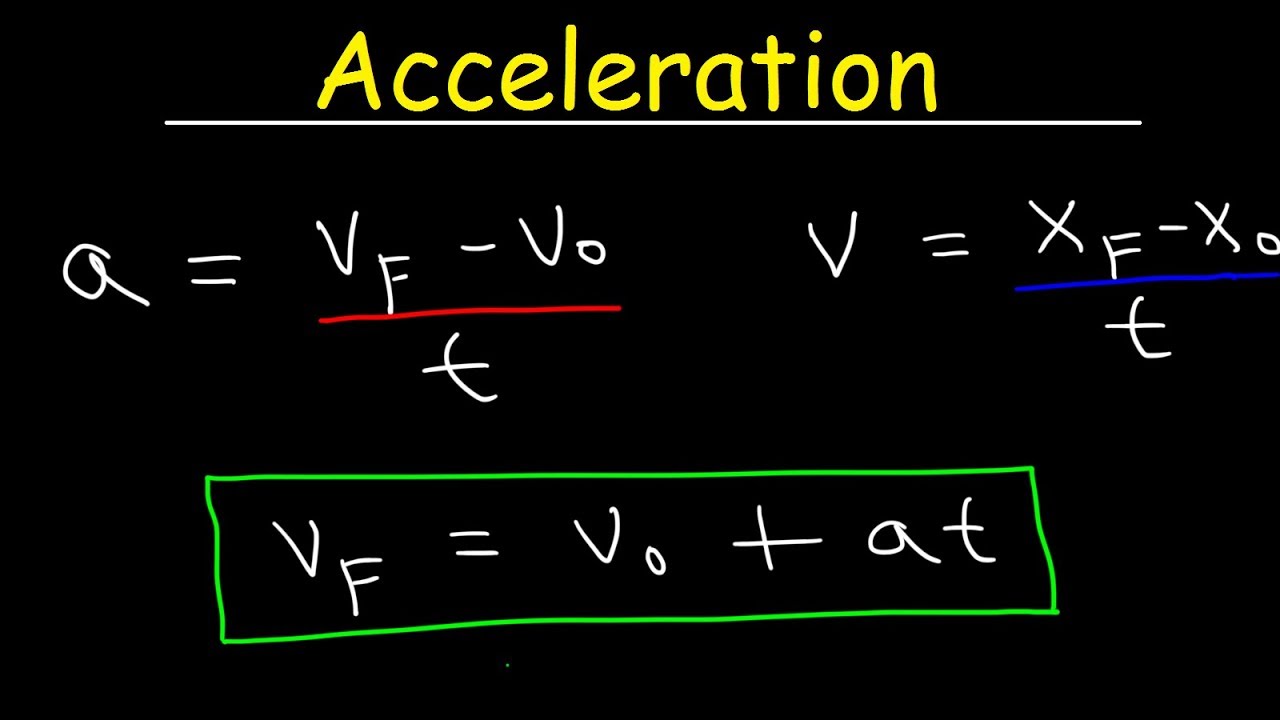
Acceleration and what it really means
Motion graphs (position–time and velocity–time)
Constant acceleration motion
Direction, signs, and setup
Common mistakes and fixes
How to study motion without memorizing equations
This is a review, not a re-lecture. The focus is on clean setup and predictable execution.
SCRIPT (for reference and accessibility)
Alright, let’s do a review of motion in one dimension. This is not a full lecture, and I’m not going to teach everything again. In this review, we’ll go through the main ideas you use over and over: position, displacement, speed, velocity, acceleration, motion graphs, and constant-acceleration motion. I’ll also point out the most common mistakes students make with motion problems and show you how to fix them. At the end, I’ll give you a simple plan for how to study this topic so it becomes predictable instead of confusing.
Position tells you where an object is compared to a chosen origin. Displacement tells you how position changes. Displacement is not the same as distance. Distance only tells you how much ground was covered. Displacement tells you how far and in what direction the object moved. Direction matters, even in one dimension.
Speed and velocity are related, but they are not the same. Speed tells you how fast something moves, but it has no direction. Velocity tells you both how fast and which way. Two objects can have the same speed but different velocities if they move in opposite directions.
Acceleration does not mean speeding up. Acceleration means a change in velocity. That change can be speeding up, slowing down, or changing direction. An object can move in the negative direction and still have positive acceleration. Direction controls how acceleration behaves.
Motion graphs are a way to describe motion using data, not pictures. A position–time graph shows how position changes with time, and its slope tells you velocity. A velocity–time graph shows how velocity changes with time, and its slope tells you acceleration. The area under a velocity–time graph tells you displacement.
Many problems assume constant acceleration, meaning acceleration does not change with time. When this is true, motion equations apply. These equations connect position, velocity, acceleration, and time. They should be used after you understand the situation and choose a direction.
Common mistakes include mixing distance and displacement, thinking acceleration always means speeding up, and ignoring signs. The fixes are simple. Ask whether direction matters, remember acceleration means change in velocity, and choose a positive direction before writing equations.
To study motion, practice setting up problems before solving them. Focus on direction, signs, and what is given versus what you are solving for. Practice reading motion graphs and explaining them in words. Redo problems where signs caused confusion. Motion becomes easier with repetition and clean setup, not memorization.
That’s the review of motion in one dimension. Not every detail, just the ideas you use again and again. Direction controls motion. Train the basics. Build your foundation. Let consistency become your advantage. And if you need more help, the Dojo is ready when you are. I’ll see you there.
Повторяем попытку...

Доступные форматы для скачивания:
Скачать видео
-
Информация по загрузке: