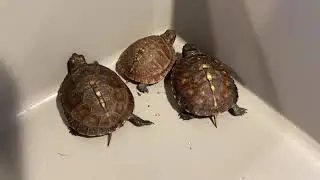
Eastern Long Necked Turtle Lift Facts & Biological Challenges
Автор: Biological Challenges
Загружено: 2024-01-21
Просмотров: 415
Описание:
Eastern Long-Necked Turtle.
the Eastern Long-Necked Turtle! Fascinating creatures. Their long necks make them stand out among other turtles. Did you know they use their extended necks to strike at prey with surprising speed? It's like a turtle with a built-in slingshot!
The Eastern Long-Necked Turtle, scientifically known as Chelodina longicollis, is native to Australia. Here are some interesting life facts:
Number 1. Long Neck: As the name suggests, these turtles have a long neck, which can be longer than their shell. It's an adaptation for hunting in aquatic vegetation and reaching prey.
Number 2. Aquatic Lifestyle. They are primarily aquatic and can be found in slow-moving bodies of water like ponds, lakes, and swamps. They are excellent swimmers but spend a lot of time basking in the sun.
Number 3. Diet. Their diet consists of a variety of aquatic invertebrates, small fish, and even some plant material. They are known to be opportunistic feeders.
Number 4. Breathing Adaptations. Eastern Long-Necked Turtles are able to extract oxygen from the air by breathing through a small opening in the skin located near their tails, in addition to breathing through their lungs.
Number 5. Reproduction. Females lay eggs in a nest, often digging a hole in sandy soil. The eggs incubate for several months before hatching.
Number 6. Temperature-Dependent Sex Determination. The gender of the turtle is influenced by the temperature during incubation. Warmer temperatures tend to produce females, while cooler temperatures produce males.
Number 7. Long Lifespan. These turtles can have a relatively long lifespan, with some individuals living for several decades in the wild.
Remember, these turtles play a crucial role in maintaining the ecological balance of their habitats.
Like any species, Eastern Long-Necked Turtles face their share of biological challenges. Here are a few:
Number 1. Habitat Loss. Urbanization and habitat destruction pose a significant threat. As their natural habitats are altered or destroyed, the turtles may struggle to find suitable places for nesting, basking, and foraging.
Number 2. Predation. Eggs, hatchlings, and even adult turtles are vulnerable to predation. Birds, mammals, and other reptiles may target them as a food source.
Number 3. Climate Change. Changes in temperature and precipitation patterns can affect the sex ratios of turtle populations, as the gender of the hatchlings is influenced by the incubation temperature. Shifts in climate can also impact their habitat.
Number 4. Pollution. Water pollution, including plastic waste and chemical runoff, can have detrimental effects on these turtles. Pollutants can harm their health and disrupt the ecosystems they inhabit.
Number 5. Disease. Like many wildlife species, Eastern Long-Necked Turtles can be susceptible to diseases. Habitat degradation and stress from other factors can make them more vulnerable to infections.
Number 6. Human Interactions. Illegal collection for the pet trade, accidental capture in fishing gear, and vehicle collisions are human-related challenges that these turtles may face.
Conservation efforts, including habitat protection, education about responsible pet ownership, and measures to mitigate the impact of climate change, play a crucial role in addressing these challenges and ensuring the survival of Eastern Long-Necked Turtles. It's a delicate balance between human activities and the well-being of these fascinating creatures. Anything else you'd like to know?
Повторяем попытку...

Доступные форматы для скачивания:
Скачать видео
-
Информация по загрузке: