Genetics of Cancer and Cell Cycle Control | Chapter 20 – iGenetics: A Molecular Approach (3rd)
Автор: Last Minute Lecture
Загружено: 2025-12-23
Просмотров: 1
Описание:
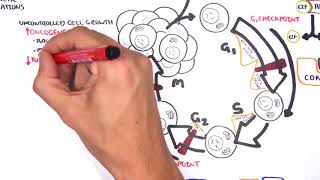
This chapter presents a comprehensive analysis of the molecular genetics underlying cancer, characterizing the disease as a process of uncontrolled eukaryotic cell division and metastasis resulting from failures in cell cycle regulation,. It distinguishes between benign tumors and malignant neoplasms, explaining how transformed cells lose contact inhibition and acquire the ability to invade surrounding tissues through metastasis,,. A significant portion of the discussion focuses on the molecular control of the cell cycle, detailing the roles of checkpoints, cyclins, and cyclin-dependent kinases (Cdks) in ensuring genomic integrity before cell division proceeds,. The text elucidates the genetic basis of cancer by contrasting sporadic nonhereditary cases with familial hereditary cancers, utilizing Knudson’s two-hit mutation model to explain the loss of heterozygosity in tumor suppressor genes like RB in retinoblastoma,,. The summary breaks down the four main classes of genes involved in carcinogenesis: proto-oncogenes, which normally stimulate growth but become dominant oncogenes through point mutations, deletions, or amplification; tumor suppressor genes, such as TP53 and BRCA1, which normally act as recessive inhibitors of cell proliferation; miRNA genes that regulate gene expression post-transcriptionally; and mutator genes that maintain DNA replication fidelity,,. Key molecular pathways are explored, including the signal transduction cascades involving growth factors and the Ras protein, the regulation of transcription factors E2F by the retinoblastoma protein (pRB), and the critical role of the p53 transcription factor in triggering DNA repair or apoptosis (programmed cell death),,. Additionally, the chapter covers the impact of viral agents, differentiating between transducing retroviruses that carry viral oncogenes and DNA tumor viruses like HPV that inactivate tumor suppressors,. Finally, the text addresses the multistep nature of tumor development, the reactivation of telomerase to achieve cellular immortality, and the mutagenic effects of environmental carcinogens, including chemicals and radiation,,.
📘 Read full blog summaries for every chapter:
https://lastminutelecture.com
📘 Have a book recommendation? Submit your suggestion here:
https://forms.gle/y7vQQ6WHoNgKeJmh8
Thank you for being a part of our little Last Minute Lecture family!
⚠️ Disclaimer: These summaries are created for educational and entertainment purposes only. They provide transformative commentary and paraphrased overviews to help students understand key ideas from the referenced textbooks. Last Minute Lecture is not affiliated with, sponsored by, or endorsed by any textbook publisher or author. All textbook titles, names, and cover images—when shown—are used under nominative fair use solely for identification of the work being discussed. Some portions of the writing and narration are generated with AI-assisted tools to enhance accessibility and consistency. While every effort has been made to ensure accuracy, these materials are intended to supplement—not replace—official course readings, lectures, or professional study resources. Always refer to the original textbook and instructor guidance for complete and authoritative information.
Повторяем попытку...

Доступные форматы для скачивания:
Скачать видео
-
Информация по загрузке: