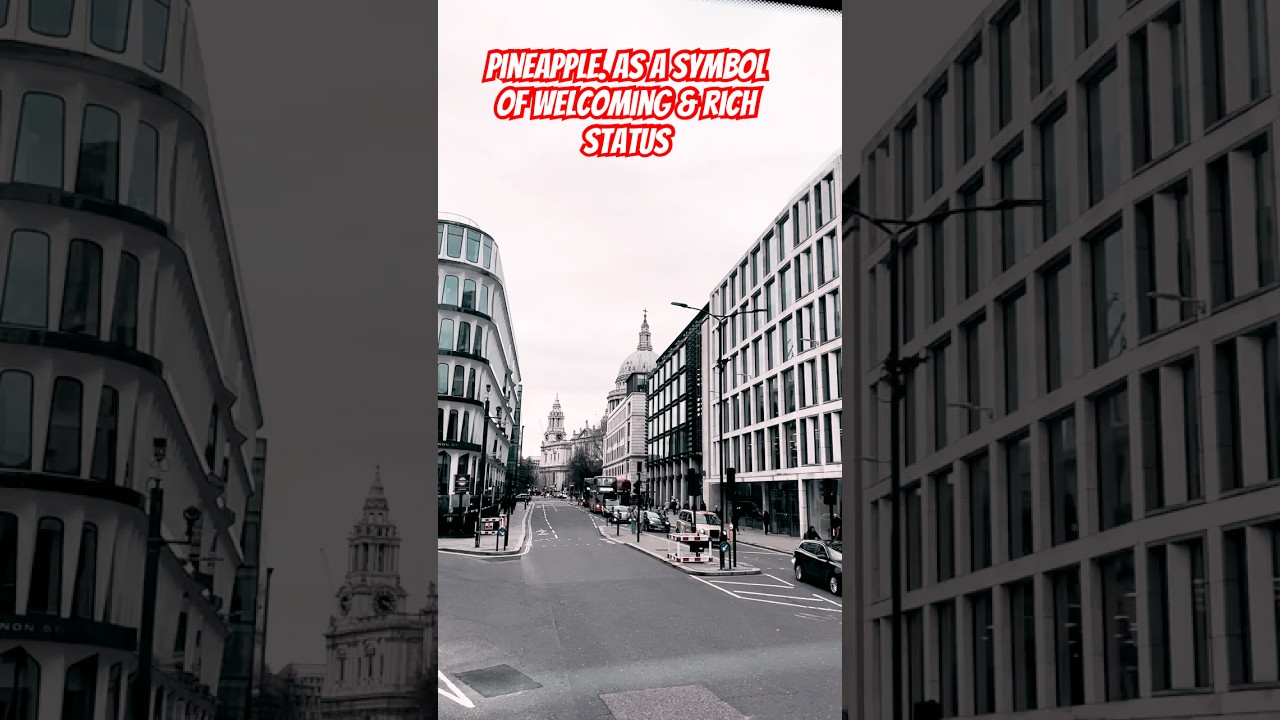
Wealthy individuals displayed pineapples as a symbol of wealth: see description
Автор: Zimbabwe Newport Volunteering Association
Загружено: 2026-01-14
Просмотров: 30
Описание:
The pineapple has strong cultural and historical links with London, primarily as an 18th-century symbol of immense wealth, status, and hospitality. Its scarcity, difficulty of cultivation, and exotic nature made it a prized luxury item in Britain.
The Pineapple as a Status Symbol
Rarity and Cost: Pineapples, not indigenous to Europe, were extremely difficult and expensive to import from the Caribbean without spoiling. The cost of a single pineapple was equivalent to thousands of pounds in modern money, comparable to buying a new car or a stagecoach with horses.
A Statement of Wealth: Wealthy individuals displayed pineapples as a centerpiece at dinner parties to impress guests, often without actually eating the fruit, until it started to rot. Enterprising people even ran pineapple rental businesses, loaning the fruit for an evening's social event.
Cultivation: Later, the ability to successfully grow pineapples in custom-built, heated greenhouses (pineries) in Britain became a sign of immense horticultural skill and an essential feature of a grand country estate.
Symbol of Hospitality: The practice of displaying such a costly item for guests eventually cemented its association with warmth, good cheer, and generous hospitality, a symbol still used by the hospitality industry today.
Pineapple Architecture and Landmarks in London
You can spot numerous decorative pineapples across London, often as architectural motifs on significant buildings and public structures, including:
St. Paul's Cathedral: The western towers are crowned with what are believed to be stone pine cones, though they are often locally considered pineapples. Christopher Wren was reportedly partial to the motif, and original drawings for the dome even considered a pineapple shape.
Lambeth Bridge: The obelisks at both ends of the bridge feature stone pineapples (or pine cones) at the top, which serve as a tribute to the 17th-century botanists John Tradescant and his son, who were credited with first cultivating the fruit in England.
Other locations:
The Pineapple pub in Kentish Town, which was specifically decorated with the motif when it opened in 1868.
Sir John Soane's tomb in St Pancras Gardens, topped with a pineapple, which inspired the design of the iconic red telephone box.
Railings and gateposts in areas like Lincoln's Inn Fields, Soho Square, and Devonshire Street, where carved pineapples were a common way for homeowners to signal their status.
The Wimbledon men's singles trophy is famously topped with a pineapple, though the exact reason is unknown.
The pineapple's journey from a rare, exotic fruit to a widespread cultural emblem highlights a fascinating period of British social history
Повторяем попытку...
Доступные форматы для скачивания:
Скачать видео
-
Информация по загрузке: