Booming fish farms help to meet shortfall caused by fishing restrictions
Автор: AP Archive
Загружено: 2021-04-05
Просмотров: 60
Описание:
(1 Jul 2015) LEAD IN:
With Israel controlling the permitted fishing zone for Palestinians living in the Gaza Strip, fishermen are struggling to meet the demand for fresh seafood.
But a boom in fish farms is seeing increasing amounts of shrimp and fish on the market, and prices are being pushed down.
STORY-LINE:
At a restaurant in the town of Rafah in the southern Gaza Strip, fresh fish are prepared with spices before being placed on the grill.
The appetite for seafood is so voracious here that keeping prices affordable for these diners has been a challenge.
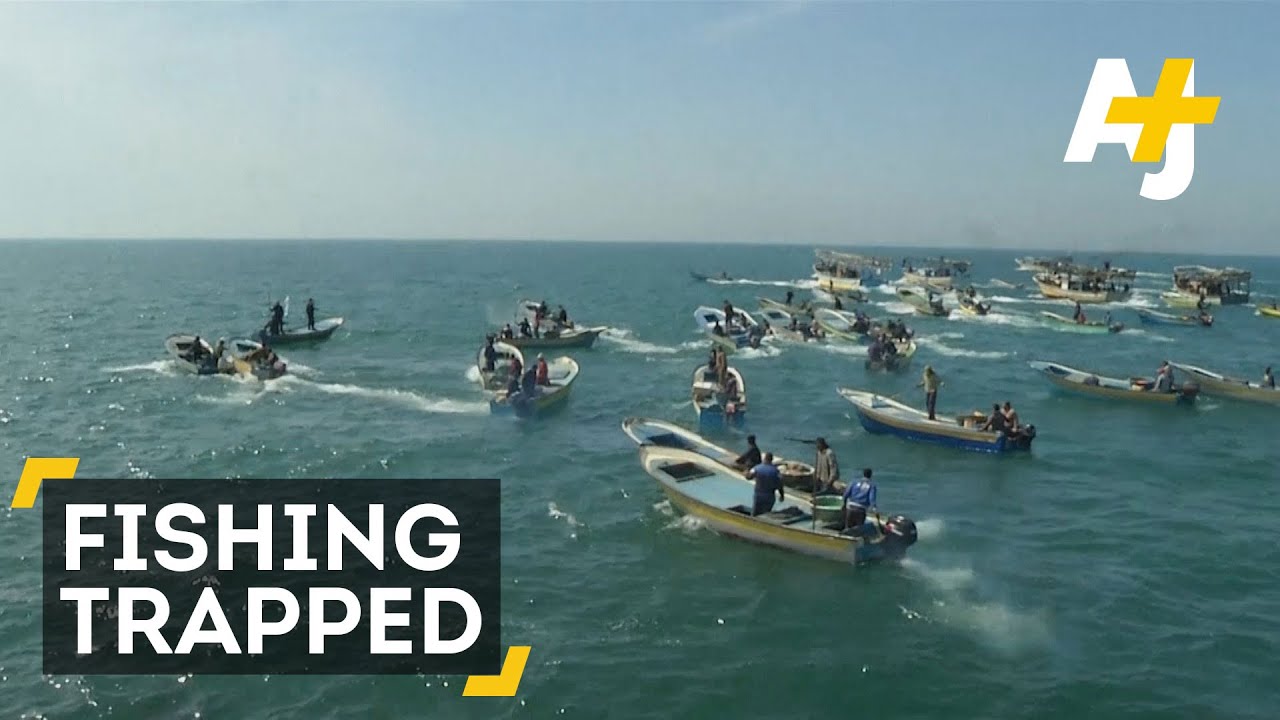
The Gaza Strip's 40-kilometre coastline on the Mediterranean had always been known for its fish, until Israel started restricting the fishing area when Hamas seized control.
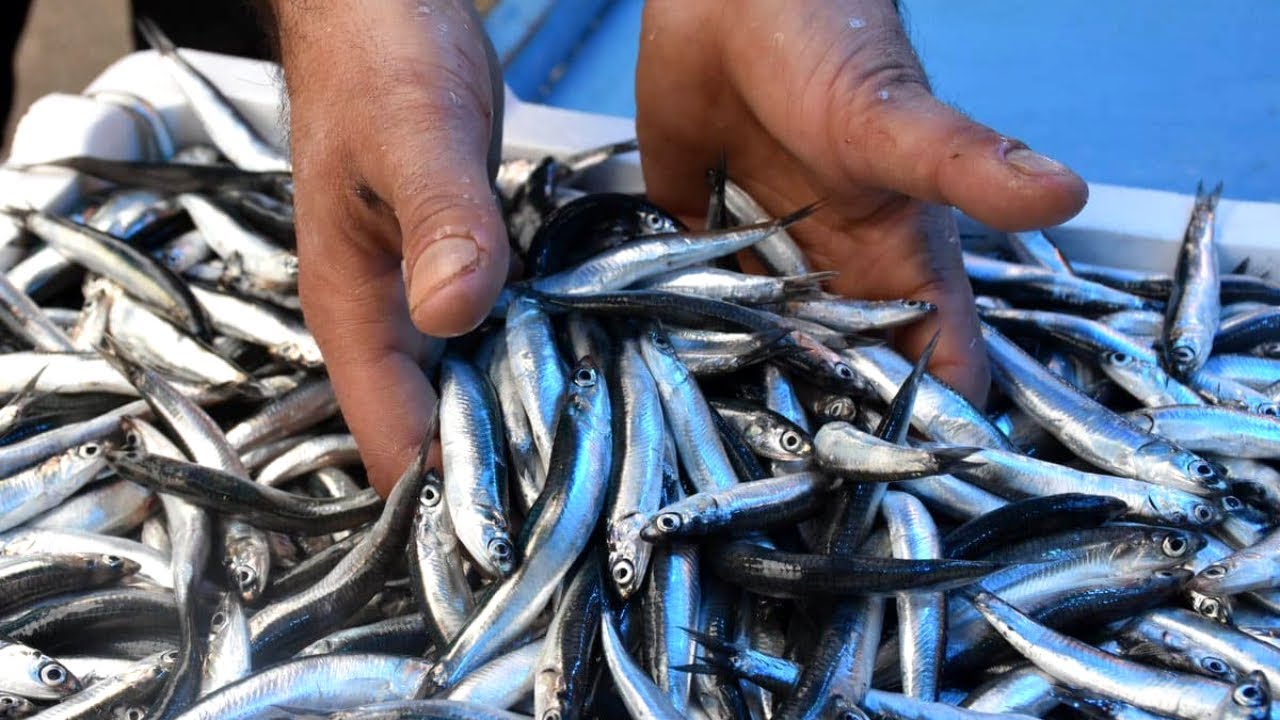
To make up for the decreased catch, Palestinians have been importing fish and other seafood from Israel or Egypt and in recent years have been building fish farms.
The farms are pushing down prices: the common sea bream can be bought for 35 shekels (9.30 US dollars) a kilogram, but another popular item, shrimp, remains extremely high for the people here, with a kilogram sometimes costing 100 shekels (26.50 US dollars).
The high prices encouraged 64 year old Rezek Al-Salmi to put his experience from a 20 year career at an Israeli fishery to use in a business of his own.
Eighteen months ago, he built a fish farm on his land on the beach of Khan Younis, in the southern Gaza Strip, where he farms shrimp.
He also farms sea bream, red mullet and red porgy fish, selling a kilogram for 20 shekels (5.30 US dollars).
His success depends on power, as Gaza suffers from a chronic electricity shortage.
It takes at least five months to grow shrimp to the right size and with generators, he's managing to mature about 70 percent of shrimp eggs.
"If the percentage of success is 90 percent I will set the price of a kilogram of shrimp at 20-30 shekels (5.30 - 8.00 US dollars). And poor people who do not know what shrimp are will be able to eat it because of this simple farm," he says.
At night, the baby shrimp emerge from the sand at the bottom of the pool, swimming fast and chasing the light.
Al-Salmi says the shrimp need clean water, waves and filtering.
"I know that shrimp breeding is very difficult. Because shrimp needs several things, not only feed. They need clean water, oxygen and the proper water temperature of not less than 12 degrees Celsius and a maximum of 25 degrees Celsius."
Walid Thabet, the fish farm director at Gaza's Ministry of Agriculture says the shrimp project will help to meet the demand that the sea fisherman can't provide.
"Consequently, there will be a reduction in prices if there are many farms and big quantities of production," Thabet says.
At Fish Fresh, the largest grower of bream in Gaza, members of the public and restaurant owners come to buy direct from the ponds.
They get to see the fish caught alive before being thrown onto the scales.
"This place is a wonderful alternative to the sea for fresh fish," says Ibrahim Moussa, who's just bought some bream for his family.
"At the sea, there is not enough fish, unfortunately, due to the blockade, and the fishermen can't get fish for all the people"
Abu el-Amir Zurob, an owner of a restaurant in Rafah, says when the sea is rough, there's barely a catch.
"Sometimes... there is no fish for five days, so there is nothing but these farms to get the fish. They helped us so much."
At the port in Gaza City, fishermen bring in their catch.
The fish farms are not a welcome development for fisherman Sami al-Hessi.
Find out more about AP Archive: http://www.aparchive.com/HowWeWork
Twitter: / ap_archive
Facebook: / aparchives
Instagram: / apnews
You can license this story through AP Archive: http://www.aparchive.com/metadata/you...
Повторяем попытку...

Доступные форматы для скачивания:
Скачать видео
-
Информация по загрузке: