Greenland’s Inuit Culture Today: Balancing Heritage and Modern Life
Автор: Back in the Day History
Загружено: 2025-07-27
Просмотров: 123
Описание:
According to Macrotrends, as of 2025, Greenland's population is approximately 56,916.
Most of its residents are Greenlandic Inuit and comprise about 85–90% of the total population.
This means that between approximately 48,379 and 51,224 individuals identify as Inuit.
Here are some fascinating historical facts about the lifestyle and culture of the Inuit people of Greenland:
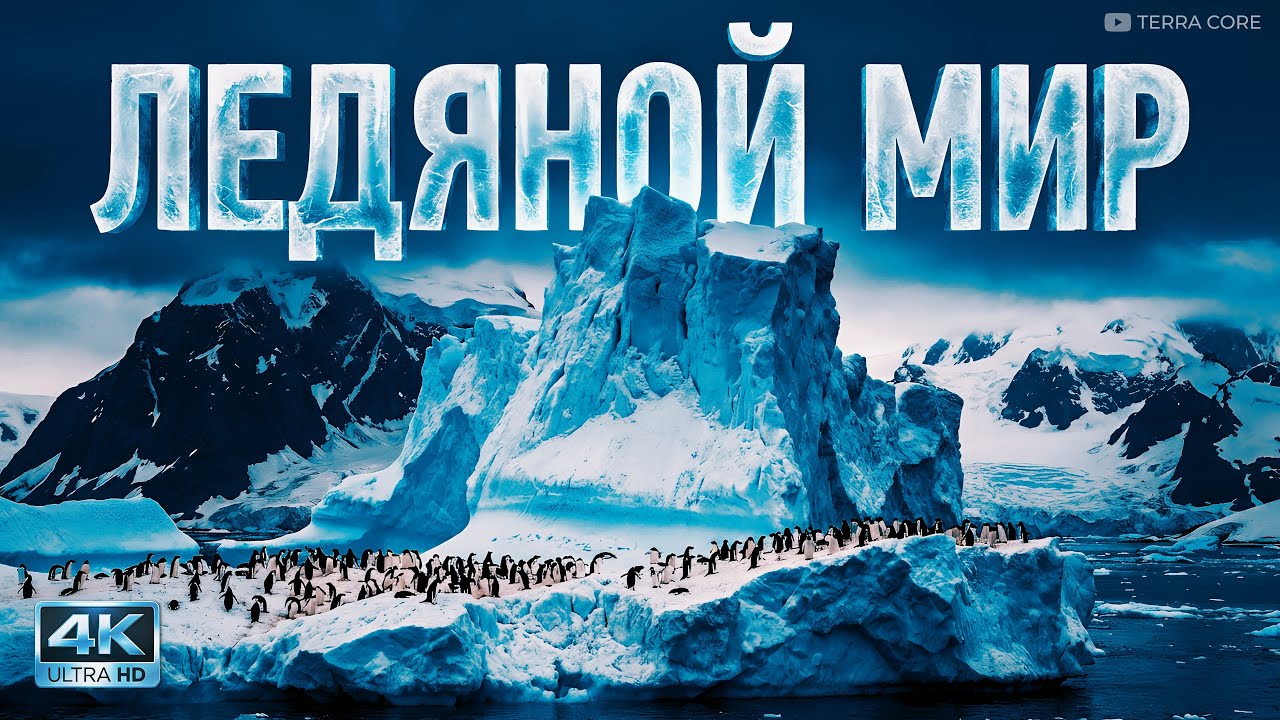
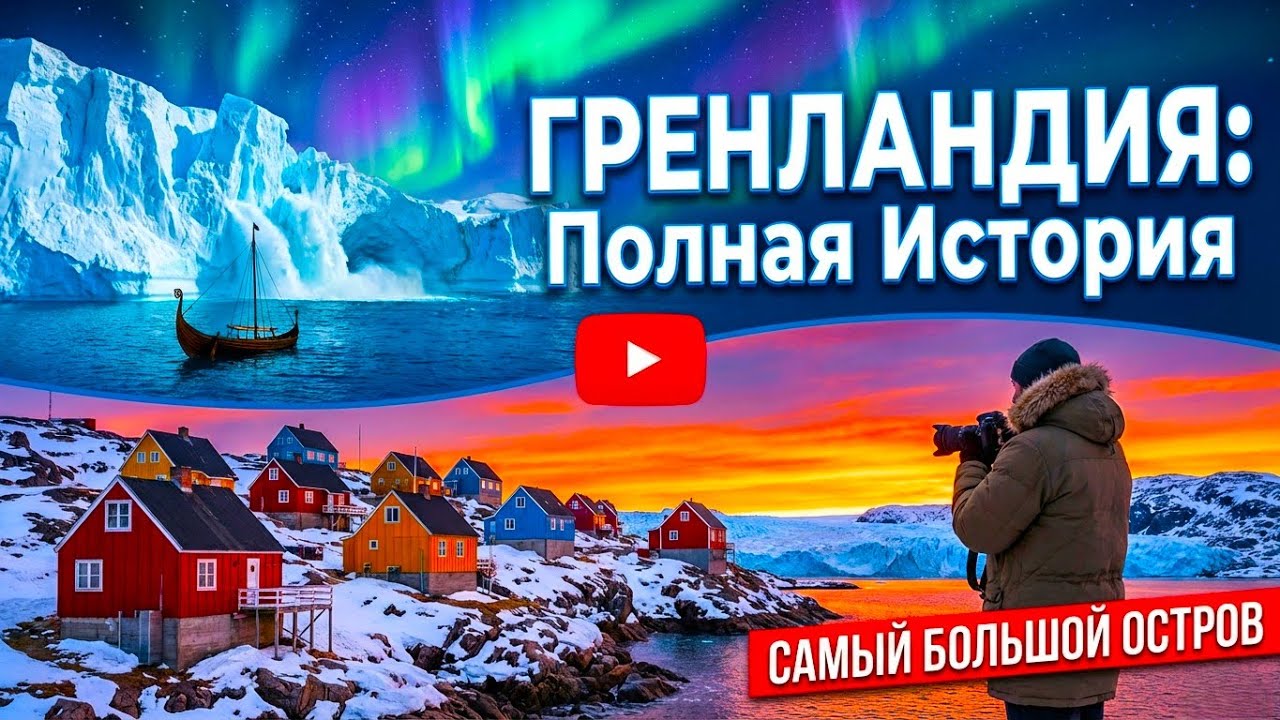
Greenland is the world’s largest island, with over 80% of its landmass covered by an ice sheet. Back in the day, the Inuit of Greenland were semi-nomadic, moving between seasonal hunting and fishing grounds.
They used small, single-passenger kayaks for hunting and larger umiaks, or open boats for transporting families and goods.
They used dogsleds, or qamutik as a primary means of transportation across ice and snow and they relied on whales, seals, walrus, and fish for food, clothing, and tools.
The traditional Inuit used seal blubber for lighting and heating homes and burned it in stone lamps called qulliq.
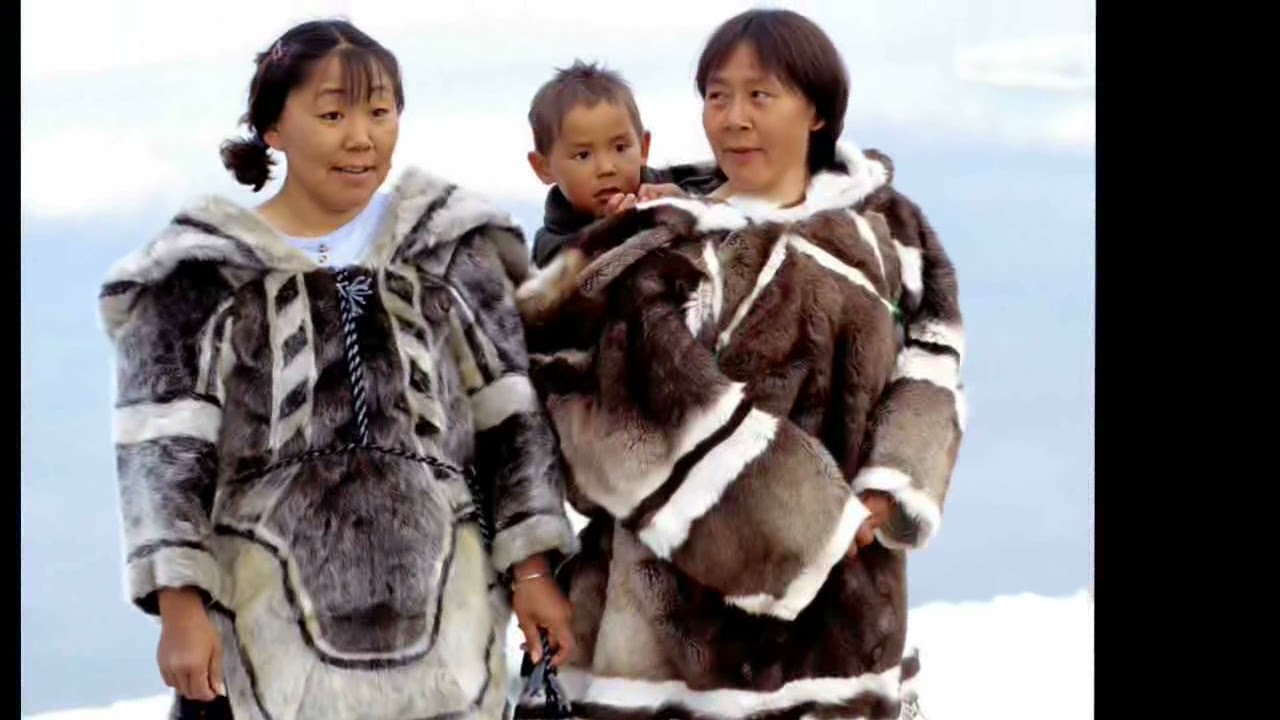
Inuit clothing was made from caribou, seal, and polar bear skins that were tailored to provide warmth in extreme cold.
In the winter, some Inuit lived in igloos, while others used sod-covered houses built with whale bones or driftwood. During warmer months, they lived in portable tents made of animal skins.
Inuit society was based on extended families, with communal child-rearing and cooperative hunting. Spiritual leaders, or angakkuq, served as healers and communicators with spirits.
Children were often named after deceased relatives to carry on their spirits and they believed in spirits inhabiting animals, the land, and celestial bodies.
The Inuit had strict cultural taboos about hunting to show respect to animals and ensure future abundance.
Women engaged in katajjaq, a unique vocal game and form of entertainment while traditional dances were accompanied by drum songs used in storytelling and celebrations.
The Inuit crafted intricate carvings from bone, ivory, and soapstone depicting daily life and mythology.
Due to the harsh Arctic climate, the Inuit ate raw meat, mattak from whale skin and blubber for its nutrients.
Traditional foods like kiviak (fermented seabirds) were prepared for survival during winter.
Danish colonization in the 18th century introduced Christianity, trade, and European goods.
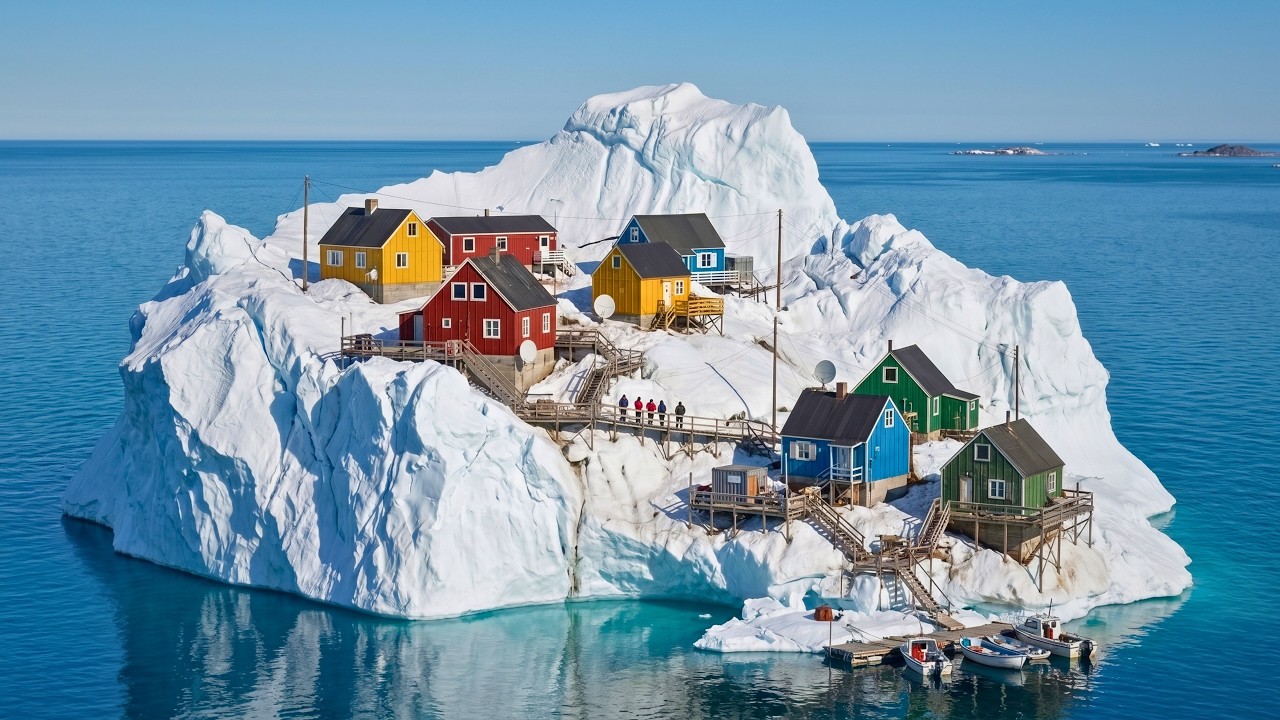
Today, many Inuit in Greenland live in modern towns. Despite modernization, many Inuit still rely on hunting and fishing for food and income, harvesting seals, whales, fish, and reindeer.
Greenland has significant deposits of minerals like zinc, lead, gold, uranium, and rare earth elements. Offshore oil and gas reserves are also present but remain largely untapped. These natural resources make them vulnerable to attack by greedy, international heads of state. It does not have its own military.
The fishing industry, particularly shrimp and halibut, is Greenland’s economic backbone, that accounts for about 90% of its exports.
Adventure tourism, including glacier hikes and Arctic wildlife exploration, is expanding but remains limited by Greenland’s remote location and harsh climate.
Greenland is an autonomous territory within the Kingdom of Denmark, that gained self-rule in 1979 and further autonomy in 2009, which allowed control over most internal affairs except defense and foreign policy.
Refer to my video on Greenland for more information or conduct your own research so that you remained informed of the current political waves regarding the lives of the Inuit people in Greenland.
@creativecommons
Visual Artists: Sabrina Belle, Renate Haase, u_59xd7pnx8q, Pixabay, Eward Curtis, Library of Congress
#Inuit #Greenland #Denmark
Check out my playlist on Histories of Indigenous People: • Histories of Indigenous People
Повторяем попытку...

Доступные форматы для скачивания:
Скачать видео
-
Информация по загрузке: