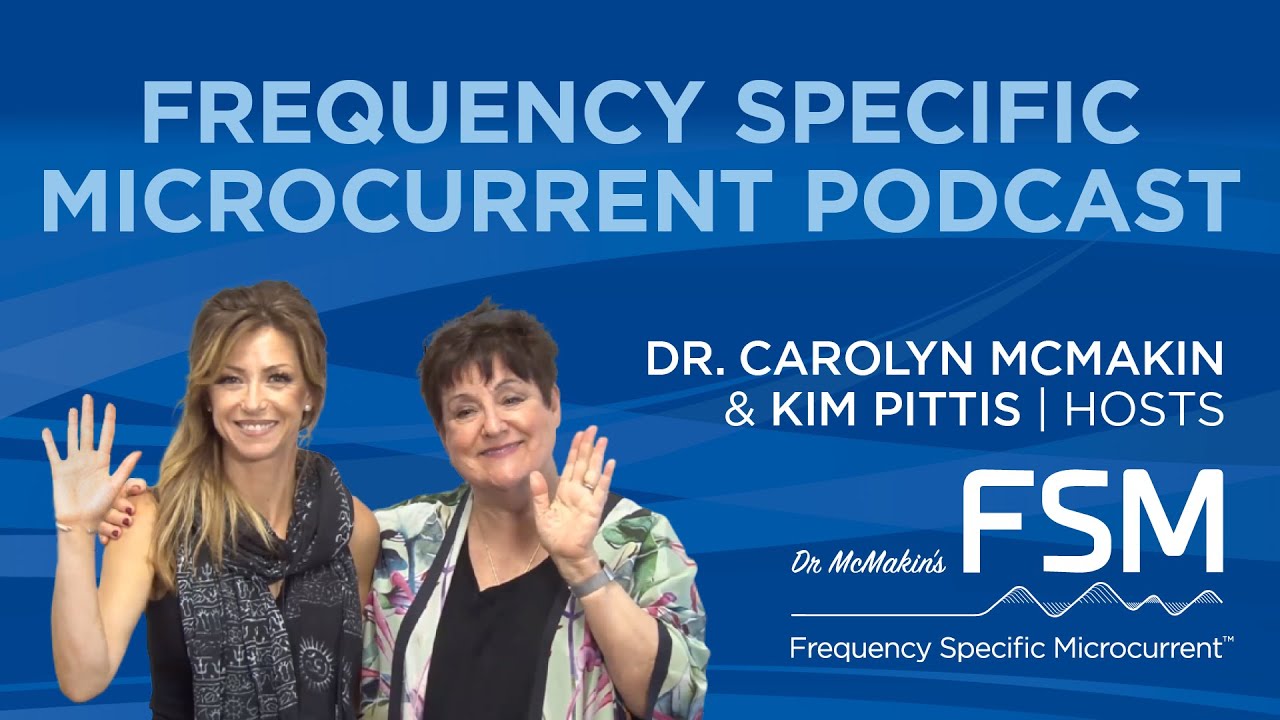
200 Episode 200, Feeling Safe, Vagus Nerve Focus, and Complex Case Progress
Автор: Frequency Specific Microcurrent
Загружено: 2026-03-02
Просмотров: 185
Описание:
In their 200th episode, Dr. Carol and Kim Pittis reflect on the podcast’s growth and discuss Frequency Specific Microcurrent (FSM) approaches that emphasize safety, realistic expectations, and layered treatment of tissue and emotions. They review a challenging case of Meige syndrome, describing trial-and-error strategies involving basal ganglia, pons, GABA, and vagus-related considerations, with partial improvement over several days. They also describe treating a long-term pain patient with hypermobility, dizziness from bilateral endolymphatic fistulas, breathing restriction from past trauma, and fear-based central sensitization, resulting in major pain relief and improved movement confidence. The hosts stress rules like “if it hurts, don’t do it,” the importance of making patients feel safe to progress through layers, and they strongly warn that sleep apnea is fatal and should not be treated with FSM.
00:00 200 Episodes Milestone - The Frequency Specific Microcurrent Podcast
01:39 Podcast Origins and Banter
04:46 Meige Syndrome Case Update
09:31 Seminars and Costa Rica Plans
11:15 Managing Expectations in Care
14:30 Safe Treatment and Antidotes
15:47 Multitasking With Machines
18:57 Safe to Move Framework
24:20 If It Hurts Dont Do It
24:55 Complex Pain Patient Breakthrough
31:42 Pain-Free Movement Breakthrough
32:36 Resetting Chronic Pain Patterns
33:37 SI Joint Case Study
35:47 Central Sensitization And Trauma
39:00 Creating Safety In Treatment
41:14 TTH For Catastrophic Histories
45:19 Energy Centers And Meridians
49:30 Fibroids And Calcification Q&A
51:41 Why Sleep Apnea Is Untouchable
54:29 Vagus Tone For Brain And Inflammation
58:50 Self-Treatment Night Program
01:00:03 Episode 200 Wrap-Up And Disclaimer
Title: Essential Aspects of Frequency Specific Microcurrent (FSM) in Medical Practice
Body:
Introduction to Frequency Specific Microcurrent
Frequency Specific Microcurrent (FSM) is a progressive therapeutic tool used by medical practitioners to treat patients with complex conditions, especially those unresponsive to conventional care. FSM operates on the principle of using specific frequencies to influence the body's cellular and systemic processes.
The Core Components of FSM Treatment
1. *Vagus Nerve Stimulation:*
One of the critical components in FSM is the treatment of the vagus nerve. It plays a vital role in reducing inflammation, improving digestion, and enhancing cognitive functions. Increased vagal tone is associated with improved patient outcomes in various conditions.
2. *Pain Management:*
FSM is particularly renowned for its efficacy in managing pain. It targets specific frequencies that address both the physical sensations of pain and the psychological components associated with chronic pain.
3. *Trauma and Emotional Frequencies:*
FSM treatment includes addressing emotional layers that contribute to physical symptoms. It is key to treat the emotional basis of pain by using specific emotional frequencies in conjunction with pain management.
4. *Specific Conditions:*
FSM can treat a range of conditions like Meige Syndrome, characterized by muscle spasms, and other neurological dysfunctions by targeting the basal ganglia and pons.
5. *Complex Patient Cases:*
FSM shows promise in complex cases where multiple systemic issues overlap. For instance, it is effective for patients with trauma histories, connective tissue disorders, and central sensitivity syndromes.
6. *Benefits in Rehabilitation:*
FSM aids in physical rehabilitation by creating a safe premise for movement, instilling confidence in movement without pain, and supporting muscular and fascial recovery.
Techniques and Devices
*Multiple Device Usage:*
Advanced FSM practitioners often use multiple devices in tandem to address different body systems simultaneously, enhancing treatment efficacy and patient response.
*CustomCare Devices:*
FSM practitioners often utilize customizable devices known as CustomCare to tailor treatments specifically to patient needs, encouraging more effective, personalized therapies.
Practical Applications
*Treatment of Sleep Apnea:*
Although FSM practitioners must be cautious not to treat conditions that are life-threatening on their own, understanding the symptoms and therapeutic needs associated with sleep apnea highlights the importance of comprehensive treatment strategies.
*Supportive Care:*
FSM is often integrated into a holistic treatment plan, including management of conditions through dietary advise, exercise, and lifestyle modifications to sustain long-term results.
Повторяем попытку...

Доступные форматы для скачивания:
Скачать видео
-
Информация по загрузке: