New Deployment of U.S. B-1B
Автор: After Action Report
Загружено: 2025-04-25
Просмотров: 84
Описание:
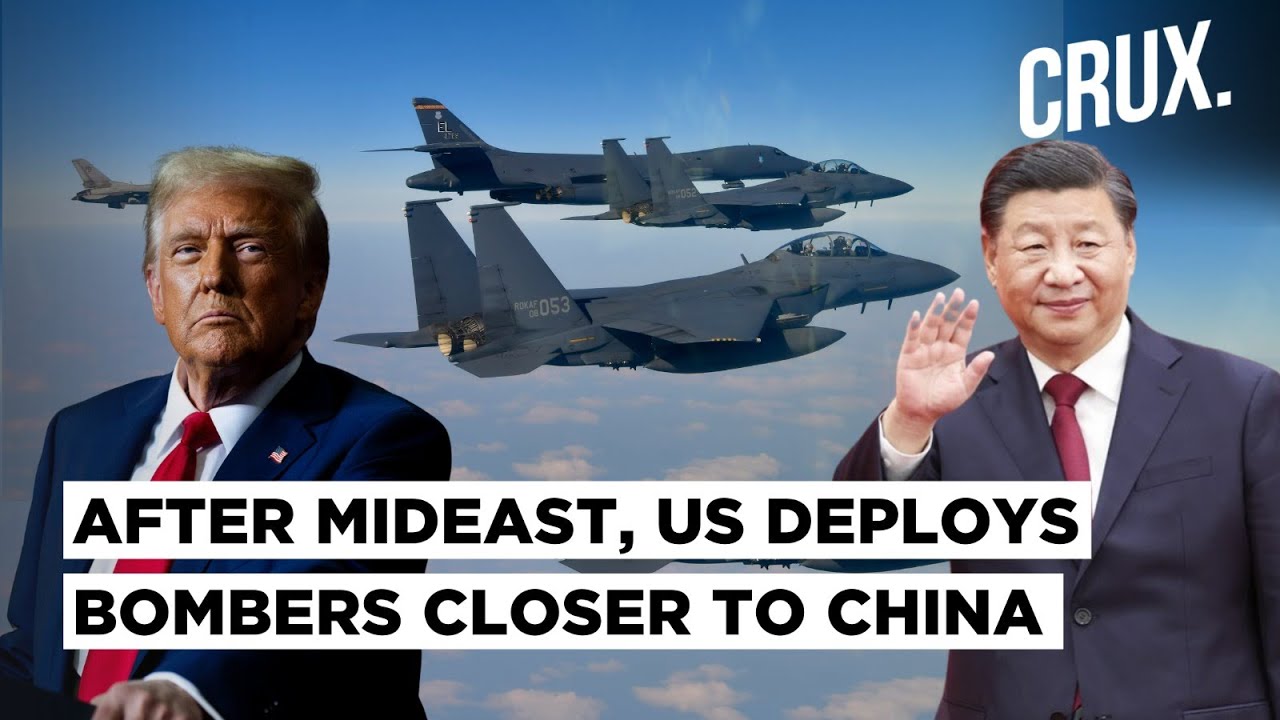
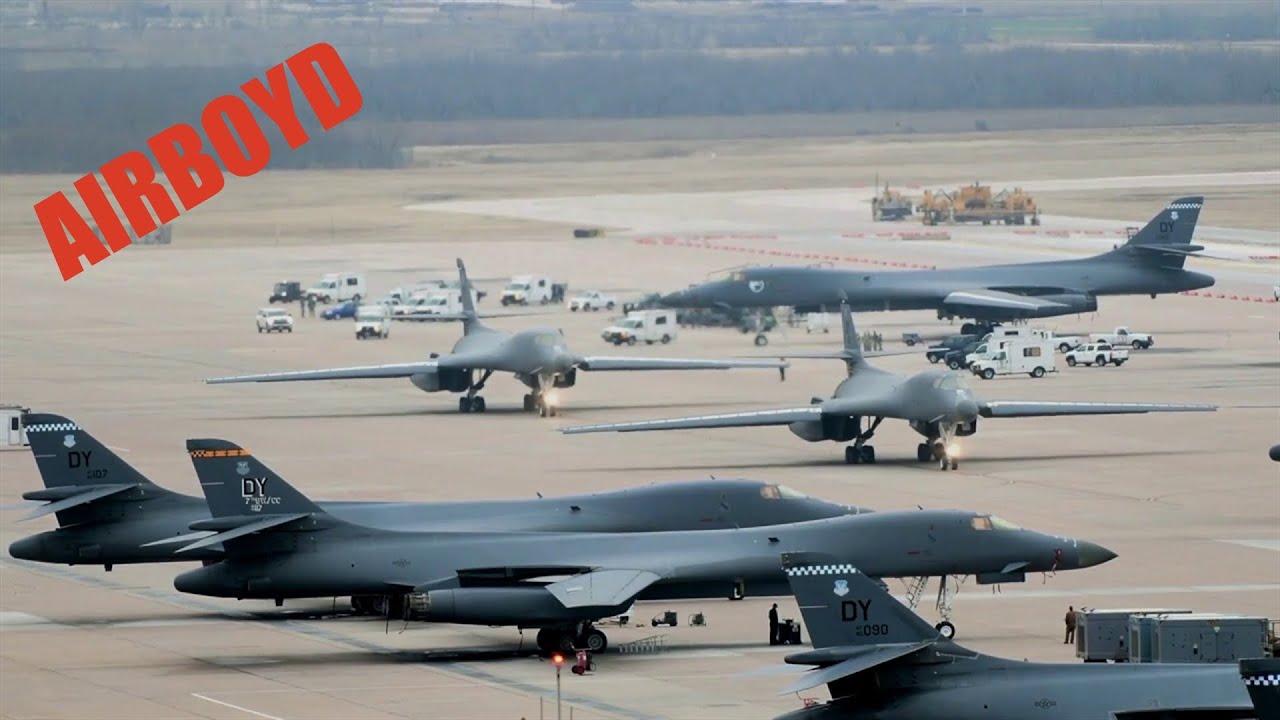
Sleek as a predator, the B-1B Lancer roars across the sky, its variable-sweep wings slicing through cloud and thunder. Born for Cold War fury, reborn for modern strike, it delivers steel and fire at supersonic speed—silent until it strikes. The Bone stays unflinching, relentless in its purpose. The recent deployment of two B-1B Lancer bombers by the United States Air Force to Misawa Air Base in Japan, commencing on April 15, 2025, marks a significant strategic shift in U.S. military posture in the Indo-Pacific region. This deployment, part of Bomber Task Force 25 2, is the first rotational Bomber Task Force mission based in Japan since the Vietnam War, reflecting heightened tensions and a recalibration of U.S. strategy in response to China's growing military presence, particularly concerning Taiwan and the South China Sea.
The deployment involves aircraft and personnel from the 9th Expeditionary Bomb Squadron, with initial reports indicating two B-1Bs, though more may join.
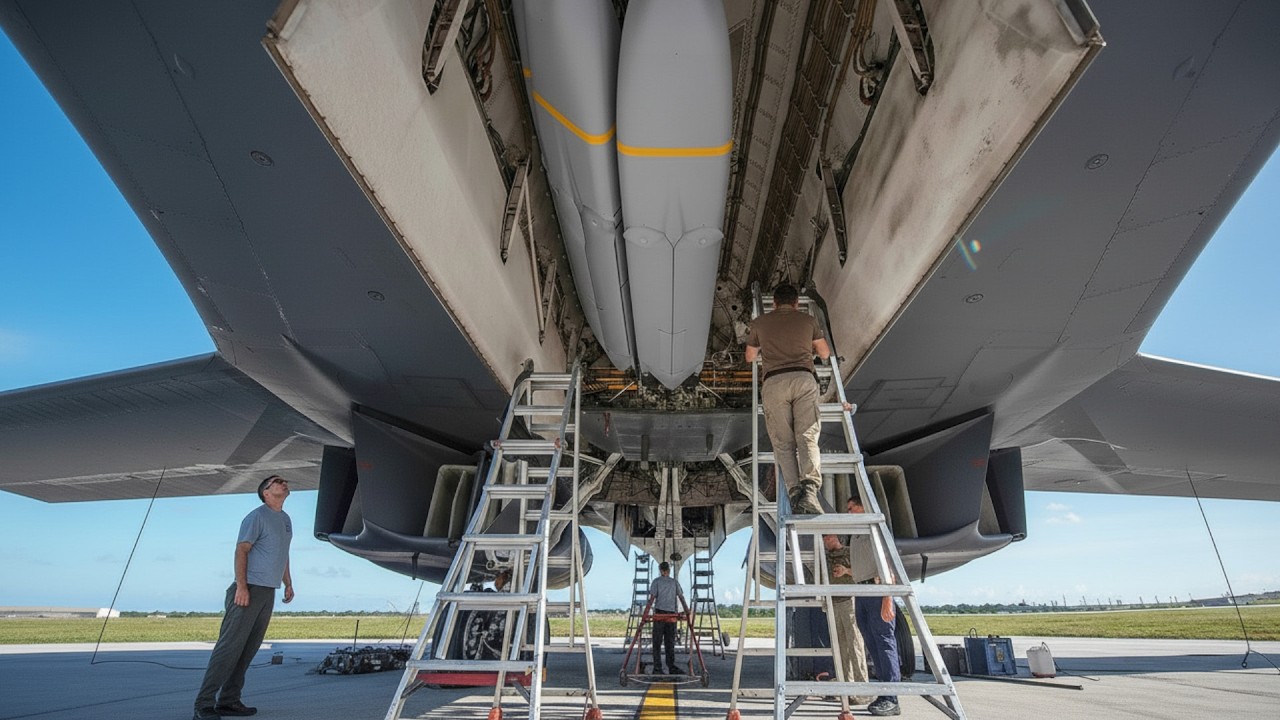
The B-1B Lancer, a supersonic bomber with a payload capacity of up to 75,000 pounds of conventional weapons and intercontinental range, is currently not equipped for nuclear missions but is capable of carrying advanced munitions like the AGM-158C Long-Range Anti-Ship Missile, relevant for maritime threats in the Pacific.
The deployment is explicitly aimed at deterring China, whose military modernization and assertive actions have raised concerns. China has been expanding its naval and air capabilities, conducting military drills near Taiwan, and asserting control over disputed areas in the South China Sea. For instance, recent sightings of nuclear-capable Chinese bombers flying in formation ahead of a military parade. The U.S. sees this deployment as a way to reinforce stability and counter China's influence, particularly in the context of Taiwan, a key flashpoint in U.S.-China relations.
Taiwan's strategic importance is evident in its inclusion in the First Island Chain strategy, which aims to restrict Chinese military access to the Pacific Ocean. The deployment enhances the U.S. ability to respond rapidly to any contingency involving Taiwan, including potential Chinese aggression. Additional U.S. reinforcements, such as two fighter jet units sent to Kadena Air Base on Okinawa earlier further underscore this strategy. Kadena, located closer to China and Taiwan, complements the B 1B deployment at Misawa, creating a layered defense posture.
The deployment of B-1B Lancers to Japan is a strategic response to China's military modernization and activities, particularly concerning Taiwan and the South China Sea. It enhances U.S. deterrence capabilities, strengthens alliances with Japan and South Korea, and reinforces the commitment to regional stability. This move underscores the complex geopolitical dynamics at play, with Taiwan remaining a critical element, in U.S. China relations.
Повторяем попытку...

Доступные форматы для скачивания:
Скачать видео
-
Информация по загрузке: