🇶🇦Qatar's break-up with OPEC | Counting the Cost
Автор: Al Jazeera English
Загружено: 2018-12-08
Просмотров: 8161
Описание:
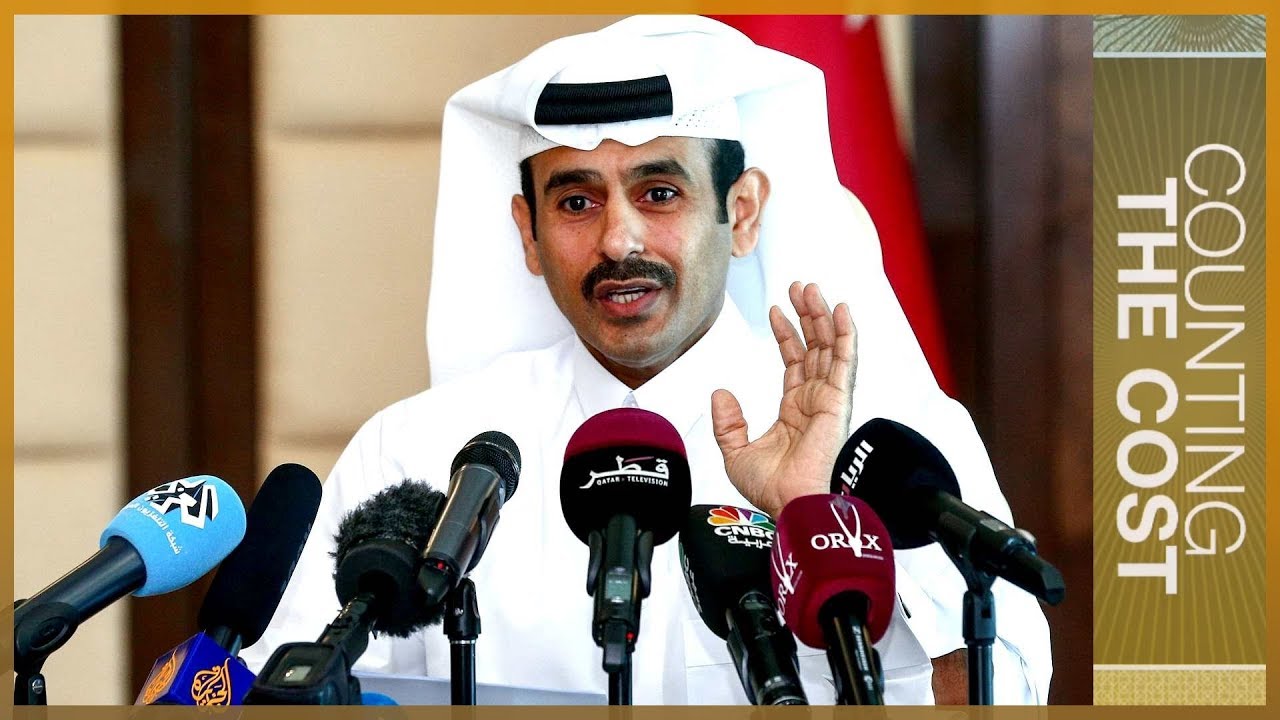
After nearly six decades of membership, Qatar, the world's largest supplier of liquefied natural gas is leaving the Organisation of the Petroleum Exporting Countries (OPEC). The Gulf state is the first Middle East nation to quit the oil cartel, saying it wants to concentrate on gas production and that the move is not political.
Qatar's decision comes at a time when questions are being raised about who's really setting global oil policy. There's a feeling that non-OPEC countries Russia and the United States are calling the shots.
Non-OPEC's power over oil markets was made very clear when OPEC oil ministers met in Vienna this week. That meeting was all about lobbying Russia to agree to any production targets. Oil heavyweight Russia isn't even a member of the cartel but it has been co-operating on production as part of the OPEC plus group.
Meanwhile, oil producers have been hit by a 30 percent plunge in crude prices since October. As Iran sanctions haven't taken as much oil off the market as expected, oversupply fears are back with a vengeance. The US is now the world's biggest crude producer and is pumping at a much better than expected rate.
Fears that Qatar's pullout may encourage other countries to leave OPEC are unfounded, according to Johannes Benigni, chairman of JBC Energy Group. "It's very difficult to understand the rationale for countries to be either in or not in the organisation. Of course there's a concentration of power for bigger players, they have something to say and their decisions of a huge impact."
"Overall, there may be many reasons [to be part of OPEC], whether it's influencing the price of oil, whether it's influencing the supply, whether it's influencing the political landscape in your domestic home country or just to have access to research."
As with OPEC's reaching out to non-OPEC countries, Benigni says that OPEC realised it cannot control the world's oil policy alone, "so they have lobbied a wider group, OPEC plus, and Russia's playing an intrumental role. Of course those countries have a big say and they can remove volume in the market, but what we've seen is when the price is high enough, you see a lot of response from the US. The US shale supply right now is probably the most pressing issue."
COP 24 and the cost of coal
UN Climate talks, known as COP 24, got underway this week in the coal mining town of Katowice, Poland. Its chosen location, right on top of Europe's biggest reserves of the fuel, wasn't an accident. Delegates have to breathe polluted air as they made their way to the venue. Their task is to create the rules to change the world's energy supply and save the planet.
Naturalist David Attenborough had this to say when he addressed the opening session on behalf of the world's people:
"Right now, we are facing a man-made disaster of global scale, our greatest threat in thousands of years - climate change. If we don't take action, the collapse of our civilisations and the extinction of much of the natural world is on the horizon."
The conference is supposed to signpost the death of coal. Globally, coal use accounts for 40 percent of Co2 emissions, so why is the coal industry still very much alive? And who will pay for saving the planet?
Also on this episode of Counting the Cost:
France's 'yellow vests' protests: The French government has backed down on a planned diesel tax hike after the worst riots in central Paris for 50 years. The so-called yellow vests movement began as a group of unhappy motorists, but has grown into a nation-wide revolt against what is viewed as an unfair tax system and an out-of-touch president, as David Chater reports from Paris.
Veronique Nguyen, of HEC Paris, told Al Jazeera's Adrian Finighan that the French government's concession comes "too late and it is too small of a concession. If it had been done three weeks earlier, they would've been able to diffuse the protests, but now the balance of power is in favour of the streets."
"The government seems to have lost control, the police seems to be overwhelmed, and the people that make up the bulk of French society, the silent majority, they're starting to realise that they have a lot of power, they have a lot of clout and they can influence the decisions. So all of their frustrations that have been simmering for years, have now been unleashed in the public space," says Nguyen.
Trade wars and the Huawei affair: Meng Wanzhou, a top Chinese telecommunications executive facing possible extradition to the US, has appeared in court as she sought bail in a case that has rattled markets and raised doubts about a fragile trade war truce between Washington and Beijing.
Subscribe to our channel: http://aje.io/AJSubscribe
Follow us on Twitter: / ajenglish
Find us on Facebook: / aljazeera
Check our website: https://www.aljazeera.com/
#AlJazeeraEnglish #OPEC #QatarLeavesOPEC
Повторяем попытку...
Доступные форматы для скачивания:
Скачать видео
-
Информация по загрузке: