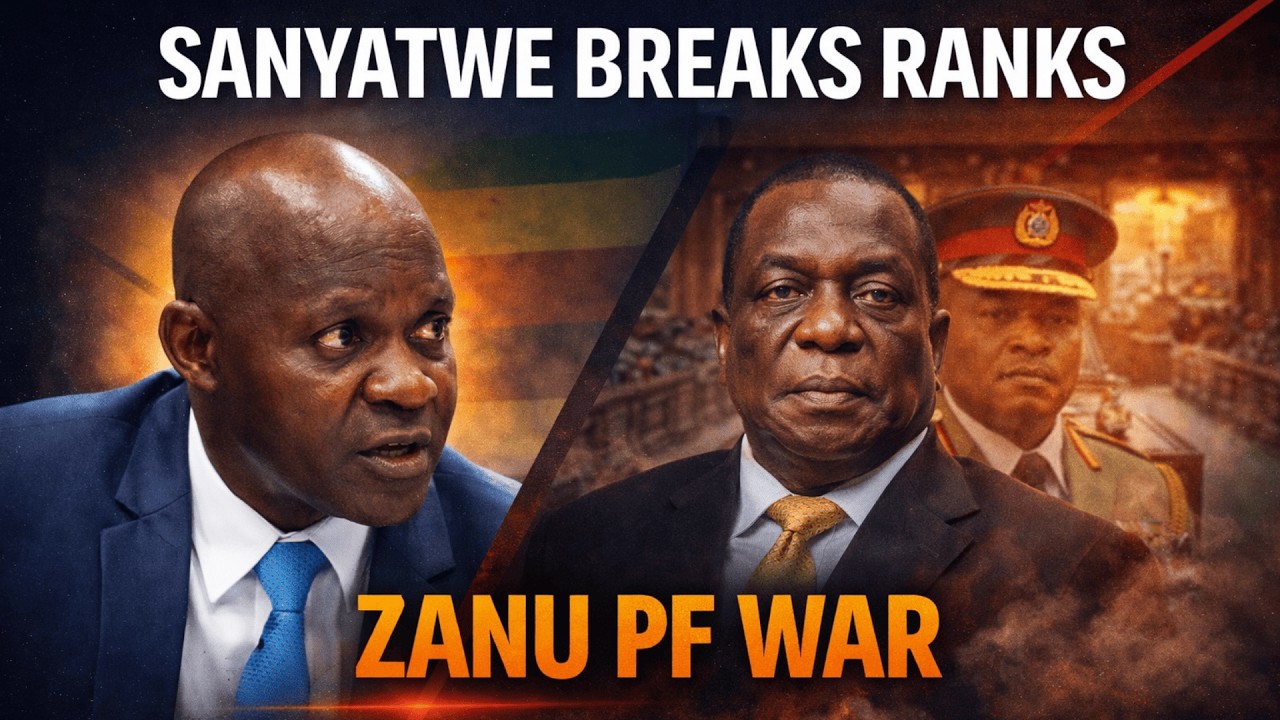
BREAKING: Mnangagwa Removes Chiwenga's First VP Position
Автор: GAMBAKWE MEDIA
Загружено: 2026-02-16
Просмотров: 9735
Описание:
BREAKING: Mnangagwa Removes Chiwenga's First VP Position
In a big shift in Zimbabwe's legal landscape, the changes to the Vice Presidency are defined by a move away from independent democratic mandates and toward a system where the Vice President is a direct extension of the President’s authority.
Here is an analysis of how the office has been reshaped by the 2021 amendments and the currently proposed 2026 changes.
1. Shift from "Running Mate" to Presidential Appointee
The most significant structural change was the removal of the Running Mate clause (Constitutional Amendment No. 2).
Loss of Independent Mandate: Originally, Vice Presidents were to be elected as a "package deal" with the President. This would have given them their own electoral mandate, making them harder to fire.
Sole Appointing Authority: The President now has the power to appoint both Vice Presidents at his own discretion. They serve "at the pleasure of the President," meaning they can be dismissed instantly without parliamentary approval or a legal hearing.
The "First" Title: While the title "First Vice President" remains (currently held by Constantino Chiwenga), it no longer represents an elected status, but rather a rank assigned by the President.
2. Diluted Succession Rights
Historically, the First Vice President was seen as the "heir apparent." The new framework changes this:
Acting vs. Succeeding: If the President dies or resigns, the Vice President who was last "nominated to act" takes over only as an Interim President.
90-Day Rule: The ruling party (ZANU-PF) has 90 days to nominate a permanent successor. This shift ensures the party leadership, rather than the constitutional order of the Vice Presidency, decides who the next President will be.
Here is a high-level breakdown of Amendments 1, 2, and the 2026 Bill (Amendment 3).
Amendment No. 1 (2017): Focus on the Judiciary
The first major change to the 2013 Constitution moved power away from independent commissions and toward the President.
Judicial Appointments: It removed the requirement for the Chief Justice, Deputy Chief Justice, and Judge President of the High Court to undergo public interviews.
Presidential Power: The President was given the authority to appoint these senior judges directly, after "consulting" the Judicial Service Commission (JSC), though he is not legally bound by their advice.
Amendment No. 2 (2021): Focus on the Executive & Succession
This was a massive, multi-part amendment that fundamentally changed the Vice Presidency.
Scrapped Running Mates: It permanently removed the requirement for Vice Presidents to be elected alongside the President. VPs are now appointed and fired solely by the President.
Judicial Tenure: It allowed the President to extend the retirement age of senior judges from 70 to 75 (on a yearly contract basis), which critics argue compromises judicial independence.
Prosecutor-General: It gave the President the power to appoint and remove the Prosecutor-General directly.
Amendment No. 3 (2026 Bill): Focus on Consolidating Control
The "Amendment No. 3" Bill (approved by Cabinet in February 2026) is the most recent and radical shift in Zimbabwe's governance.
Term Extensions: It proposes extending the presidential and parliamentary terms from 5 years to 7 years. This would potentially allow the current administration to remain until 2030.
Ending Direct Elections: The President would no longer be elected by the public. Instead, the President would be elected by Parliament.
Institutional Alignment: It aims to "harmonize" the constitution with party-led governance, moving further away from the 2013 model of direct democratic mandates.
Повторяем попытку...

Доступные форматы для скачивания:
Скачать видео
-
Информация по загрузке: