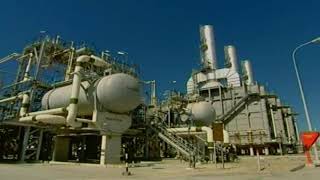
127 Draining of Aboveground Petroleum Storage Tanks
Автор: PETROSULT
Загружено: 2024-04-09
Просмотров: 432
Описание:
/ @petrosult9821
Aboveground petroleum storage tanks are industrial containers designed to store various types of petroleum products, including crude oil, gasoline, diesel, jet fuel, and lubricants, among others.
Draining of aboveground storage tanks refers to the process of removing the contents, which may include petroleum products such as gasoline, diesel, or crude oil, from the tank for various purposes such as maintenance, inspection, cleaning, or decommissioning.
This process typically incrporates the use of pumps, gravity flow, or specialized equipment to extract the stored liquids from the tank and transfer them to designated storage containers, transport vehicles, or disposal facilities.
Draining is essential for ensuring product quality, preventing contamination, facilitating maintenance activities, and complying with regulatory requirements related to environmental protection and safety. It includes careful planning, risk assessment, and adherence to established procedures to minimize the risk of spills, leaks, or accidents during the process.
Reviewing the Material Safety Data Sheet (MSDS) for the petroleum product stored in the tank is a crucial aspect of ensuring safety, regulatory compliance, and environmental protection. The MSDS provides detailed information about the specific petroleum product stored in the tank, including its chemical composition, physical properties, and any hazardous ingredients present. This information helps personnel understand the nature of the product being handled and the potential risks associated with it.
By familiarizing themselves with the information provided in the MSDS, such as; product identification, hazards identification, first aid measures, firefighting measures, accidental release measures, handling and storage, exposure controls and personal protection, physical and chemical properties, toxicological information and ecological information, personnel can effectively manage risks associated with handling, storing, and transporting petroleum products and respond appropriately to emergencies or incidents.
Drain the tank of all remaining petroleum product using pumps, gravity flow, or other appropriate methods. Thoroughly clean the tank to remove any residual product, sludge, or contaminants. Dispose of waste materials in accordance with regulatory requirements.
Before draining the tank, a comprehensive review of relevant regulations and standards is conducted to ensure compliance with local, state, and federal requirements. This includes regulations from agencies such as the Environmental Protection Agency (EPA), Occupational Safety and Health Administration (OSHA), and industry standards set by organizations like the American Petroleum Institute (API) or the National Fire Protection Association (NFPA).
Повторяем попытку...

Доступные форматы для скачивания:
Скачать видео
-
Информация по загрузке: