The Underground Village # Coober Pedy # Australia
Автор: Sohini Bodhak
Загружено: 2017-06-25
Просмотров: 298
Описание:
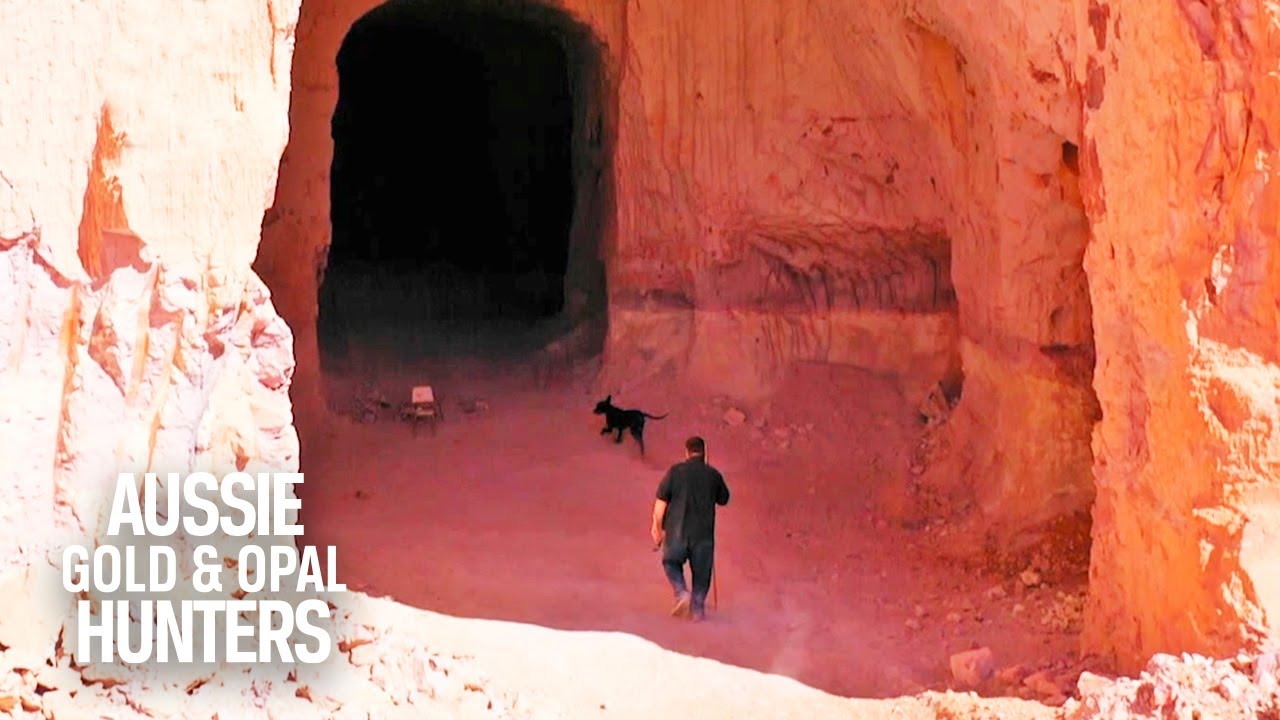
Coober Pedy is a town in northern South Australia, 846 km north of Adelaide on the Stuart Highway. According to the 2011 census, its population was 1,695 (953 males, 742 females, including 275 indigenous Australians). The town is sometimes referred to as the "opal capital of the world" because of the quantity of precious opals that are mined there. Coober Pedy is renowned for its below-ground residences, called "dugouts", which are built in this fashion due to the scorching daytime heat. The name "Coober Pedy" comes from the local Aboriginal term kupa-piti, which means "boys’ waterhole".
Opal was found in Coober Pedy on 1 February 1915; since then the town has been supplying most of the world's gem-quality opal. Coober Pedy today relies as much on tourism as the opal mining industry to provide the community with employment and sustainability. Coober Pedy has over seventy opal fields and is the largest opal mining area in the world.
Aboriginal people have a long-standing connection with the area. The first European explorer to pass near the site of Coober Pedy was Scottish-born John McDouall Stuart in 1858, but the town was not established until after 1915, when opal was discovered by Wille Hutchison.
The harsh summer desert temperatures mean that many residents prefer to live in caves bored into the hillsides. A standard three-bedroom cave home with lounge, kitchen, and bathroom can be excavated out of the rock in the hillside for a similar price to building a house on the surface. However, dugouts remain at a constant temperature, while surface buildings need air conditioning, especially during the summer months, when temperatures often exceed 40 °C (104 °F). The relative humidity rarely gets over 20% on these hot days, and the skies are usually cloud-free. The average maximum temperature is 30–32 °C (86–90 °F), but it can get quite cool in the winter.
Coober Pedy is a very small town, about halfway between Adelaide and Alice Springs. It has become a popular stopover point and tourist destination, especially since 1987, when the sealing of the Stuart Highway was completed.
Visitors attractions in Coober Pedy include the mines, the graveyard and the underground churches . The District Council of Coober Pedy estimates the population to be around 3,500. Approximately 60% of the people are European, migrating from southern and eastern Europe after the Second World War. In all, there are more than 45 nationalities represented.
The town also has an Australian rules football club, the Coober Pedy Saints, who were created in 2004 and compete in the Far North Football League .
Coober Pedy has a desert climate. Typical of a desert climate, diurnal ranges are wider than in most places, with an annual average high of 27.5 °C (81.5 °F) and an annual average low of just 14.1 °C (57.4 °F). From December to February, the weather warms up and summer temperatures range from 35 °C (95 °F) in the shade, with occasional dust storms. The annual rainfall in the area is low and amongst the lowest in Australia, at around 130 millimetres (5.1 in) per annum.
Повторяем попытку...

Доступные форматы для скачивания:
Скачать видео
-
Информация по загрузке: