Salcedo Lagoon Wetland Restoration, Colombia, South America
Автор: Luis Torres
Загружено: 2026-02-19
Просмотров: 16
Описание:
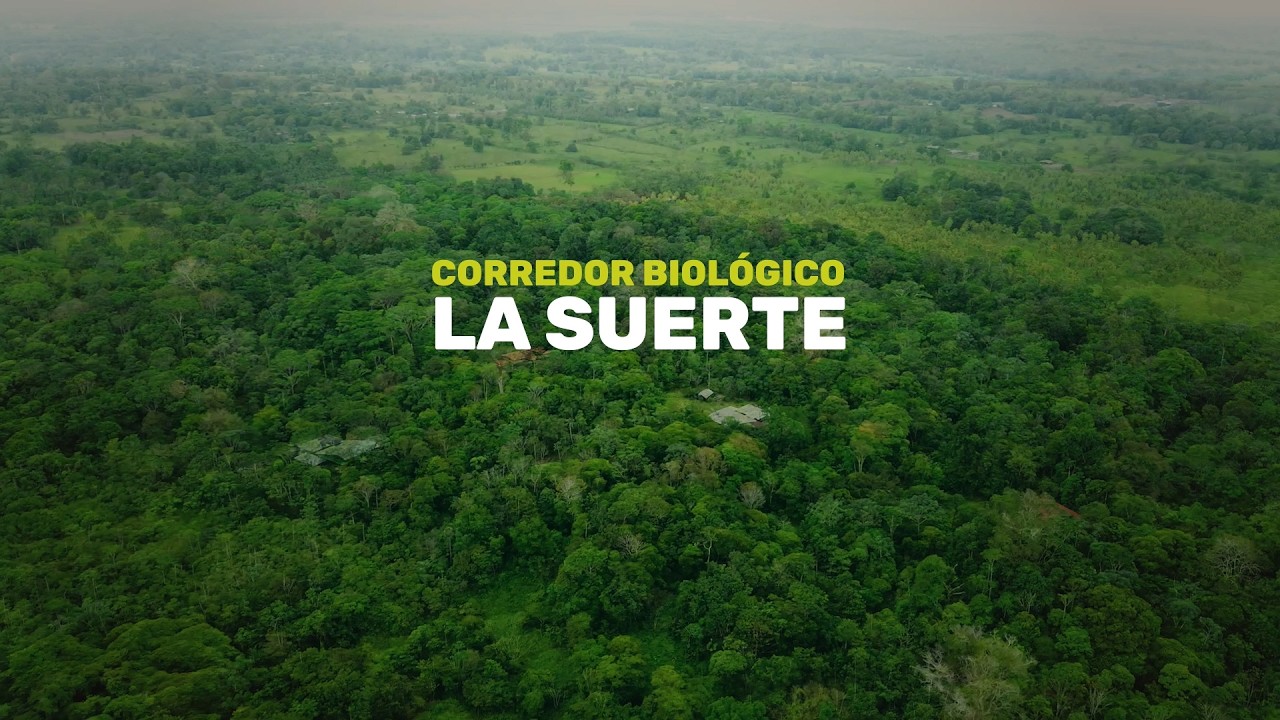
Salcedo Lagoon Wetland is located in the village of Salcedo, Apulo, Colombia, at coordinates 940908 East and 993295 North. This wetland covers an area of 2.95 hectares and is situated at approximately 800 meters above sea level.
Based on environmental impact study results and physicochemical analyses of water quality in the area of influence and location of Salcedo Lagoon, a high degree of deterioration is evident in the wetland. One of the most alarming consequences is the impossibility of sustaining aquatic life due to dissolved oxygen levels and Biological Oxygen Demand (BOD). Therefore, it is essential and urgent to implement an Environmental Management Plan that is deeply representative and emblematic for the population and that ensures their participation in the short, medium, and long term.
Nutrient cycles are severely affected in Salcedo Lagoon Wetland and its area of influence due to human activities. Deforestation, agriculture, and livestock have significantly reduced native vegetation and flora, leaving much of the fauna without habitat and food, causing migration.
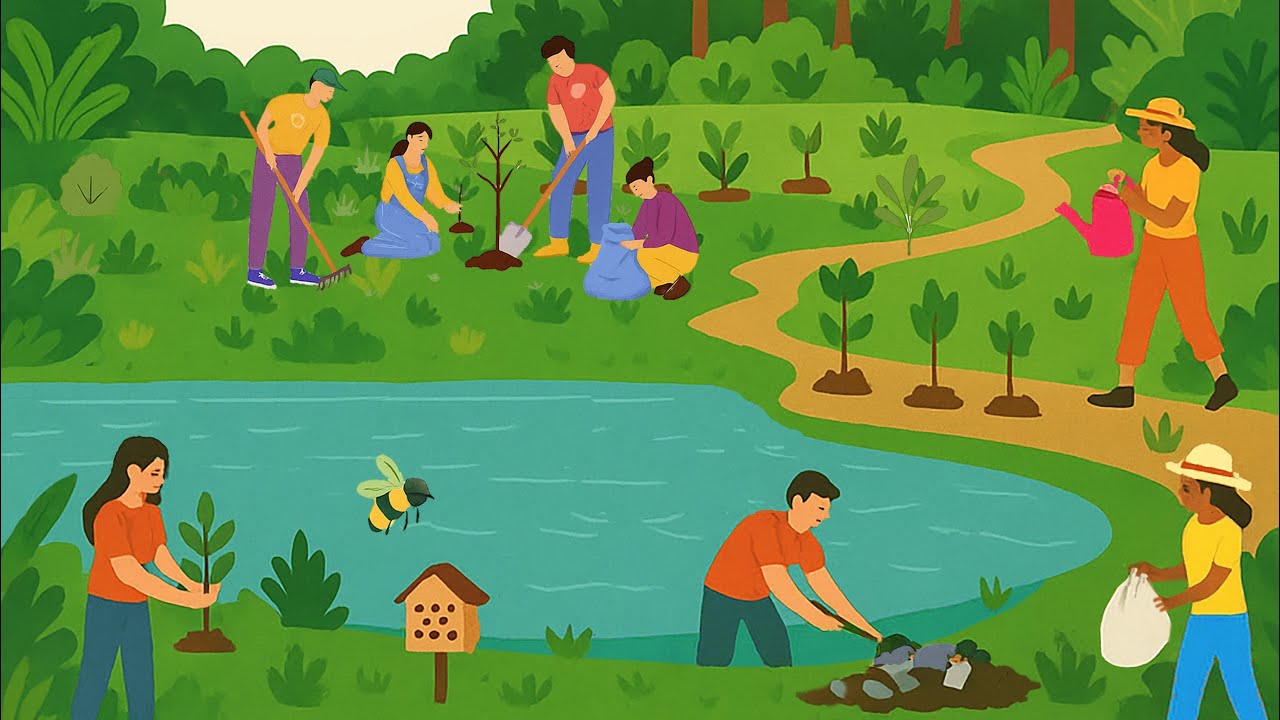
The main focus of our proposal is an environmental management plan with a community-based approach that includes not only the participation of local groups in restoring suitable wetland habitat and its biogeochemical cycles, but also, and significantly, a vision grounded in knowledge of the ancestral and cultural legacy of this important site. This will promote deeper community roots and become a solid foundation where identity and commitment transcend generations.
In this regard, we draw inspiration from the way traditional knowledge holders, elders, and Mamos from Colombia’s biogeographic regions—who contribute to its natural richness—educate generations through mythical narratives. Salcedo Lagoon is known for its legends, especially the belief that it was a “fierce” lagoon requiring offerings (such as salt, hence its name). It was also called the “Sacred Lagoon of Guacana” by the original Panche peoples, who considered it an important ceremonial site.
Therefore, the environmental education calendar will include knowledge and dissemination of ancestral traditions that promote respect for nature and the perception of humans as children and servants of nature rather than its masters.
Повторяем попытку...
Доступные форматы для скачивания:
Скачать видео
-
Информация по загрузке: