Hemolytic Disease of the Newborn HDN ; Definition, Causes, symptoms, Diagnosis, Treatment
Автор: MBBS NAIJA
Загружено: 2025-04-10
Просмотров: 324
Описание:
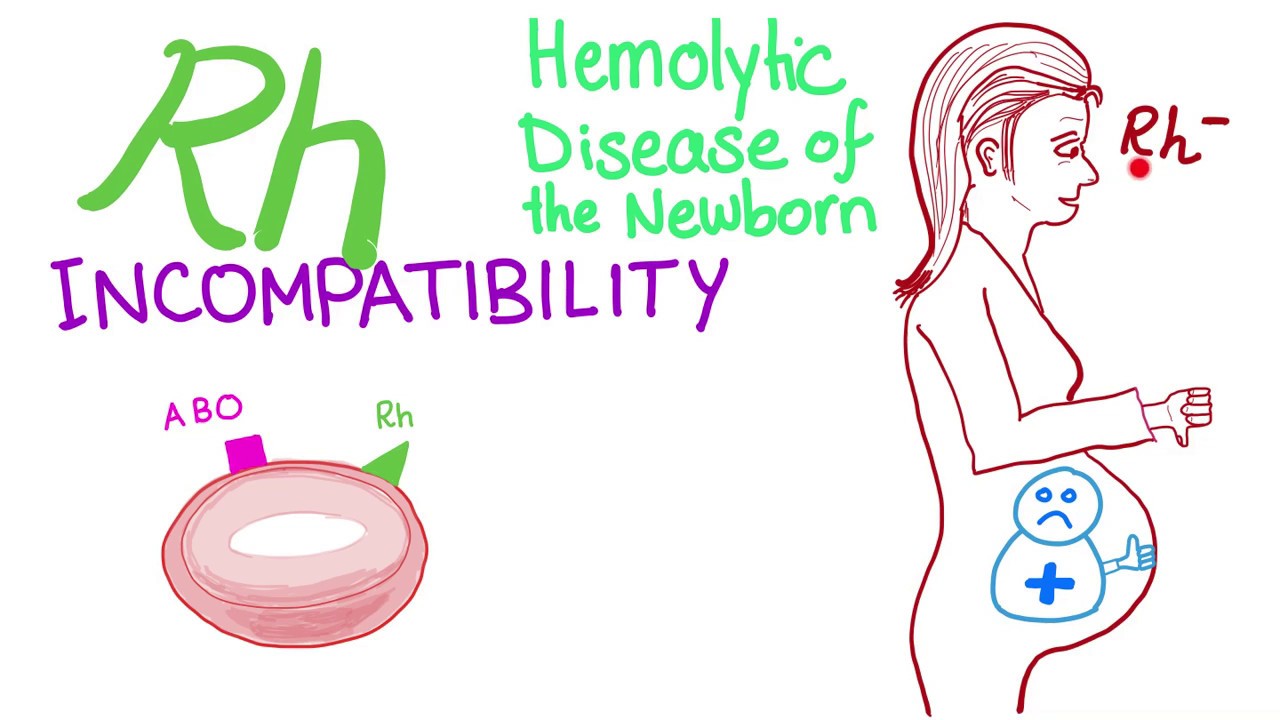
Hemolytic Disease of the Newborn (HDN) is a condition that occurs when the immune system of a pregnant woman produces antibodies that attack and destroy the red blood cells of her baby. This results in hemolysis, or the breakdown of red blood cells, leading to complications for the baby. Here’s a detailed explanation:
Causes
Rh Factor Incompatibility: This happens when the mother is Rh-negative and the baby is Rh-positive. The mother’s immune system develops antibodies against the baby’s Rh-positive red blood cells, especially in subsequent pregnancies.
ABO Blood Group Incompatibility: In this case, the mother’s blood type (usually group O) is incompatible with the baby’s blood type (A, B, or AB). Unlike Rh incompatibility, this can occur even during the first pregnancy.
Other Causes: Rarely, HDN can result from incompatibility involving other blood group systems like Kell or Duffy.
Symptoms in the Baby
Anemia: Due to the destruction of red blood cells.
Jaundice: High bilirubin levels from hemolysis, causing yellowing of the skin and eyes.
Enlarged Organs: Such as the liver and spleen, as they work to compensate for the loss of red blood cells.
Hydrops Fetalis: A severe form of HDN where fluid accumulates in the baby's tissues, leading to swelling.
Kernicterus: A dangerous complication caused by excessive bilirubin affecting the brain, potentially leading to long-term neurological damage.
Diagnosis
Maternal Testing: Blood type and Rh factor testing, along with antibody screening, during prenatal visits.
Fetal Monitoring: Ultrasound and Doppler studies to check for anemia and other complications.
Postnatal Tests: The baby’s blood type, Rh status, bilirubin levels, and Coombs test to detect antibodies on the baby's red blood cells.
Treatment
Preventive Measures:
Rh-negative mothers are typically given Rho(D) immune globulin (RhoGAM) during pregnancy and after delivery to prevent Rh sensitization.
Prenatal Interventions:
Severe cases may require intrauterine blood transfusions to support the baby’s red blood cell count.
Postnatal Care:
Phototherapy for jaundice to break down excess bilirubin.
Exchange transfusions to replace the baby’s damaged blood cells
#Hemolysis
Повторяем попытку...

Доступные форматы для скачивания:
Скачать видео
-
Информация по загрузке: