logP (Partition Coefficient) and Lipid Solubility of Drugs || Junaid Asghar PhD
Автор: Junaid Asghar PhD
Загружено: 2021-02-10
Просмотров: 20279
Описание:
Why 1-Octanol?
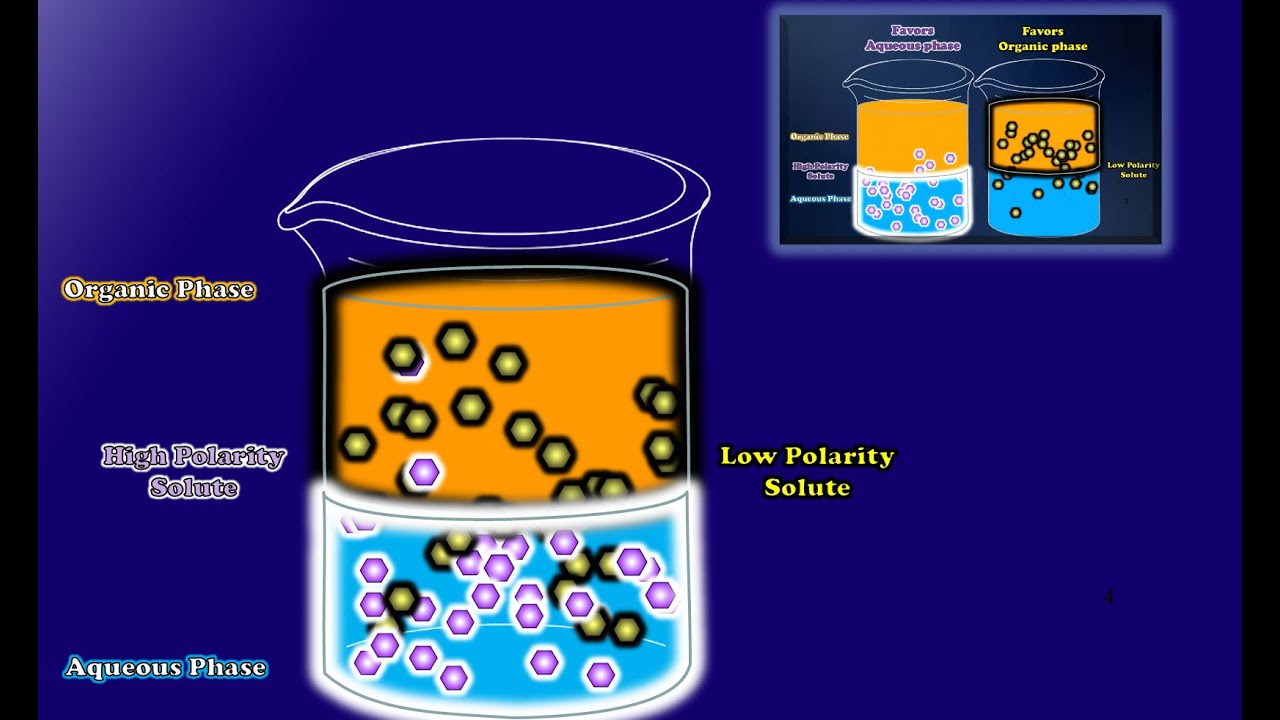
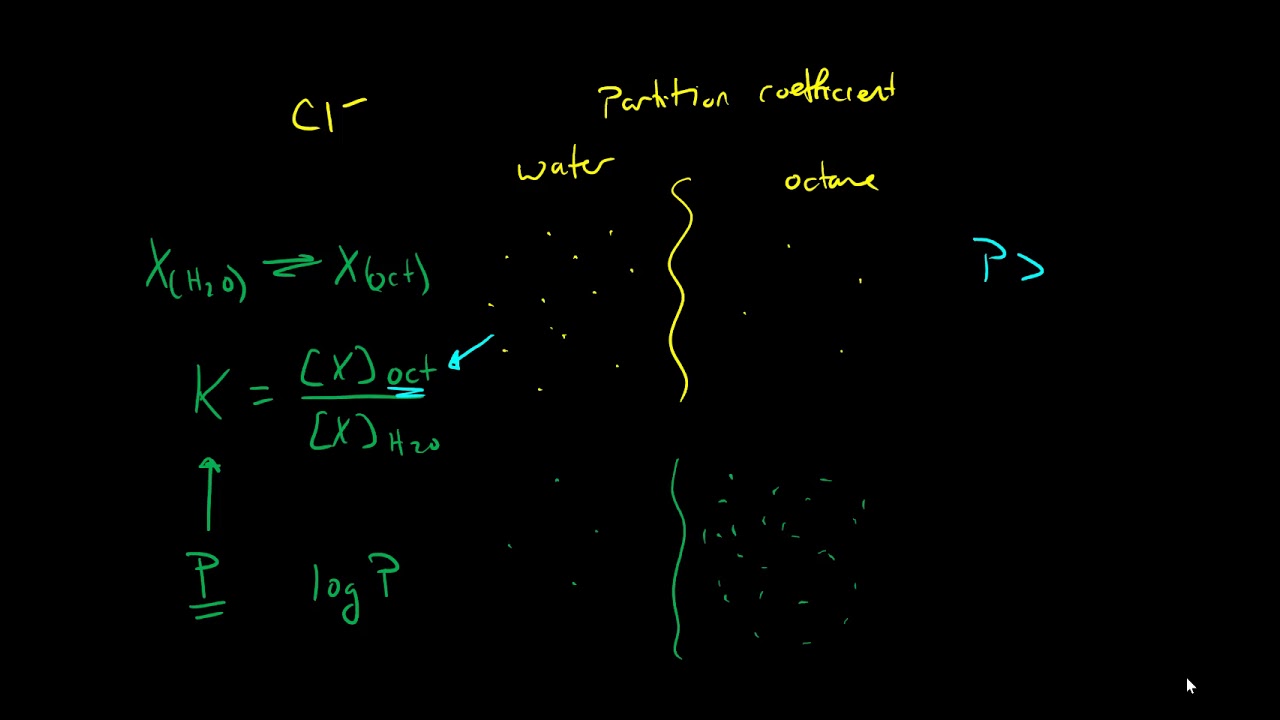
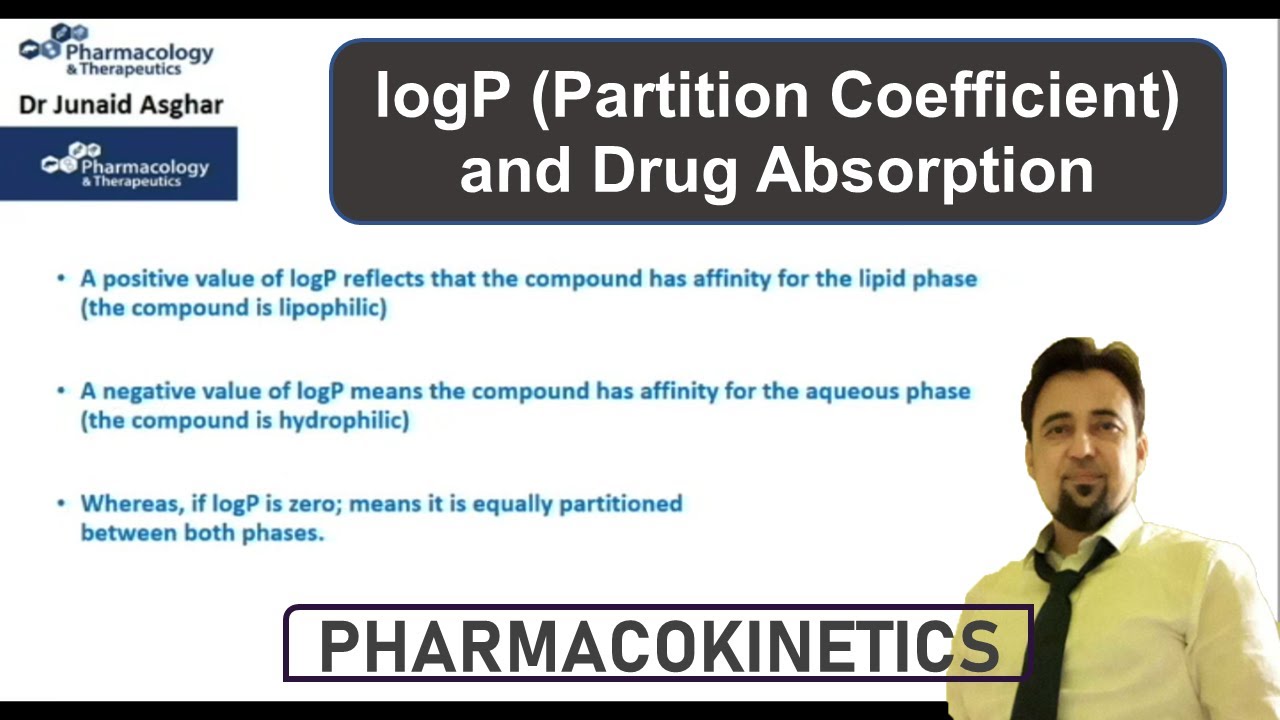
You could, in theory, use any non-polar solvent that is immiscible with water for the determination of logP. However, the properties of 1-octanol are thought to resemble those of lipid bilayer membranes rather well (i.e., the distribution of chemicals/drugs into 1-octanol simulates their ability to passively diffuse across membranes in living systems). Until someone discovers a better solvent system, water/1-octanol will remain as the standard.
Under the European Union’s chemicals legislation, logP has to be determined for every substance manufactured or imported in 1 ton or more per year.
logP of a compound can be determined by high-performance liquid chromatography (HPLC). Because compounds differ widely in their solubilities and analytical properties, various analytical methods have been used for this purpose, such as acid/base titration, ultraviolet (UV) photometry, gas chromatography analysis, and other chromatographic techniques.
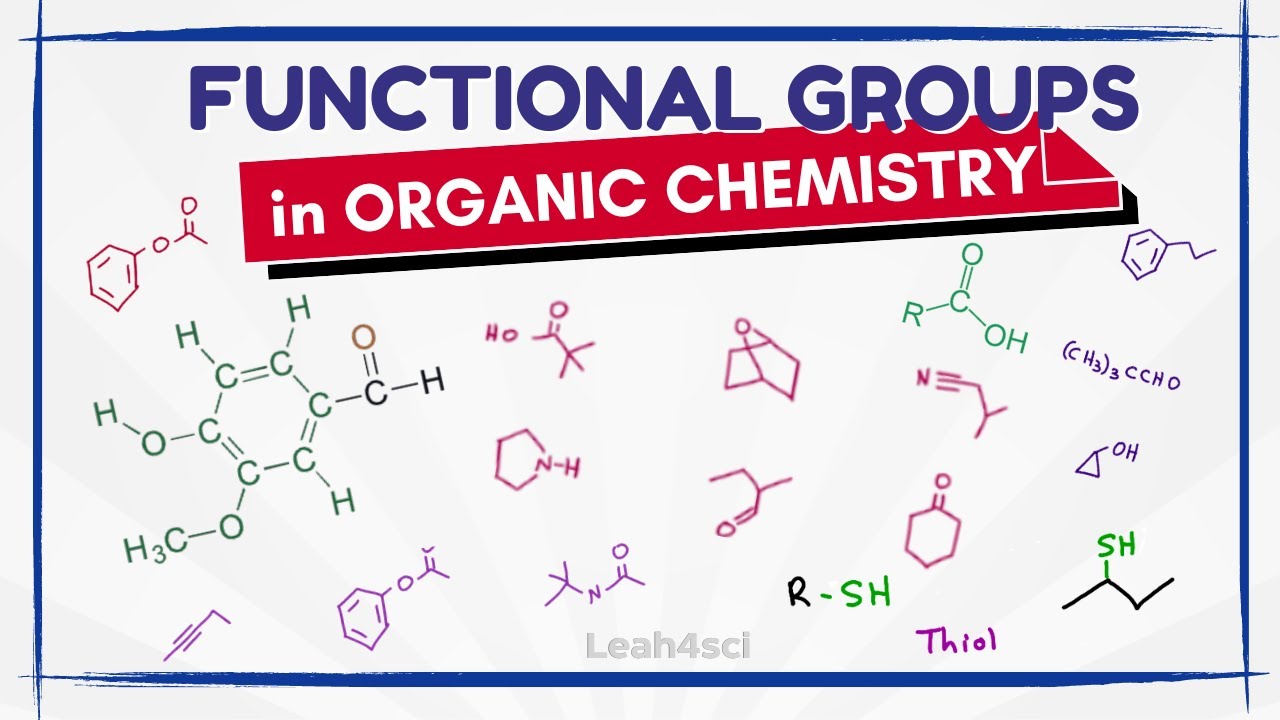
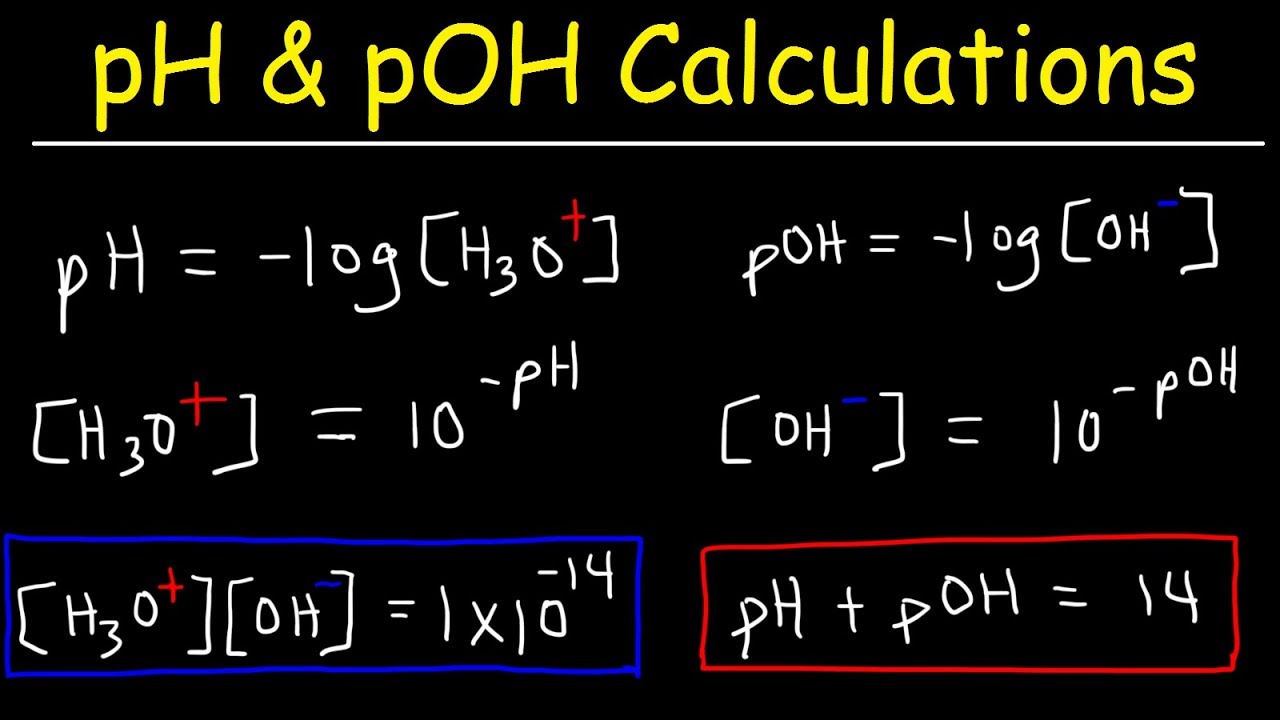
Crucially, the acid/base profile of a compound has a direct effect on the lipophilicity (logP) of a substance in the body as governed by the ionization constants (pKa values) of the key "Functional Groups" in different environments (pH).
Lecture on PKa of a drug:
• Drug Absorption | Concept of pKa and Drug ...
#LogP
#LipidSolubilityOfDrugs
#PartitionCoefficient
Повторяем попытку...
Доступные форматы для скачивания:
Скачать видео
-
Информация по загрузке: