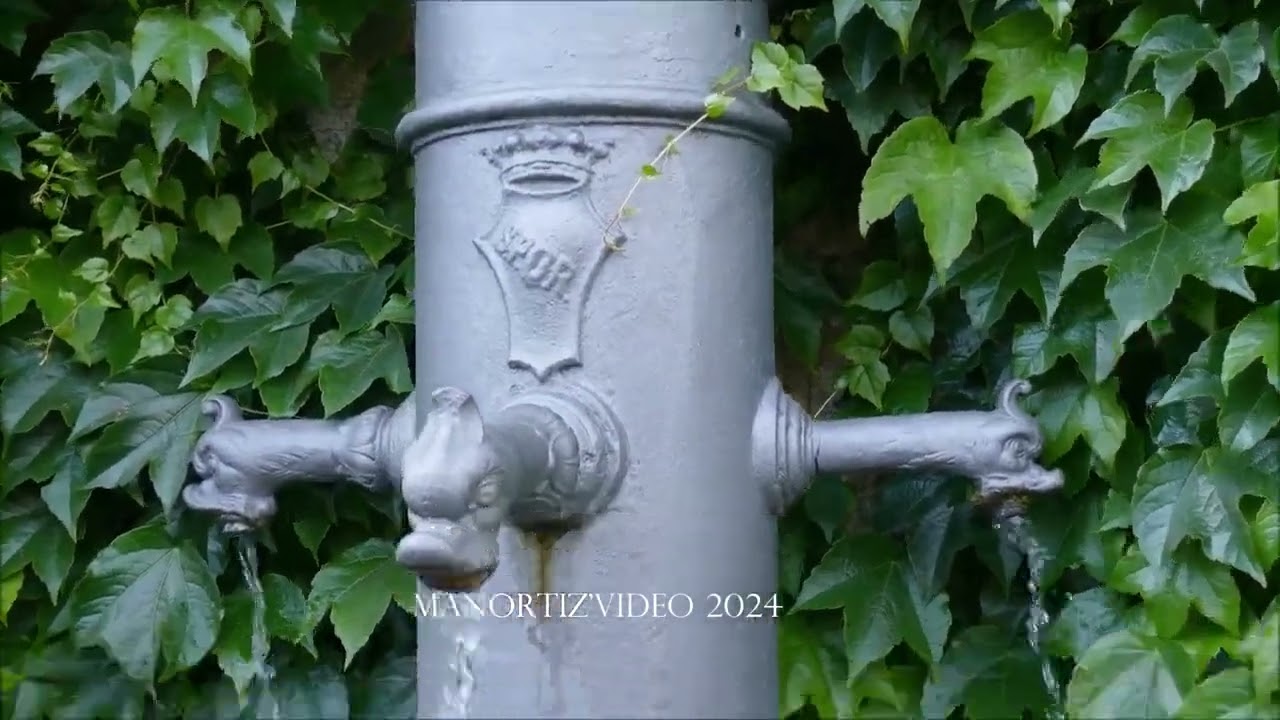
ROMA Tre Nasoni superstiti con tre cannelle Fresh and free water from three brass she-wolf's head
Автор: Luigi Manfredi
Загружено: 2026-01-26
Просмотров: 10
Описание:
ROMA, Tre 'Nasoni' superstiti con tre cannelle - Fresh and free water comes out from three brass she-wolf's head.
'Nasoni' superstiti con tre cannelle, in via della Cordonata, in via san Teodoro e al Pantheon Il Nasone di via della Cordonata Il Nasone in via san Teodoro il Nasone in Piazza della Rotonda
The Nasoni, the fountains of Rome When the heat in the city becomes oppressive, nothing is more pleasant than a sip of freshwater. In Rome, you can quench your thirst with the water that flows from the fountains with the characteristic cylindrical shape. Romans affectionately call them "nasoni," (big nose) and you can find them in many squares and streets of the city. They were born in 1874 from the idea of then-Mayor Luigi Pianciani and councilor Rinazzi to provide free drinking water in the center and the townships and give vent to the water network. The fountains, made of cast iron, were about 120 cm high, weighed about 100 kilos, and had three dragon-shaped nozzles. The water ended its fall in the sewer through a grate placed at street level. In the following years, the design of the fountains changed: a single smooth spout whose shape is the origin of the name "nasone" replaced the three decorated nozzles. You can still find some dragon-shaped ones in Piazza della Rotonda, Via di San Teodoro, behind the Roman Forum, and Via delle Tre Cannelle. In addition to the cast iron fountains, you can find some travertine fountains around the city; they are those of "della Lupa imperiale" (of the Imperial She-wolf) since the water comes out from a brass she-wolf's head. They date back to the 20s and 30s. About seventy are still working in the Roman parks and the Olympic Village. The nozzle of all the fountains has a small hole in the upper part. If you plug the main outlet, water gushes upwards, which is a small trick that makes drinking more comfortable and hygienic. Today, the Roman "nasoni" are almost 2500, and the water they provide is very fresh due to the continuous flow. It is the same water Acea has been distributing in the homes of Romans for over 100 years. In the historic center are over 200 nasoni and about ninety fountains and artistic fountains from which drinking water always flows. Among the best known, we mention the Fountain of the Barcaccia by Pietro and Gian Lorenzo Bernini in Piazza di Spagna and the fountain embedded in the wall in Via della Fontanella di Borghese. Thanks to the Waidy Wow App, by selecting "Rome," you can readily locate these characteristic fountains to find refreshments between a cultural visit and a pleasant shopping session. https://www.turismoroma.it/en/page/na...
I Nasoni, le fontanelle di Roma Quando in città il caldo diventa opprimente, nulla è gradito più di un sorso d’acqua fresca. A Roma, potete dissetarvi con l’acqua che sgorga dalle fontanelle con la caratteristica forma cilindrica, che i romani chiamano affettuosamente “nasoni”, installate in tante piazze e vie della città. Nate nel 1874 da un’idea dell’allora Sindaco Luigi Pianciani e dell'assessore Rinazzi per erogare acqua potabile gratuita nel centro e nelle borgate e per dare sfogo alla rete idrica, le fontanelle erano costruite in ghisa, erano alte circa 120 cm, pesavano circa 100 kg ed erano provviste di tre bocchette a forma di drago. L’acqua terminava la caduta nel condotto fognario, attraverso una grata posta a livello stradale. Negli anni seguenti, il disegno delle fontanelle venne modificato: le tre bocchette decorate lasciarono il posto a un unico cannello liscio la cui forma è all’origine dell’appellativo “nasone”. Qualche bocchetta a forma di drago si può ancora trovare in piazza della Rotonda, in via di San Teodoro, alle spalle del Foro Romano, e in via delle Tre Cannelle. Oltre alle fontanelle in ghisa, in giro per la città potete trovarne alcune costruite in travertino; vengono chiamate “della lupa imperiale", dato che l’acqua fuoriusciva da una testa di lupa in ottone. Questa tipologia di fontane venne installata negli anni Venti e Trenta; ne rimangono in funzione una settantina, localizzate nei parchi romani e al Villaggio Olimpico. La bocchetta di tutte le fontanelle ha un piccolo foro nella parte superiore. Tappando con un dito l’uscita principale della bocchetta, l’acqua zampilla verso l’alto; un piccolo trucco, e bere è più facile e igienico. Oggi, i “nasoni” romani sono quasi 2500 e l’acqua che erogano è freschissima per il continuo scorrere, ed è la stessa distribuita da Acea nelle case dei romani da oltre 100 anni. Grazie all’App Waidy Wow, selezionando “Roma”, potete facilmente individuare queste caratteristiche fontanelle per trovare ristoro tra una visita culturale e una piacevole sessione di shopping. https://www.turismoroma.it/it/page/i-...
Повторяем попытку...
Доступные форматы для скачивания:
Скачать видео
-
Информация по загрузке:








![Рим Италия ➧ Виа Витторио Венето ➧ Экскурсия с гидом [4K Ultra HD]](https://image.4k-video.ru/id-video/OV2uOTAfhE4)