Balboa Boulevard 1986 cold case solved — arrest shocks community
Автор: Judicial Authority
Загружено: 2025-09-07
Просмотров: 48
Описание:
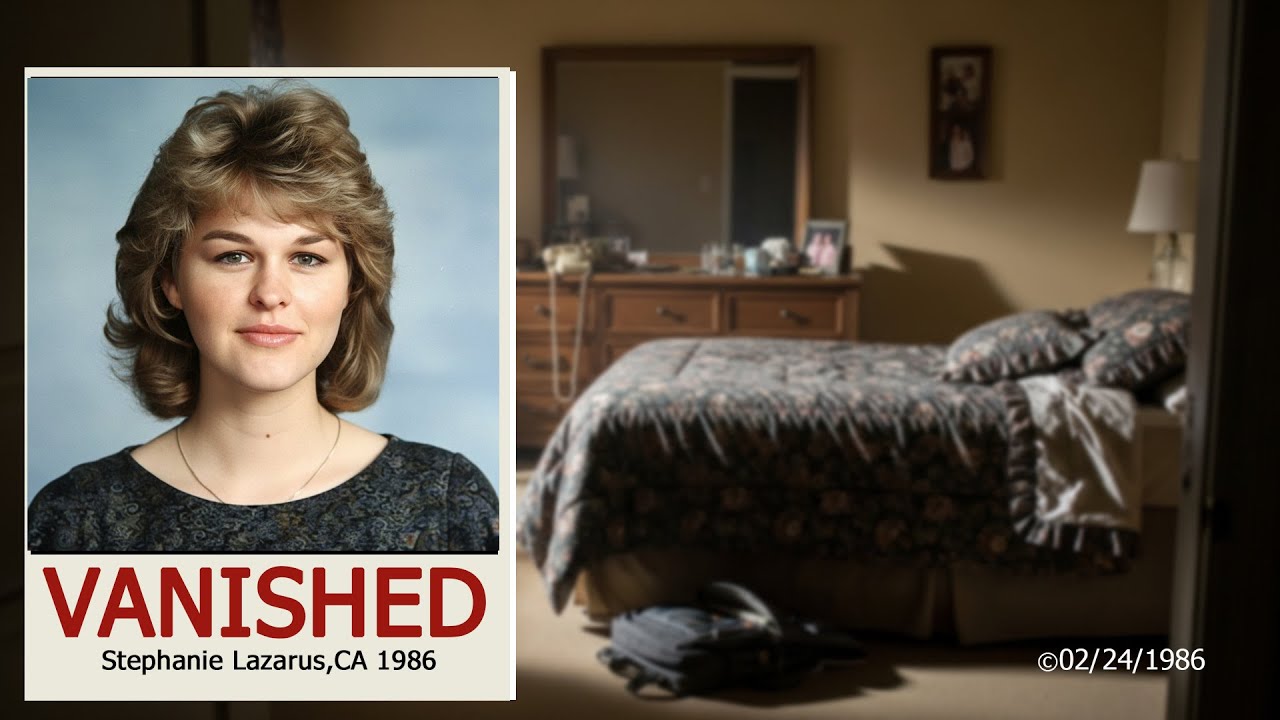
Sherri Rasmussen, a 29-year-old UCLA Medical Center nursing supervisor, was murdered on February 24, 1986, inside the Balboa Boulevard condo she shared with her new husband, engineer John Ruetten, in Van Nuys. The scene looked like a burglary—electronics stacked by the door, a shattered window, and the couple’s BMW gone—but Sherri’s defensive wounds and a clear bite mark on her forearm suggested something personal. Before her death, Sherri had told her parents, Nels and Loretta, that John’s ex, LAPD detective Stephanie Lazarus, had been intruding on their lives—showing up uninvited, confronting her at work, and making her feel watched.
Detectives quickly labeled the case a “burglary gone bad.” The bite-mark swab was collected and stored, but leads went nowhere, and the case grew cold. For years Nels pleaded with the LAPD to investigate Lazarus and test the evidence; he was brushed off. In 2004, criminalist Jennifer Francis reviewed the old evidence, extracted a clean female DNA profile from the bite, and urged a fresh look. Her recommendation stalled.
Everything changed in 2008 when cold-case Detectives Jim Nuttall and Pete Barba pulled the murder book, saw the staged feel of the “burglary,” and centered the bite-mark DNA. They built a list of five plausible female suspects; four were eliminated. The fifth—Lazarus—was a decorated detective and expert marksman whose backup .38 matched the caliber used. Under discreet surveillance in January 2009, Lazarus tossed a coffee cup at a Simi Valley Costco; lab testing matched her saliva to the bite-mark DNA.
To make a safe arrest, LAPD lured Lazarus to Parker Center on June 5, 2009, under the pretense of an art-theft consult. After a careful interview about John and Sherri, she realized she was the target and was taken into custody. A search of her home turned up obsessive journals about John, a receipt for .38 ammunition purchased days before the murder, and years of monitoring John’s life.
The 2012 trial was direct and devastating. Prosecutor Shannon Presby called it “a bite, a bullet, and a broken heart.” The DNA was decisive; motive and opportunity were clear; Lazarus’s recorded statements were evasive. John testified about his past with both women and the warning signs he’d dismissed. The jury deliberated for a day and convicted Lazarus of first-degree murder; she was sentenced to 27 years to life. Appeals failed in 2015.
Sherri’s case became a case study in both failure and reform: early tunnel vision, missing or misfiled materials, and reluctance to probe a fellow officer—followed by meticulous cold-case work, preserved evidence, and the power of DNA. Departments instituted stronger evidence controls, outside oversight when officers are suspects, and routine DNA testing in cold cases.
At a 2023 parole hearing, Lazarus—then 62—admitted killing Sherri but minimized intent; a panel briefly granted parole, then the full board rescinded it amid public outcry. In 2025, commissioners, citing forensic analyses and her minimization, unanimously denied parole for five years.
For Nels and Loretta, justice arrived late but firm. Their advocacy funded nursing scholarships and helped drive policy change; Francis’s insistence on science over status became a model; and Nuttall and Barba’s persistence showed how careful policing can overcome decades of inertia. Sherri is remembered as a brilliant, compassionate nurse whose life—and case—reshaped how cold cases and police accountability are handled.
Повторяем попытку...
Доступные форматы для скачивания:
Скачать видео
-
Информация по загрузке: