LGBTQ+ Conversion therapy
Автор: LGBTQ+ Insight
Загружено: 2024-12-13
Просмотров: 34
Описание:
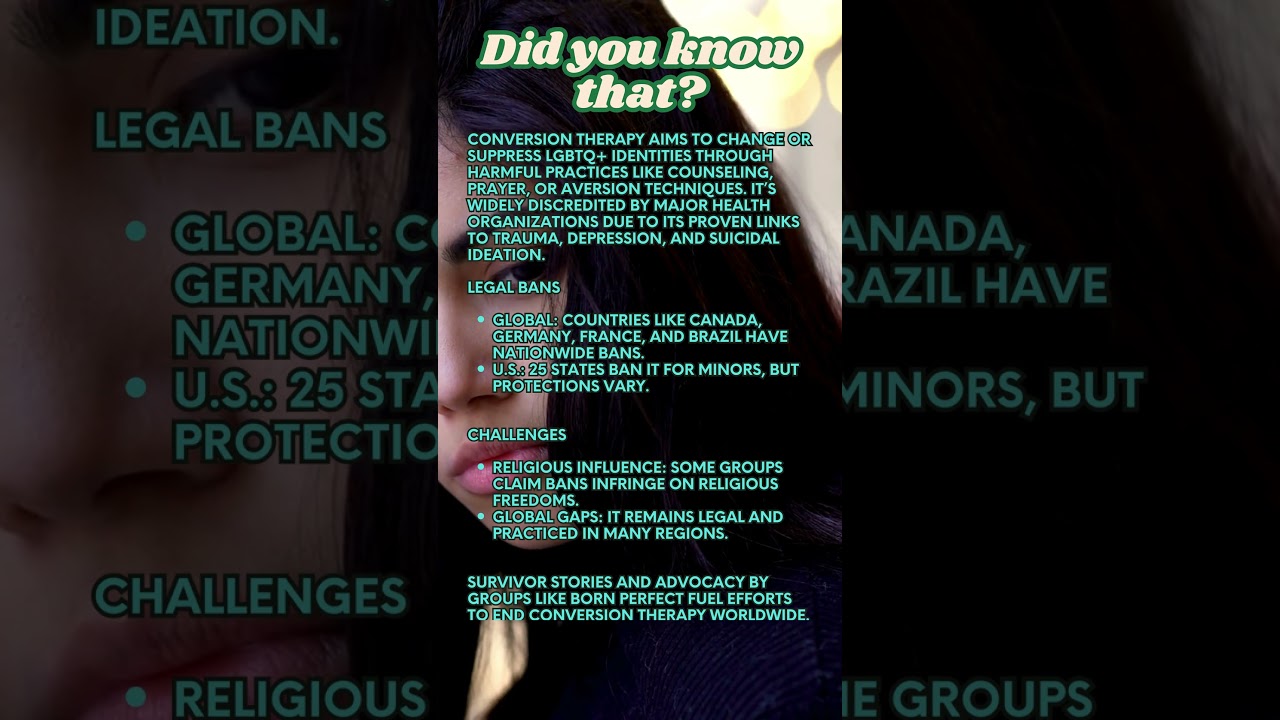
Conversion therapy refers to practices aimed at changing or suppressing an individual's sexual orientation, gender identity, or gender expression. These practices, also called "reparative therapy" by proponents, often stem from prejudiced beliefs that LGBTQ+ identities are "wrong" or need to be "fixed." Conversion therapy can include counseling, behavioral techniques, prayer, or even more extreme and harmful methods like aversion therapy.
Why Is Conversion Therapy Controversial?
1. Lack of Scientific Support:
Major medical and psychological organizations, including the American Psychological Association (APA), the World Health Organization (WHO), and the American Medical Association (AMA), strongly oppose conversion therapy.
These organizations state that sexual orientation and gender identity are not mental health disorders and do not need "curing."
2. Harmful Effects:
Studies link conversion therapy to long-term psychological harm, including depression, anxiety, loss of self-esteem, and suicidal ideation.
Survivors often report trauma due to coercive or abusive techniques used during the process.
3. Ethical Concerns:
Conversion therapy practices are seen as inherently unethical, as they rely on stigmatizing LGBTQ+ individuals and perpetuate discrimination.
Legal Bans on Conversion Therapy
In recent years, growing awareness of the harm caused by conversion therapy has led many jurisdictions to ban it. These bans are often focused on protecting minors, as they are the most vulnerable to coercion.
Countries with National Bans:
Canada: Passed legislation in 2021 banning conversion therapy nationwide.
Germany: Bans conversion therapy for minors and heavily restricts it for adults.
France: Outlawed conversion therapy in early 2022 with strict penalties for violators.
Brazil, Malta, and Ecuador: Among the first to implement national bans.
In the United States:
Conversion therapy is banned or restricted in 25 states, Washington D.C., and Puerto Rico, specifically for minors. These laws vary but generally prevent licensed mental health providers from practicing conversion therapy on children.
However, some states and areas lack protections, leaving LGBTQ+ individuals vulnerable to these practices.
Ongoing Challenges
Religious Exemptions: Many conversion therapy efforts are tied to religious beliefs. Some groups argue that bans infringe upon religious freedom, making enforcement complicated in some areas.
Global Inconsistencies: In many countries, conversion therapy remains legal and widely practiced, often under the guise of spiritual or cultural interventions.
Underreporting: Many victims of conversion therapy do not report their experiences due to stigma, fear, or lack of awareness of legal protections.
Advocacy and Survivor Stories
Survivors and advocacy organizations like Born Perfect and The Trevor Project work tirelessly to raise awareness and push for global bans on conversion therapy.
Survivor testimonies highlight the profound impact of these harmful practices and are instrumental in changing public opinion and shaping policy.
Conclusion
The global fight against conversion therapy is a critical part of LGBTQ+ rights advocacy. While significant progress has been made in banning these harmful practices, ongoing efforts are needed to ensure universal protections and support for LGBTQ+ individuals worldwide.
Повторяем попытку...
Доступные форматы для скачивания:
Скачать видео
-
Информация по загрузке: