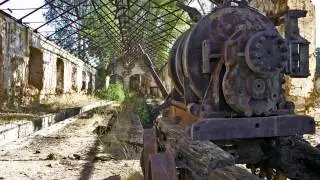
" Mineiros de Aljustrel "
Автор: José Militão
Загружено: 2011-01-12
Просмотров: 81391
Описание:
Dedicado a todos os mineiros!
O Hino dos Mineiros, também conhecido como "Asturias, Pátria querida", tem origem em Espanha e foi adotado pelos mineiros de Aljustrel, em Portugal, sendo posteriormente adaptado ao Cante Alentejano. A canção original, "En el Pozo Maria Luisa", narra o relato de um mineiro sobre um acidente numa mina onde 17 companheiros morreram. Essa canção espanhola foi adaptada e se tornou um Hino para os Mineiros de Aljustrel, expressando a dura realidade da profissão e homenageando todos os mineiros do mundo.
A origem da música remonta a um episódio trágico na mina Pozu María Luisa, onde ocorreu um acidente que ceifou a vida de 17 mineiros com idades entre 16 e 49 anos, segundo o Repositório Aberto da Universidade do Porto. A canção, inicialmente cantada em espanhol, foi adaptada para o Cante Alentejano e se tornou um símbolo da luta e da dureza da vida dos mineiros, especialmente em Aljustrel. O Hino dos Mineiros é uma manifestação da identidade e da resistência da classe trabalhadora, sendo frequentemente associado a movimentos de esquerda e canções de protesto.
A exploração de metais em Aljustrel data dos finais do 3º milénio a.C., durante a Idade do Cobre e posteriormente há também vestígios de ocupação romana. Em 1252, a Ordem de Santiago da Espada reservou para si os rendimentos da mina.
O centro mineiro de Aljustrel é a parte mais importante da economia local e estima-se que as reservas sejam superiores a 250 milhões de toneladas de pirite.
O trabalho era, e é, obviamente muito duro e realizado em condições muito difíceis, sendo os acidentes muito frequentes e que deixavam marcas e sequelas gravadas no Cante.
Nas minas de São João
Lá.lá,lálá,lá,lá,lá
Morreram quatro mineiros
Vê lá, vê lá companheiro
vê lá. vê lá, como venho eu
Lá.lá,lálá,lá,lá,lá
Lá.lá,lálá,lá,lá,lá
Morreram quatro mineiros
Vê lá, vê lá companheiro
vê lá. vê lá, como venho eu
Lá.lá,lálá,lá,lá,lá
Lá.lá,lálá,lá,lá,lá
Eu trago a cabeça aberta
Lá.lá,lálá,lá,lá,lá
que me abriu uma barrena
Vê lá, vê lá companheiro
vê lá. vê lá, como venho eu
Lá.lá,lálá,lá,lá,lá
Lá.lá,lálá,lá,lá,lá
Que me abriu uma barrena
Vê lá, vê lá companheiro
vê lá. vê lá, como venho eu
Lá.lá,lálá,lá,lá,lá
Lá.lá,lálá,lá,lá,lá
Eu trago a camisa rota
Lá.lá,lálá,lá,lá,lá
E sangue dum camarada
Vê lá, vê lá companheiro
vê lá. vê lá, como venho eu
Lá.lá,lálá,lá,lá,lá
Lá.lá,lálá,lá,lá,lá
E sangue dum camarada
Vê lá, vê lá companheiro
vê lá. vê lá, como venho eu
Lá.lá,lálá,lá,lá,lá
Lá.lá,lálá,lá,lá,lá
Santa Bárbara bendita
Lá.lá,lálá,lá,lá,lá
Padroeira dos mineiros
Vê lá, vê lá companheiro
vê lá. vê lá, como venho eu
Lá.lá,lálá,lá,lá,lá
Lá.lá,lálá,lá,lá,lá
Padroeira dos mineiros
Vê lá, vê lá companheiro
vê lá. vê lá, como venho eu
Lá.lá,lálá,lá,lá,lá
Lá.lá,lálá,lá,lá,lá
The Miners' Hymn, also known as ‘Asturias, Pátria querida’, originated in Spain and was adopted by the miners of Aljustrel in Portugal, later being adapted into the Cante Alentejano. The original song, ‘En el Pozo Maria Luisa’, recounts a miner's account of an accident in a mine in which 17 of his mates died. This Spanish song was adapted and became an Anthem for the Miners of Aljustrel, expressing the harsh reality of the profession and honouring all the miners of the world.
The origin of the song goes back to a tragic episode in the Pozu María Luisa mine, where an accident took place that claimed the lives of 17 miners aged between 16 and 49, according to the Open Repository of the University of Porto. The song, initially sung in Spanish, was adapted into Cante Alentejano and has become a symbol of the struggle and hardship of life for miners, especially in Aljustrel. The Hymn of the Miners is a manifestation of the identity and resistance of the working class and is often associated with left-wing movements and protest songs.
Metal mining in Aljustrel dates back to the end of the 3rd millennium BC, during the Copper Age, and later there are also traces of Roman occupation. In 1252, the Order of St James of the Sword reserved the proceeds of the mine for itself.
The Aljustrel mining centre is the most important part of the local economy and it is estimated that the reserves exceed 250 million tonnes of pyrite.
The work was, and still is, obviously very hard and carried out in very difficult conditions, with accidents being very frequent and leaving their mark on Cante.
In the mines of São João
Lá.lá,lálá,lá,lá,lá
Four miners died
See there, see there mate
see there. see there, as I come
There, there, there, there, there
There, there, there, there, there
Four miners have died
Look, look mate
look. look, how am I doing?
There, there, there, there, there
Lá.lá,lálá,lá,lá,lá
I've got my head open
Lá.lá,lálá,lá,lá,lá
I've got a bottle open
Look, look mate
look. look, how I'm doing
There, there, there, there, there
Lá.lá,lálá,lá,lá,lá
I've opened a bottle
Look, look mate
look. look, how am I doing?
Lá.lá,lálá,lá,lá,lá
Lá.lá,lálá,lá,lá,lá
Повторяем попытку...

Доступные форматы для скачивания:
Скачать видео
-
Информация по загрузке: