IAEA chief comments on Iran and Israel
Автор: AP Archive
Загружено: 2015-07-24
Просмотров: 87
Описание:
(7 Jun 2010) SHOTLIST
1. Wide of briefing by the head of the International Atomic Energy Agency, Yukiya Amano
2. Close of photographer
3. Close of notebook, zoom out to show reporter at desk
4. SOUNDBITE (English) Yukiya Amano, head of the International Atomic Energy Agency:
"I said in my report that the Iranian nuclear issue is a special one, because with Iran, we have one of the issues with a possible military dimension, which need to be clarified, but which is not clarified yet. We have the Security Council resolutions, we have the Board of Governors resolutions, we have the modified code 3.1 which is not implemented. By all of these reasons, I say, that Iran is a special case."
5. Pan of briefing
6. Cutaway of notes
7. SOUNDBITE (English) Yukiya Amano, head of the International Atomic Energy Agency:
"What I expected regarding Israel, is the follow-up of the General Conference resolution, which was adopted in September 2009. And that is not the question of the implementation of our Safeguards Agreement or the UN Security Council resolutions. So the nature is different, and therefore, the report will be different."
8. Various shots of briefing
9. SOUNDBITE (English) Yukiya Amano, head of the International Atomic Energy Agency:
"What I am expecting in the coming boards, this board, is to listen carefully. Listen carefully to the views to be expressed by member states on this issue. And later, in September, I will provide the report."
10. Cameras
11. Amano leaving
STORYLINE
The head of the International Atomic Energy Agency singled out Iran for the first time on Monday as a "special case" because of suspicions it is hiding experimental nuclear weapons programmes.
A senior Iranian envoy said Israel was the true threat to Mideast peace.
The statement by IAEA chief Yukiya Amano at the start of the agency's 35-nation board meeting reflected international concern about Iran's nuclear agenda, days before the UN Security Council is expected to punish Tehran for its refusal to heed demands to curb its activities.
It also was in keeping with the generally tougher line taken by Amano on Iran compared to his predecessor, Mohamed ElBaradei, who was occasionally criticised by the US and other Western nations for his perceived reluctance to take Iran to task.
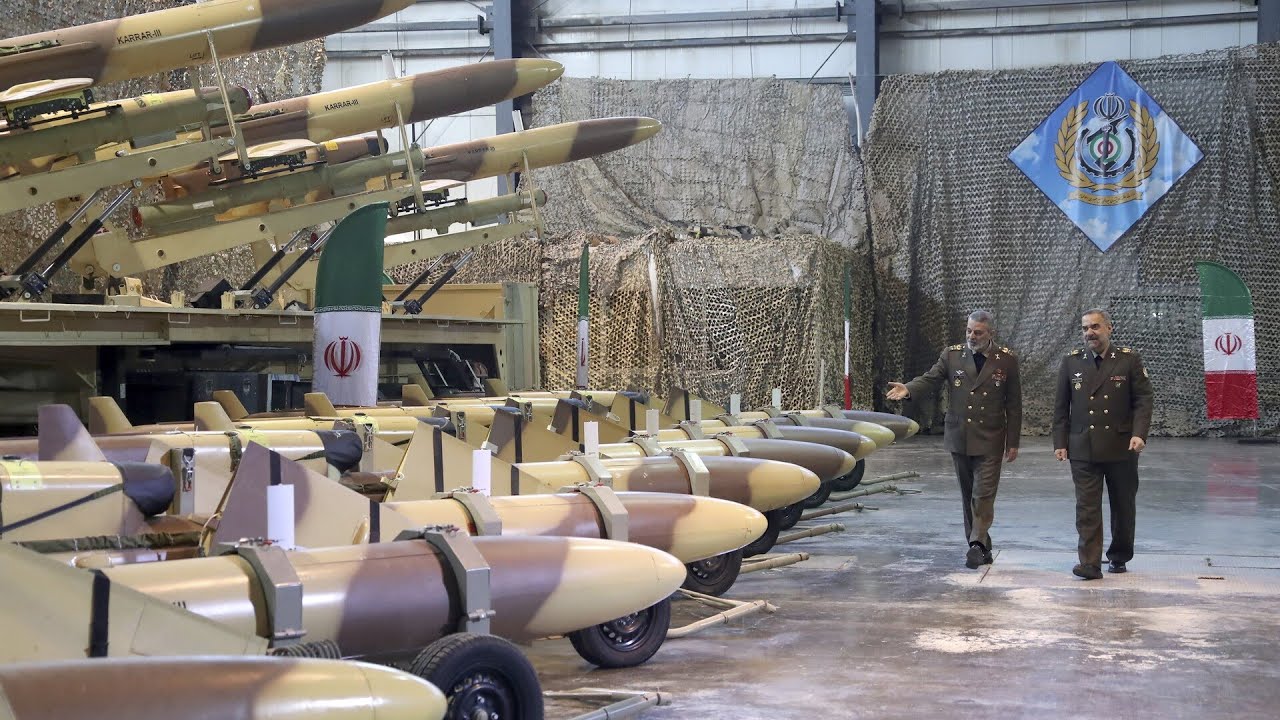
Iran is stonewalling IAEA attempts to follow up on intelligence from the US and other nations that suggests Tehran has hidden nuclear weapons experiments from the world.
The planned fourth set of UN sanctions reflects concerns about such programmes, plus Tehran's refusal to freeze uranium enrichment, which Iran says it wants to develop as a fuel source, but which can also be used to make nuclear warheads.
"The Iranian nuclear issue is a special one, because with Iran, we have one of the issues with a possible military dimension, which need to be clarified, but which is not clarified yet," Amano told reporters after the closed meeting.
Iran, and Syria, which is also suspected of hiding weapons-related nuclear activities, have for years taken up prime time at IAEA board meetings.
But that attention may be blunted this time by another agenda item, this one critical of Israel, which is universally assumed to have nuclear arms but has never confirmed that status.
The item, listed as "Israeli nuclear capabilities," marks the first time in 19 years that the board has been asked to formally discuss the issue.
The latest pressure is putting the Jewish state in an uncomfortable position.
Find out more about AP Archive: http://www.aparchive.com/HowWeWork
Twitter: / ap_archive
Facebook: / aparchives
Instagram: / apnews
You can license this story through AP Archive: http://www.aparchive.com/metadata/you...
Повторяем попытку...

Доступные форматы для скачивания:
Скачать видео
-
Информация по загрузке:
![Пожалуй, главное заблуждение об электричестве [Veritasium]](https://imager.clipsaver.ru/6Hv2GLtnf2c/max.jpg)