Social Learning Theory of Aggression
Автор: Explained in Minutes
Загружено: 2023-10-19
Просмотров: 455
Описание:
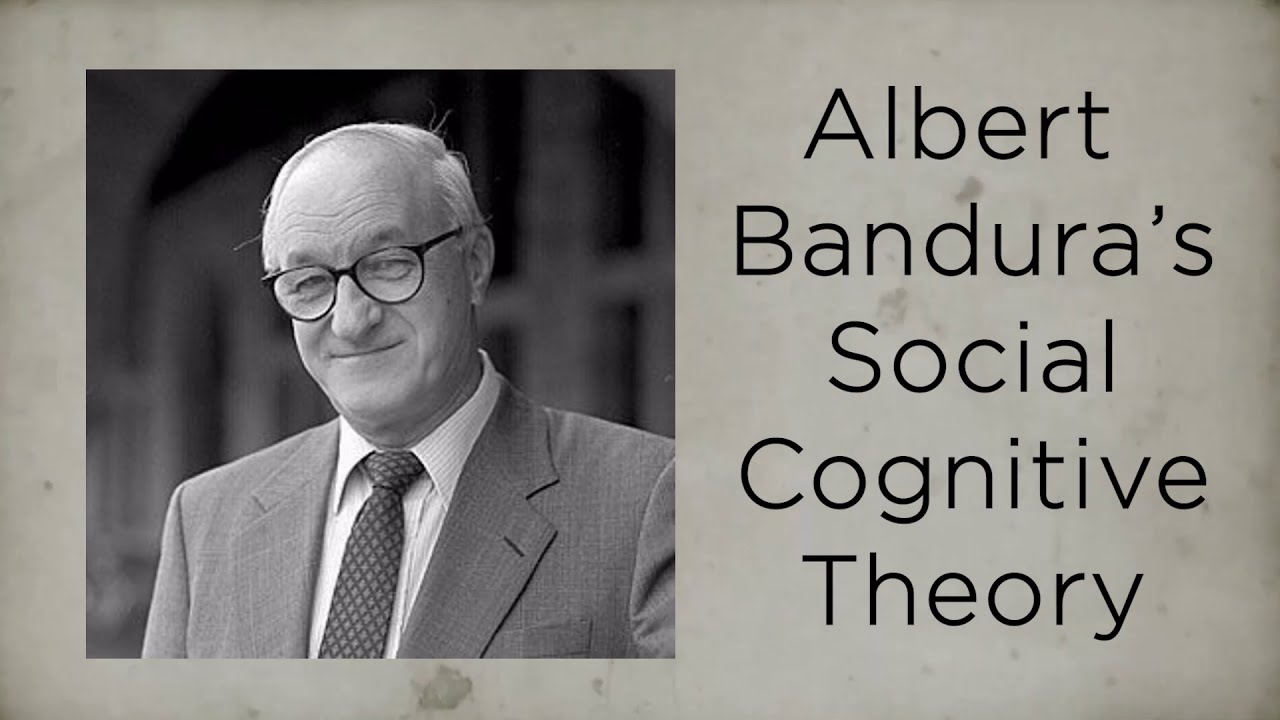
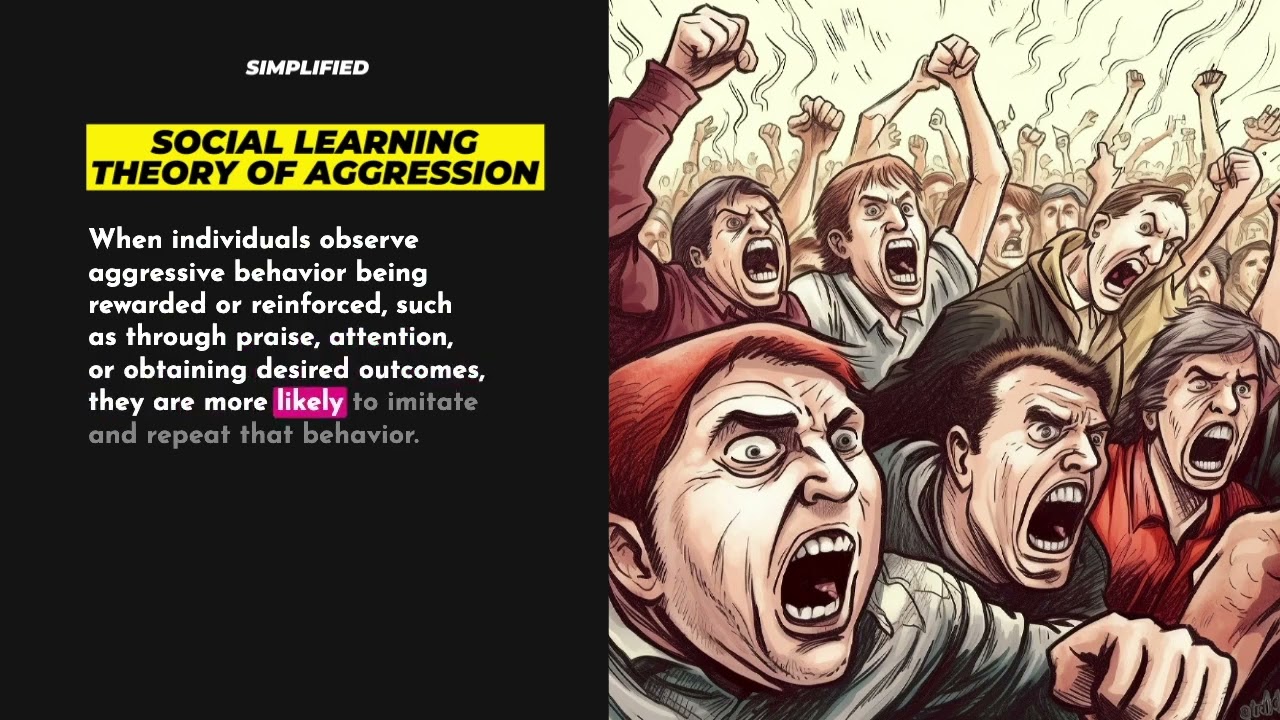
The social learning theory of aggression, often associated with the work of psychologist Albert Bandura, suggests that people learn aggressive behaviors through social interactions, observing others, and imitating the actions they witness. This theory is rooted in the broader framework of social cognitive theory and emphasizes the role of modeling, reinforcement, and cognitive processes in the development of aggressive behaviors. Here are the key components of the social learning theory of aggression:
Modeling: Individuals are more likely to engage in aggressive behaviors if they witness others, particularly role models, demonstrating such behaviors. Observational learning, or modeling, involves paying attention to and imitating the actions of others. Bandura's famous "Bobo doll" experiments, conducted in the 1960s, demonstrated that children who observed aggressive behavior in adults were more likely to imitate that behavior when given the opportunity.
Reinforcement: The theory posits that aggressive behaviors can be reinforced or punished, affecting the likelihood of their recurrence. If individuals receive positive outcomes or rewards for their aggressive actions, they are more likely to engage in those behaviors in the future. Conversely, if they experience negative consequences or punishment for aggression, they may be less inclined to behave aggressively.
Vicarious Reinforcement and Punishment: In addition to direct reinforcement or punishment, individuals also learn from observing the consequences experienced by others. If they see someone being rewarded or punished for their aggressive actions, this vicarious reinforcement or punishment can influence their own behavior.
Cognitive Processes: Social learning theory emphasizes the role of cognitive processes, such as attention, retention, reproduction, and motivation. People must pay attention to the observed behavior, remember it, be able to reproduce it, and have the motivation to do so for the learning to occur.
Self-regulation: Individuals have the ability to control and regulate their aggressive impulses. This involves assessing the situation, weighing the potential consequences, and making decisions about whether to engage in aggressive behavior or not. Self-regulation is influenced by both internal cognitive factors and external social factors.
Social learning theory of aggression has significant implications for understanding the development and perpetuation of aggressive behaviors in individuals and society. It suggests that exposure to aggressive role models and reinforcement for aggression can contribute to increased aggressive behavior, while interventions aimed at changing modeling and reinforcement patterns can reduce the likelihood of aggressive acts. This theory has been influential in fields such as psychology, criminology, and education, contributing to the understanding of how aggression is learned and how it can be mitigated.
Повторяем попытку...
Доступные форматы для скачивания:
Скачать видео
-
Информация по загрузке: