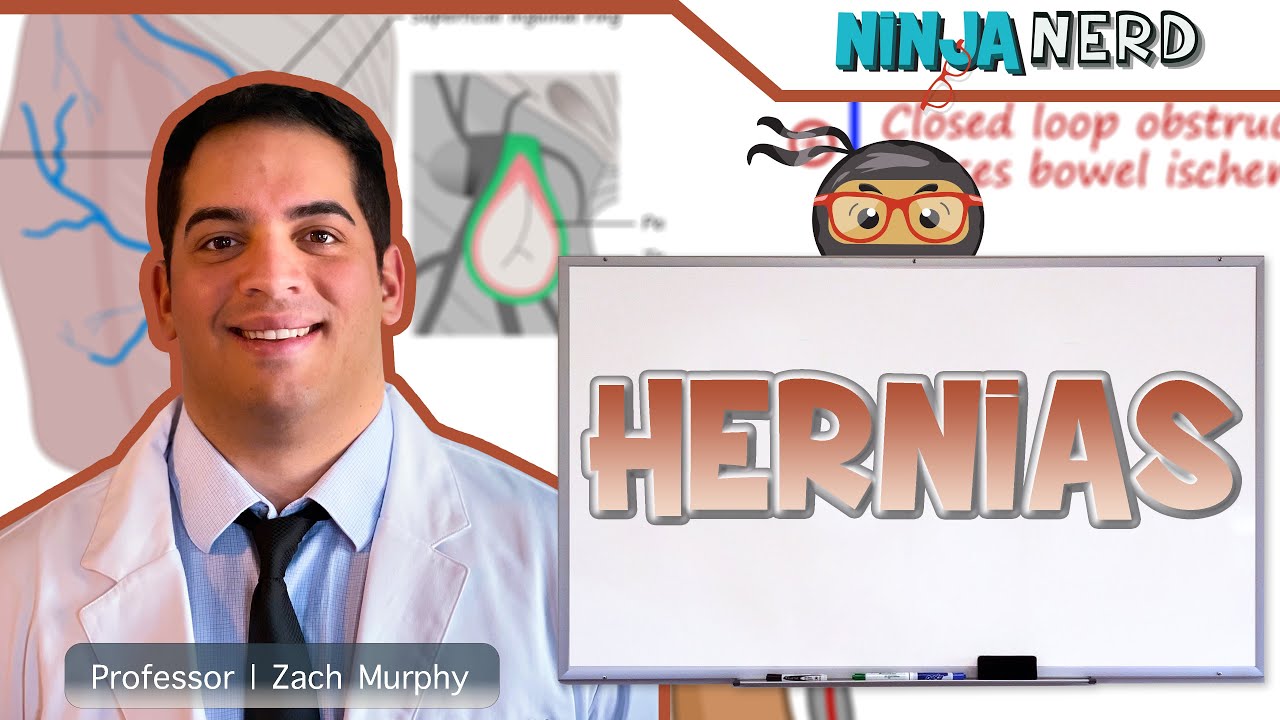
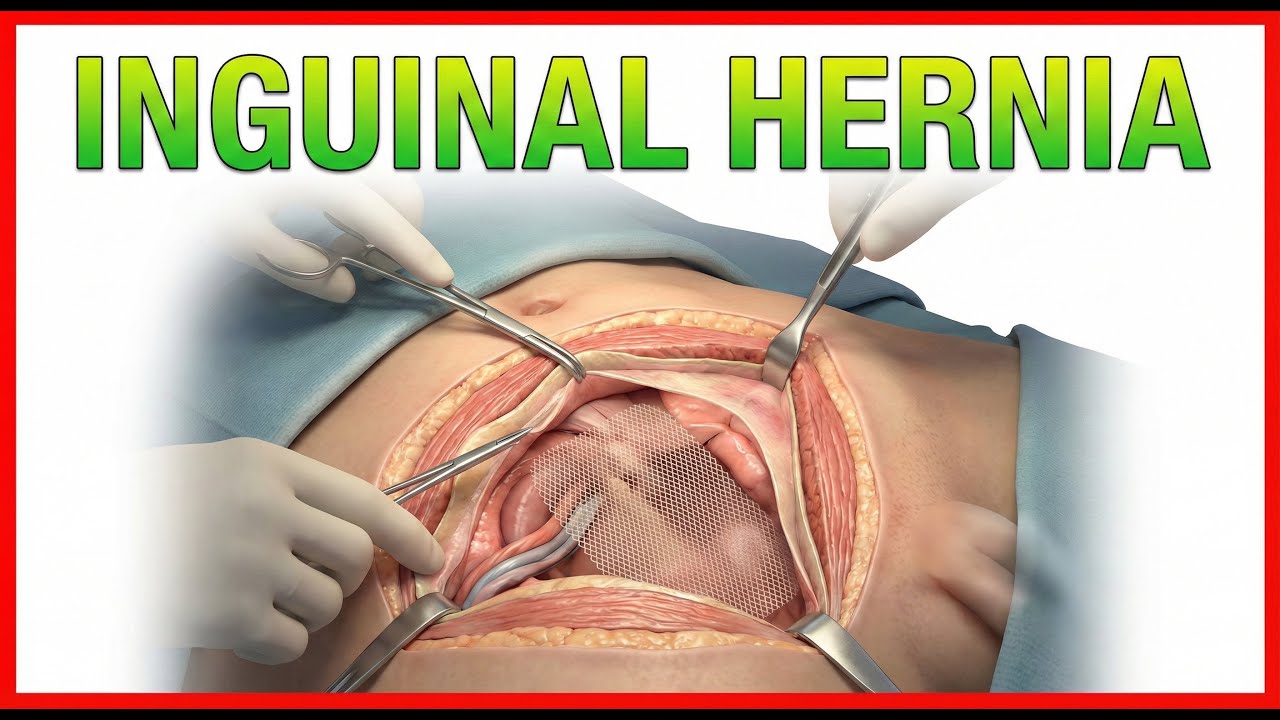
Inguinal Hernia: Indirect Inguinal Hernia, Direct Inguinal Hernia, Treatment: Surgery
Автор: Dr.G.Bhanu Prakash
Загружено: 2024-09-25
Просмотров: 6690
Описание:
📌 𝐅𝐨𝐥𝐥𝐨𝐰 𝐨𝐧 𝐈𝐧𝐬𝐭𝐚𝐠𝐫𝐚𝐦:- / drgbhanuprakash
📌𝗝𝗼𝗶𝗻 𝗢𝘂𝗿 𝗧𝗲𝗹𝗲𝗴𝗿𝗮𝗺 𝗖𝗵𝗮𝗻𝗻𝗲𝗹 𝗛𝗲𝗿𝗲:- https://t.me/bhanuprakashdr
📌𝗦𝘂𝗯𝘀𝗰𝗿𝗶𝗯𝗲 𝗧𝗼 𝗠𝘆 𝗠𝗮𝗶𝗹𝗶𝗻𝗴 𝗟𝗶𝘀𝘁:- https://linktr.ee/DrGBhanuprakash
Inguinal Hernia: Indirect Inguinal Hernia, Direct Inguinal Hernia, Treatment -
------------------------------------------------------------------------------------------------------------------------
Introduction
An inguinal hernia occurs when a portion of tissue, often part of the intestine, pushes through a weak spot in the abdominal muscles. This results in a bulge in the groin or scrotal area. Inguinal hernias are more common in men than in women due to anatomical differences.
There are two main types of inguinal hernias:
Indirect Inguinal Hernia
Direct Inguinal Hernia
Indirect Inguinal Hernia
Indirect inguinal hernias are the most common type and often occur due to congenital factors. This hernia develops when abdominal contents, usually part of the intestine, enter the inguinal canal via the deep inguinal ring.
Pathophysiology:
The indirect inguinal hernia takes the same path as the testicles took during fetal development when they descended from the abdomen into the scrotum.
This type of hernia can occur in both males and females, but it is much more common in males.
The hernia sac enters through the deep inguinal ring and may extend down into the scrotum in males or the labia in females.
Clinical Features:
Bulge in the groin that may extend to the scrotum.
Pain or discomfort in the groin, especially when lifting, coughing, or bending.
Reducible mass: The hernia may go back into the abdomen when lying down.
Increase in size of the bulge during activities such as coughing or straining.
Key Point: Indirect inguinal hernias are congenital and follow the path of the spermatic cord in men or the round ligament in women. The hernia sac enters the inguinal canal through the deep inguinal ring.
Direct Inguinal Hernia
Direct inguinal hernias occur due to weakness in the muscles of the abdominal wall in the Hesselbach’s triangle (an area of weakness in the lower abdominal wall).
Pathophysiology:
This type of hernia develops directly through the abdominal wall, and it does not pass through the deep inguinal ring like indirect hernias.
It is usually associated with aging, as the abdominal muscles become weaker over time.
More common in older men and tends to be acquired rather than congenital.
Clinical Features:
Bulge in the groin region but not extending into the scrotum.
Pain or discomfort that worsens with physical activity.
Often reducible but may become incarcerated or strangulated if not treated.
Bulge tends to become prominent during straining or coughing.
Key Point: Direct inguinal hernias are acquired and result from muscle weakness. They do not follow the pathway of the spermatic cord and occur in the Hesselbach’s triangle.
Treatment: Surgery
Indications for Surgery:
Symptomatic hernia: Causing pain or discomfort.
Irreducible or incarcerated hernia: The hernia cannot be pushed back into the abdomen.
Strangulated hernia: Blood supply to the herniated tissue is compromised, making this a surgical emergency.
Surgical Techniques:
Open Hernia Repair (Herniorrhaphy):
Open surgery involves making an incision in the groin.
The herniated tissue is pushed back into the abdomen, and the weakened abdominal wall is reinforced, typically with a synthetic mesh.
This procedure can be performed under local, regional, or general anesthesia.
Laparoscopic Hernia Repair:
A minimally invasive procedure in which several small incisions are made.
A laparoscope (a thin tube with a camera) is used to guide the repair.
The hernia is repaired from inside the abdomen, and mesh is placed to reinforce the abdominal wall.
Laparoscopic repair generally has a shorter recovery time and less postoperative pain.
Tension-Free Mesh Repair:
Widely used due to its high success rate and low recurrence rate.
Mesh is placed over the hernia defect without placing tension on the surrounding tissues, reducing the risk of hernia recurrence.
#InguinalHernia #HerniaSurgery #HerniaRepair #GroinHernia #LaparoscopicHerniaRepair #SurgicalTreatment #HerniaAwareness #HerniaCare #HerniaPrevention #Proctology #medicalanimations #fmge #fmgevideos #rapidrevisionfmge #fmge2024 #mbbslectures #nationalexitexam #nationalexittest #neetpg #usmlepreparation #usmlestep1 #fmge #usmle #drgbhanuprakash #medicalstudents #medicalstudent #medicalcollege #neetpg2025 #usmleprep #usmlevideos #usmlestep1videos #medicalstudents #neetpgvideos #usmlestep2videos
Повторяем попытку...
Доступные форматы для скачивания:
Скачать видео
-
Информация по загрузке:









![[이슈PICK] 미 해군 전투기 수백 대 테헤란 공습... B-2 폭격기 이란 핵시설 완전 초토화 / 사건텔러](https://imager.clipsaver.ru/Y_RK2eTCtZ0/max.jpg)