Designing a NOT Gate Circuit with a 7404 IC: Tips and Tricks.
Автор: Audiotech Projects
Загружено: 2023-04-22
Просмотров: 1049
Описание:
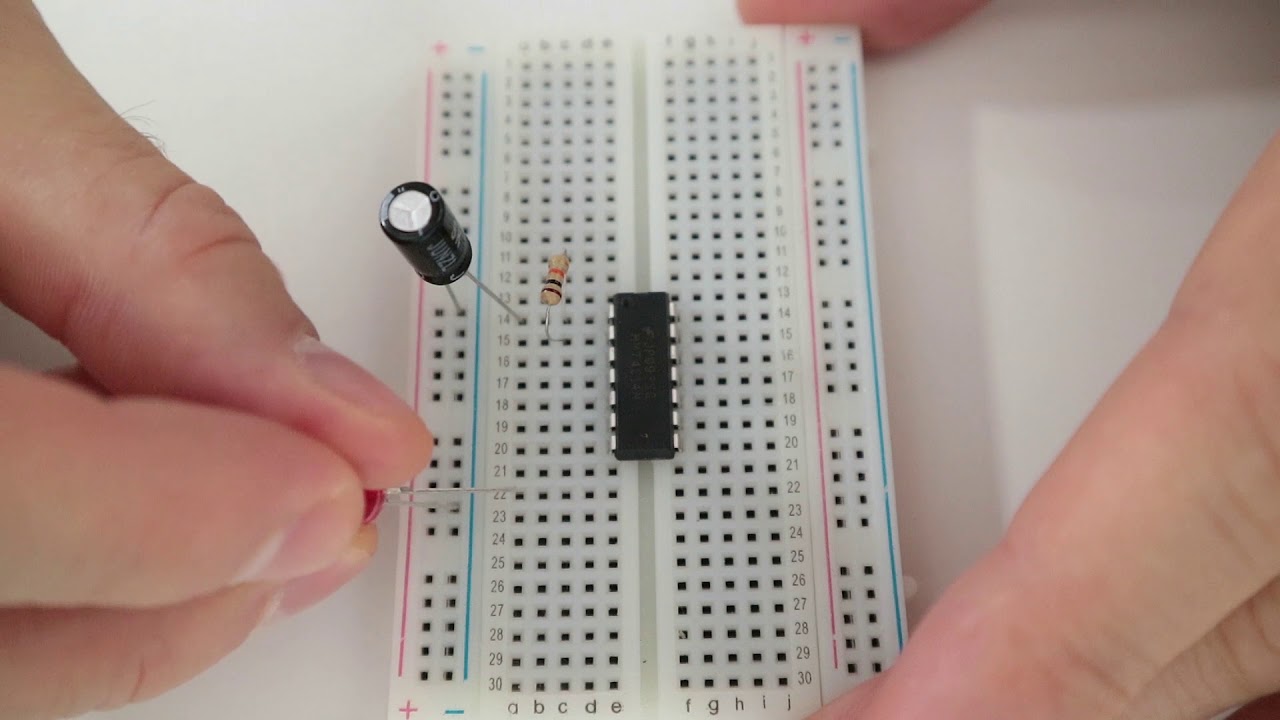
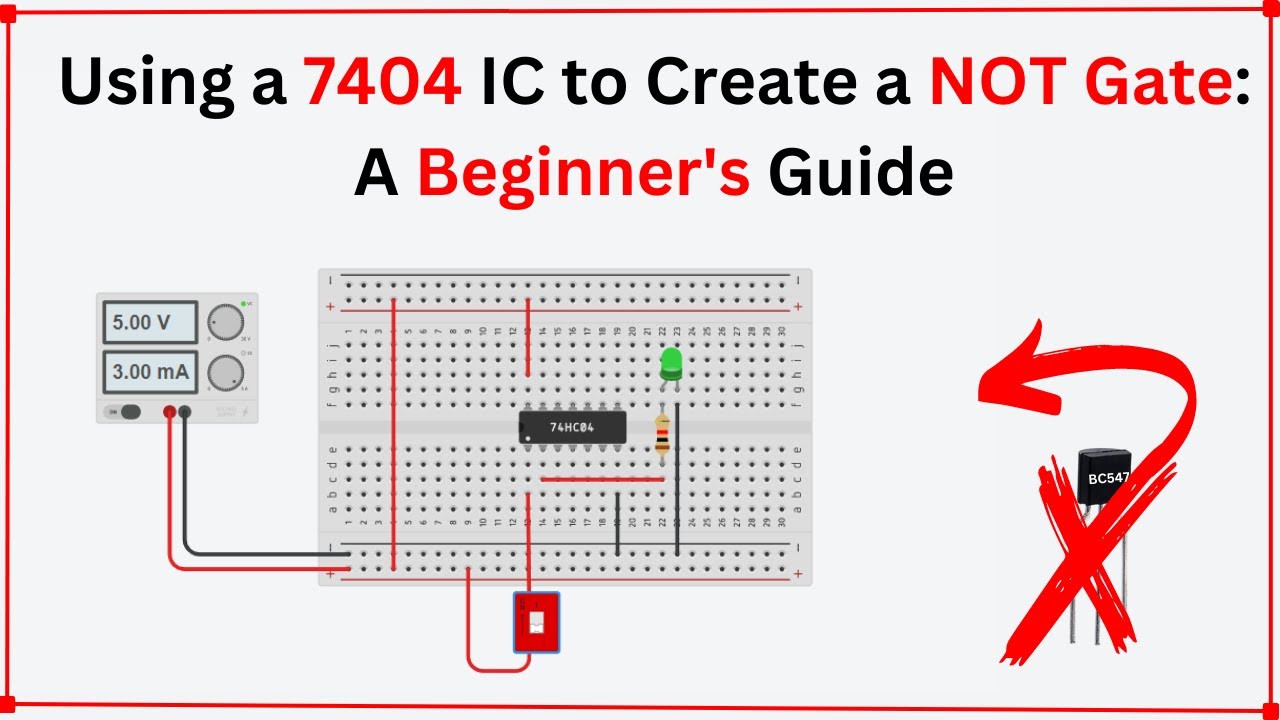
The IC 7404 is a popular hex inverter chip, which is widely used in digital electronics circuits. The chip consists of six independent inverters, each of which has a single input and a single output. When the input to an inverter is high (logic level 1), the output is low (logic level 0), and vice versa. The chip is designed to operate with a power supply voltage of 5 volts.
The pinout of the IC 7404 is as follows:
Pin 1: Input for Inverter 1
Pin 2: Output for Inverter 1
Pin 3: Input for Inverter 2
Pin 4: Output for Inverter 2
Pin 5: Input for Inverter 3
Pin 6: Output for Inverter 3
Pin 7: Ground
Pin 8: Input for Inverter 4
Pin 9: Output for Inverter 4
Pin 10: Input for Inverter 5
Pin 11: Output for Inverter 5
Pin 12: Input for Inverter 6
Pin 13: Output for Inverter 6
Pin 14: V cc (power supply voltage)
The IC 7404 is used in a wide variety of digital circuits, including oscillators, logic gates, power supplies, and microcontroller interfaces. Its simplicity, low cost, and high reliability make it a popular choice for hobbyists and professionals alike.
What is NOT gate ?
A NOT gate, also known as an inverter, is a type of logic gate that performs the logical operation of inversion. It has a single input and a single output, and its function is to invert or reverse the logical state of its input. In other words, if the input is low (logic level 0), the output will be high (logic level 1), and if the input is high, the output will be low.
The symbol for a NOT gate is a triangle pointing to the right, with a small circle on the input side. The input is represented by the circle, and the output by the triangle.
NOT gates are fundamental building blocks of digital circuits, and can be combined with other gates to create more complex circuits such as AND gates, OR gates, and XOR gates. They are used in a wide range of applications, such as in microprocessors, memory circuits, and control systems.
What is the use of LED in Digital electronics?
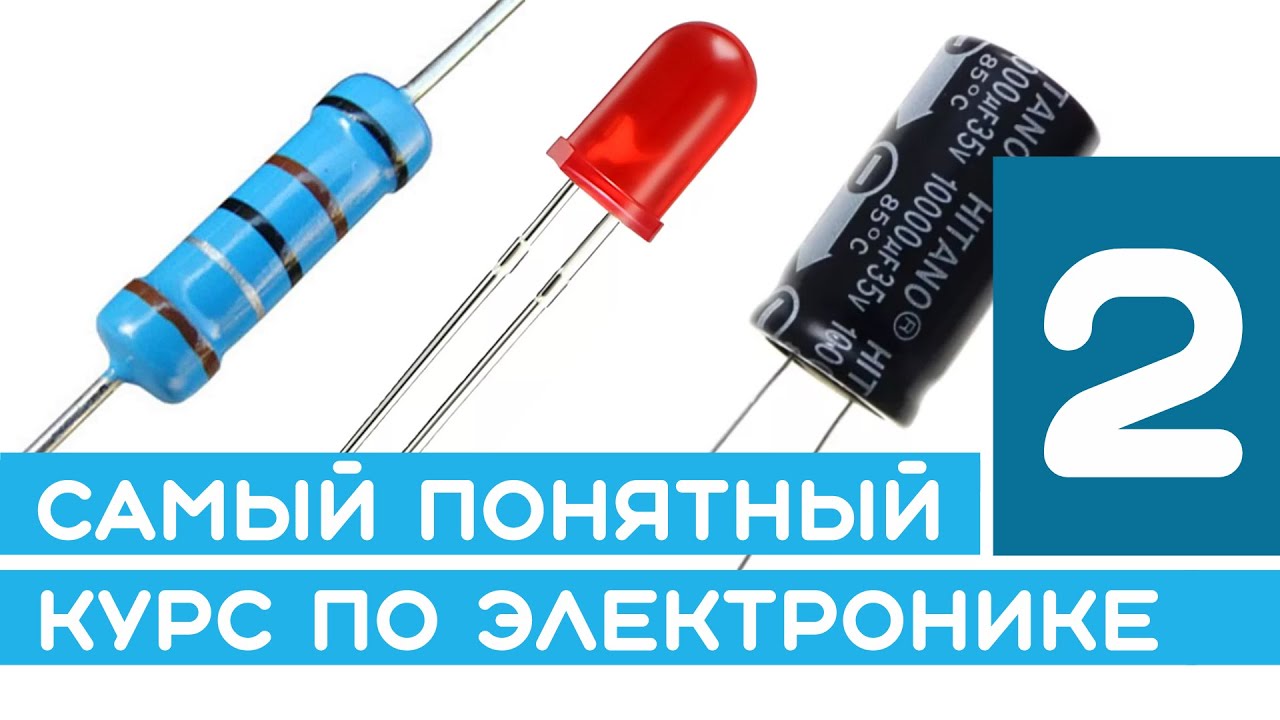
LEDs, or Light Emitting Diodes, are commonly used in digital electronics as visual indicators of the status of a circuit or device. They are semiconductor devices that emit light when current flows through them, and are available in a wide range of colors.
LEDs can be used in a variety of ways in digital circuits, such as:
Indicating the output state of a logic gate - for example, an LED connected to the output of an inverter can indicate whether the input to the inverter is high or low.
Providing visual feedback - for example, an LED can be used to indicate that a device is turned on or off, or to show that a button has been pressed.
Displaying information - multiple LEDs can be used to create a simple digital display to show numbers or letters.
Creating lighting effects - LEDs can be used to create interesting lighting effects in digital art installations or entertainment systems.
LEDs are popular in digital electronics because they are low-cost, consume very little power, and are available in a wide range of colors and sizes. They are also easy to use and can be interfaced with microcontrollers and other digital devices.
Social Media Details
INSTAGRAM = / audiotechpr. .
TWITTER = https://twitter.com/Audiotechproje1?s=08
TELEGRAM = https://t.me/joinchat/B37o5a50hLdlYWZl
WEBSITE = https://audiotechprojects.com
#NotGate
#7404IC
#LogicalGates
#DigitalElectronicsTutorial
#InverterGate
#HexInverter
#BooleanLogic
#BinaryLogic
#ElectronicsEngineering
#DIYElectronics
Повторяем попытку...
Доступные форматы для скачивания:
Скачать видео
-
Информация по загрузке: