The Real Reason Why Allah (SWT) Changed the Qiblah | A Test of Faith from Masjid al-Aqsa to Makkah
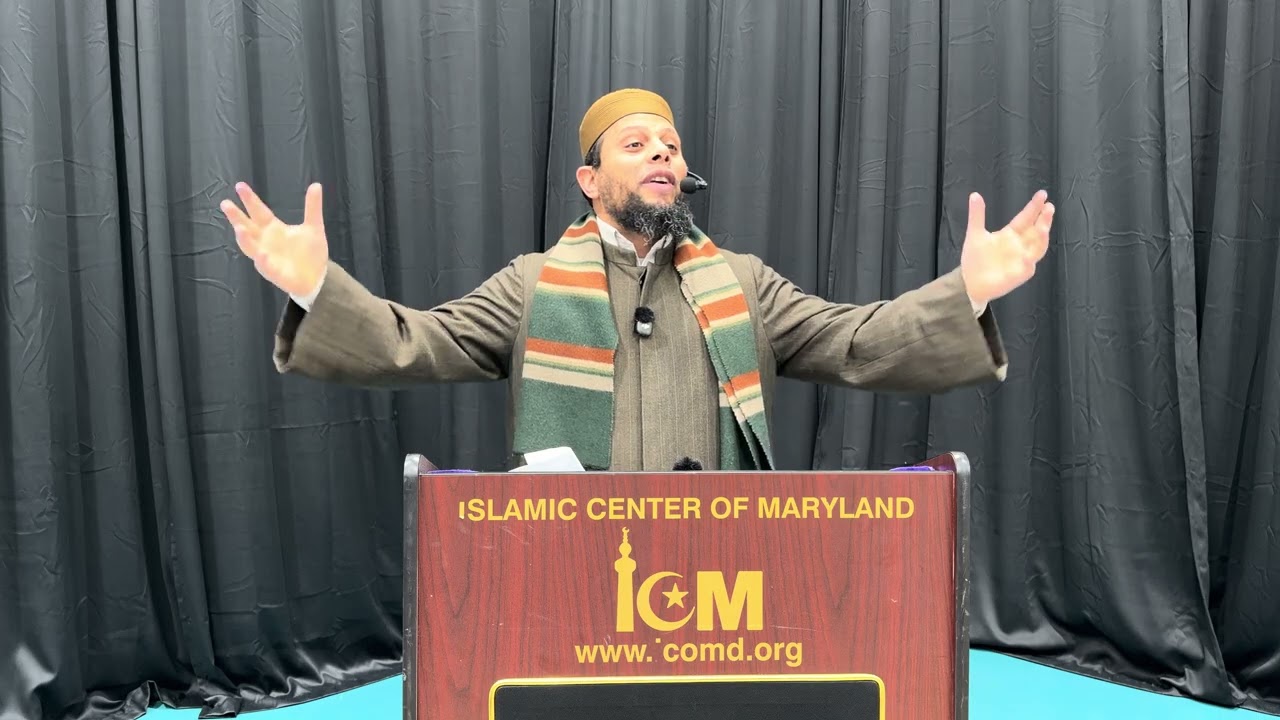
Автор: Imam Ragab Abdelmoneim
Загружено: 2026-02-06
Просмотров: 62
Описание:
Why would Allah (SWT) issue a command so profound that it would test hearts, reveal true obedience, and shape the identity of the Muslim Ummah until the Day of Judgment?
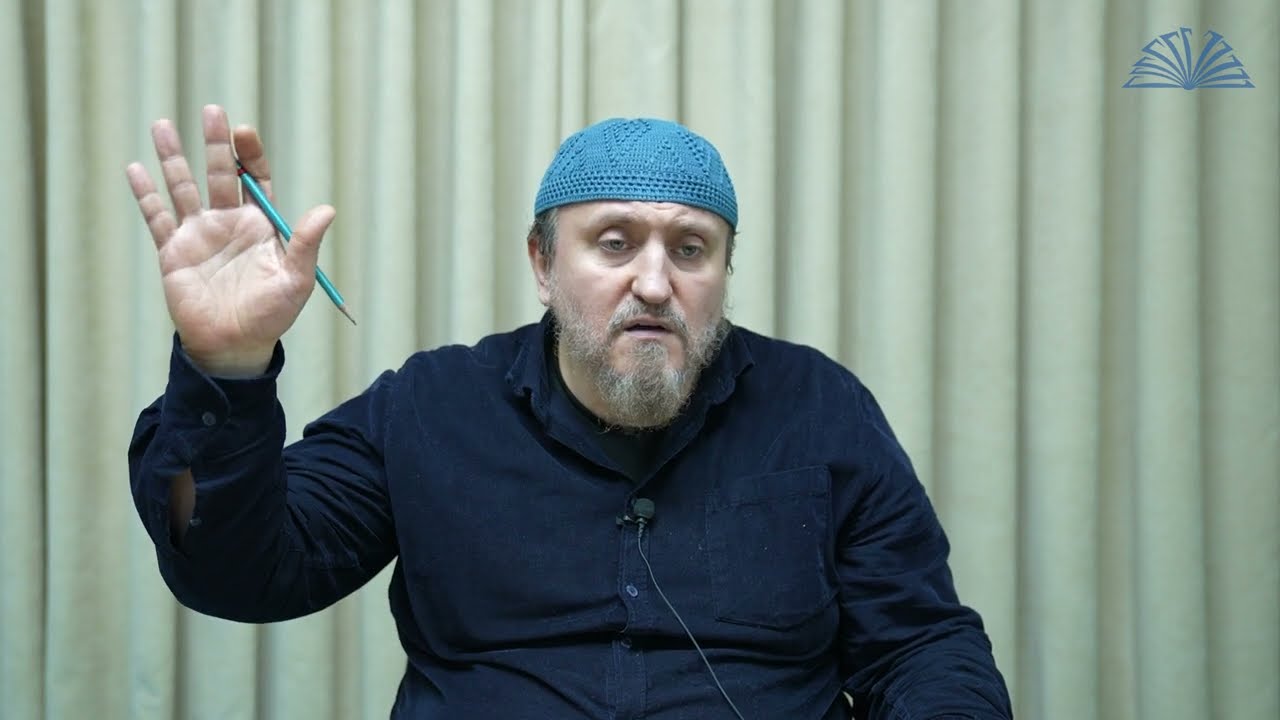
This Jumu‘ah khutbah by Imam Ragab Abdelmoneim opens with the adhan and the glorification of Allah (SWT), الله أكبر (Allahu Akbar), Allah is the Greatest, drawing the hearts of the congregation into remembrance and humility before the Qur’anic discussion begins around 0:08 through 2:33. From the very beginning, the sermon establishes a central principle, every command of Allah (SWT) carries wisdom, whether its purpose is immediately understood or only realized through sincere submission.
As Imam Ragab turns to Surah al-Baqarah around 3:19, the verse قد نرى تقلب وجهك في السماء (Qad narā taqalluba wajhika fī as-samā’), Indeed We see you turning your face toward the heaven, is recited and explained, highlighting the intimate response of Allah (SWT) to the longing of the Prophet ﷺ. The khutbah clarifies that the command to face al-Masjid al-Ḥarām was never a rejection of Masjid al-Aqsa. Masjid al-Aqsa remains eternally honored through the verse سبحان الذي أسرى بعبده ليلًا (Subḥāna alladhī asrā biʿabdihi laylan), Glory be to the One who took His servant by night, affirming its sacred status in Islam. Rather, the change of the Qiblah was a deliberate test from Allah (SWT) to distinguish sincere submission from conditional belief.
By the time the khutbah reaches the historical moment during prayer around 7:56, Imam Ragab describes how the Prophet ﷺ and his companions responded immediately, turning mid prayer without hesitation. This moment demonstrates that īmān, faith, is not merely affirmation of the tongue, but obedience in action. True submission to Allah (SWT) manifests when divine commands challenge habit, comfort, or social expectation.
As the sermon deepens near 11:30, attention is drawn to the reassurance of Allah (SWT) in the verse وما كان الله ليضيع إيمانكم (Wa mā kāna Allāhu liyuḍīʿa īmānakum), And Allah would never let your faith be lost. Scholars explain that this verse confirms all prayers previously offered toward Bayt al-Maqdis were fully accepted. This reinforces a foundational principle of belief, Allah (SWT) never invalidates sincere obedience that was performed according to His command at its proper time.
Around 13:17, the focus shifts from physical direction to spiritual substance with the verse ليس البر أن تولوا وجوهكم قبل المشرق والمغرب (Laysa al-birra an tuwallū wujūhakum qibala al-mashriqi wal-maghrib), Righteousness is not that you turn your faces toward the east or the west. Imam Ragab explains that true righteousness in the sight of Allah (SWT) lies beyond outward form. It includes belief, prayer, charity, fulfillment of trusts, patience, and upright character. The change of the Qiblah thus becomes a timeless lesson that obedience is not symbolic, it is transformative.
As the khutbah continues near 15:21, attention is given to the reaction foretold by Allah (SWT) in the verse سيقول السفهاء من الناس (Sa-yaqūlu as-sufahā’u mina an-nās) The foolish among the people will say. Allah (SWT) anticipated criticism before it occurred, teaching believers that obedience often invites opposition. Faith is not shaped by public approval, but by loyalty to Allah (SWT) and His Messenger ﷺ.
Approaching the later portion of the sermon around 19:13, the Imam reflects on the identity of the Muslim Ummah as described in the Qur’an, وكذلك جعلناكم أمة وسطا (Wa kadhālika jaʿalnākum ummatan wasaṭan), And thus We made you a balanced and just nation. The change of the Qiblah is presented as a defining moment in establishing a community grounded in moderation, justice, and obedience, a community that bears witness to truth through adherence to revelation.
Ya Allah, make our hearts firm upon Your obedience and keep us steadfast upon the truth even when it is difficult. Grant us the strength to follow Your commands without hesitation, the humility to submit even when we do not fully understand, and the sincerity to seek Your pleasure above all else. Do not make our obedience conditional upon comfort, ease, or the approval of people. Protect our hearts from doubt and deviation after You have guided us, unite our hearts upon faith, and make us among those who hear the truth, live by it, and return to You with hearts that are sound. Ameen.
Engaging with this khutbah is more than interaction, it is participation in goodness. In Islam, sharing beneficial knowledge is صدقة جارية (Ṣadaqah jāriyah), ongoing charity. When you share this khutbah, you help spread the guidance of Allah (SWT). When you like or comment, you increase its reach to hearts seeking clarity and faith. When you subscribe, you support the continued transmission of authentic Islamic knowledge rooted in the Qur’an and Sunnah. The Messenger of Allah ﷺ taught that whoever guides someone to good receives a reward like the one who acts upon it, without diminishing their reward.
Повторяем попытку...
Доступные форматы для скачивания:
Скачать видео
-
Информация по загрузке:








![МОЛЬБА К АЛЛАХУ (АД-ДУА)| Готовься к Рамадану | Сладость поклонения [часть 3] Доктор Ахмад Аль-Араби](https://imager.clipsaver.ru/5W3dwKKnS9s/max.jpg)