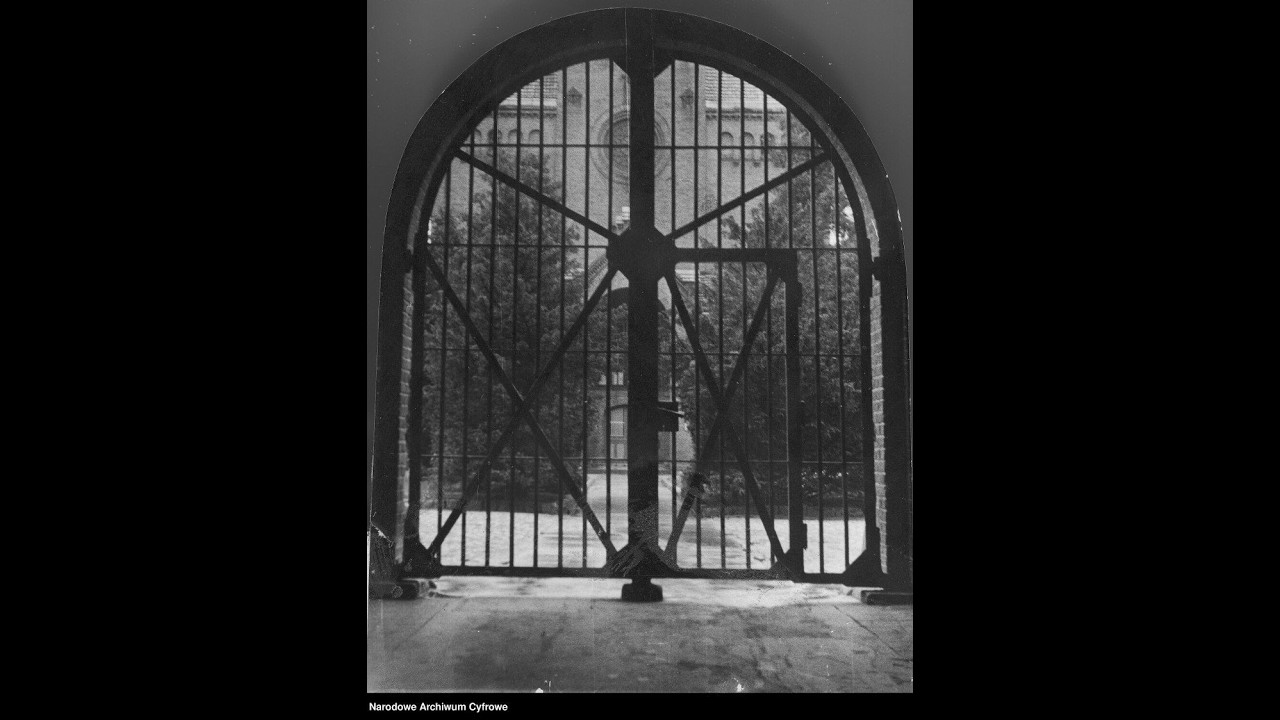
Seventh Circle: Prisons and Political Prisoners in postwar Poland
Автор: Malgorzata Pospiech Dark Political Thrillers
Загружено: 2026-02-15
Просмотров: 20
Описание:
The post-World War II Poland, member of Soviet (Eastern)bloc where members of underground opposition—likely political dissidents—were arrested, investigated (often tortured), processed through courts, sent to prisons or labor camps, and then sometimes released under an amnesty like that of 1953 after Stalin death.
“After the end of World War II, Poland entered a new and turbulent era. Under a Soviet-backed communist government, thousands of soldiers, resistance members, intellectuals, and civilians were arrested, interrogated, and imprisoned.
Many had fought against Nazi Germany as part of the underground resistance. Yet in the years that followed, they were labeled enemies of the state and locked away in prisons across the country.
Were they heroes who resisted tyranny, or victims of political repression?
This teaser introduces the story of Poland’s political prisoners between 1945 and 1956—a time when the war was over, but the struggle for freedom was far from finished.Seventh Circle” is a metaphorical reference to the deepest, most severe level of repression, reminiscent of Dante’s circles of hell.
Dissidents or underground opposition members were often arrested arbitrarily, accused of anti-state activity, espionage, or counterrevolution.
Investigations were brutal:
Torture and psychological pressure were routine to force confessions.
Prisoners were sometimes held in solitary confinement, with minimal contact with the outside world.
Interrogations could last months or even years, with forced denunciations of comrades
Court Proceedings
Trials were formalities, often called “show trials.”
Evidence was fabricated or coerced.
Sentences were predetermined: many received long prison terms, labor camp sentences, or death.
The judicial system was a tool of political repression, not impartial justice.
Prisons and Labor Camps
After sentencing, prisoners were sent to:
High-security prisons: Harsh conditions, overcrowding, disease.
Gulag-style labor camps: Forced labor in mines, construction, logging, often in Siberia or remote regions.
Life expectancy in some camps was low due to starvation, exhaustion, and abuse.
Prisoners were subject to hierarchy among inmates, often facing violence from criminal elements as well as guards.
Amnesty in 1953
After Stalin’s death, many prisoners who survived, were released.
Повторяем попытку...
Доступные форматы для скачивания:
Скачать видео
-
Информация по загрузке:



![Эффект Джанибекова [Veritasium]](https://imager.clipsaver.ru/N9HlQ-XVnFk/max.jpg)