Why Martin Margiela’s Hermès Era Changed Fashion Forever
Автор: One Fashion Question
Загружено: 2025-01-06
Просмотров: 3620
Описание:
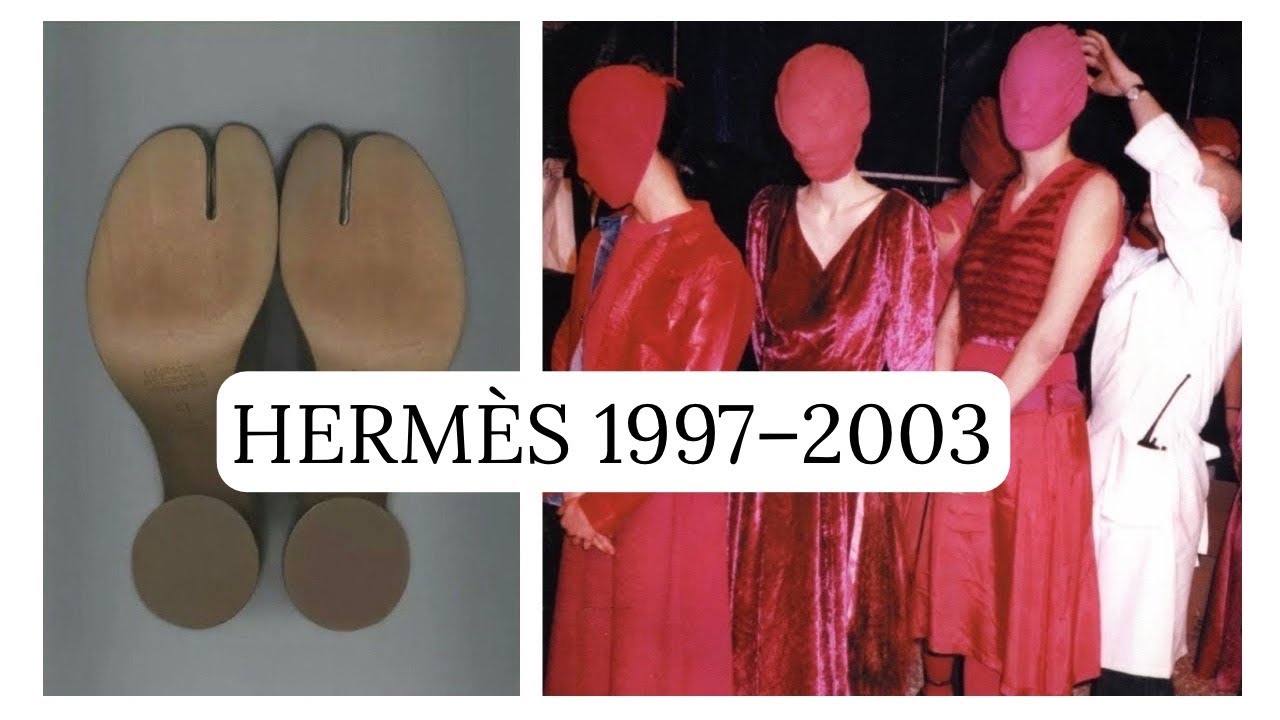
Martin Margiela’s tenure at Hermès (1997–2003) is often regarded as one of the most understated yet transformative periods in fashion history. At a time when luxury was heavily associated with logos, overt opulence, and the rise of celebrity culture, Margiela introduced a radical approach: quiet luxury. His vision was a departure from the trend-driven spectacle of the late 1990s and early 2000s, focusing instead on timeless elegance, impeccable tailoring, and the inherent beauty of simplicity.
Margiela’s Vision for Hermès
Margiela approached Hermès with a singular focus: to serve the needs of real women. He eschewed flashy embellishments, bold logos, and gimmicks, instead embracing a philosophy of functional luxury. His collections emphasized timelessness, crafting pieces designed to be worn for decades rather than seasons.
Neutral color palettes dominated his collections—beiges, blacks, and greys—allowing the craftsmanship and materials to take center stage. Margiela worked with the finest cashmeres, silks, and leathers, creating garments that were luxurious yet unassuming. His designs often featured loose silhouettes, reversible pieces, and layering, prioritizing comfort without sacrificing sophistication.
Quiet Luxury and Subtle Subversion
Margiela’s Hermès years introduced the concept of “quiet luxury” to a world obsessed with branding. In an era when logos were status symbols, Margiela’s designs were refreshingly logo-free. This approach subtly subverted the industry’s norms, placing the emphasis back on quality, tailoring, and wearability.
One of his most innovative moves was creating pieces that adapted to women’s lives. Reversible coats, adjustable trousers, and multi-functional knitwear reflected his understanding of practicality as a form of elegance. Margiela’s Hermès was about empowerment—providing women with clothing that worked with their lifestyles rather than dictating them.
The Industry’s Reaction
While critics and the fashion press initially struggled to understand Margiela’s restrained approach, his influence became undeniable. His collections for Hermès were a stark contrast to the maximalism of the time, but they resonated deeply with Hermès’ clientele. Margiela understood that true luxury wasn’t about making a statement—it was about delivering exceptional quality and thoughtful design.
His philosophy also reshaped how the fashion industry viewed luxury. Margiela demonstrated that quiet confidence could be as powerful as bold expression. His work paved the way for modern minimalist designers like Phoebe Philo and The Row, who embraced the idea that simplicity and refinement could coexist with cutting-edge design.
Legacy and Lasting Impact
Margiela’s Hermès era proved to be ahead of its time. Today, “quiet luxury” has become a dominant trend, appealing to consumers seeking timeless pieces that prioritize craftsmanship over logos. His work during these years stands as a blueprint for the modern luxury wardrobe, emphasizing longevity and adaptability.
Furthermore, Margiela’s tenure at Hermès challenged the notion that high fashion must always be extravagant. By focusing on real women and their needs, he created collections that were not only revolutionary but also profoundly human.
Martin Margiela’s Hermès years remain a landmark in fashion history. His quiet revolution redefined the meaning of luxury, steering it away from ostentation and toward timeless elegance. In doing so, he not only changed Hermès but also influenced the trajectory of fashion itself.
Today, as the fashion industry increasingly embraces sustainability and slow fashion, Margiela’s approach feels more relevant than ever. His Hermès era was more than a period of exceptional design—it was a testament to the enduring power of simplicity, functionality, and quiet sophistication.
____
Subscribe to this channel:
/ @fashionquestion
Contact me: [email protected]
_____
Disclaimer: The images and videos used in this video are not owned or created by One Fashion Question.
All the videos, images and musics used in this video belong to their respective owners and this channel does not claim any right over them.Copyright Disclaimer under section 107 of the Copyright Act of 1976, allowance is made for “fair use” for purposes such as criticism, comment, news reporting, teaching, scholarship, education and research.Fair use is a use permitted by copyright statute that might otherwise be infringing.
_____
#fashionhistory #margiela #90sfashion
Повторяем попытку...
Доступные форматы для скачивания:
Скачать видео
-
Информация по загрузке: