Why Eisenhower Kept Defending the Berlin Decision — Long After the War Ended
Автор: WW2 AFTERMATH
Загружено: 2026-02-22
Просмотров: 35
Описание:
April 1945. American Ninth Army reached the Elbe River, fifty miles from Berlin. General William Simpson believed his forces could reach the German capital in forty-eight hours.
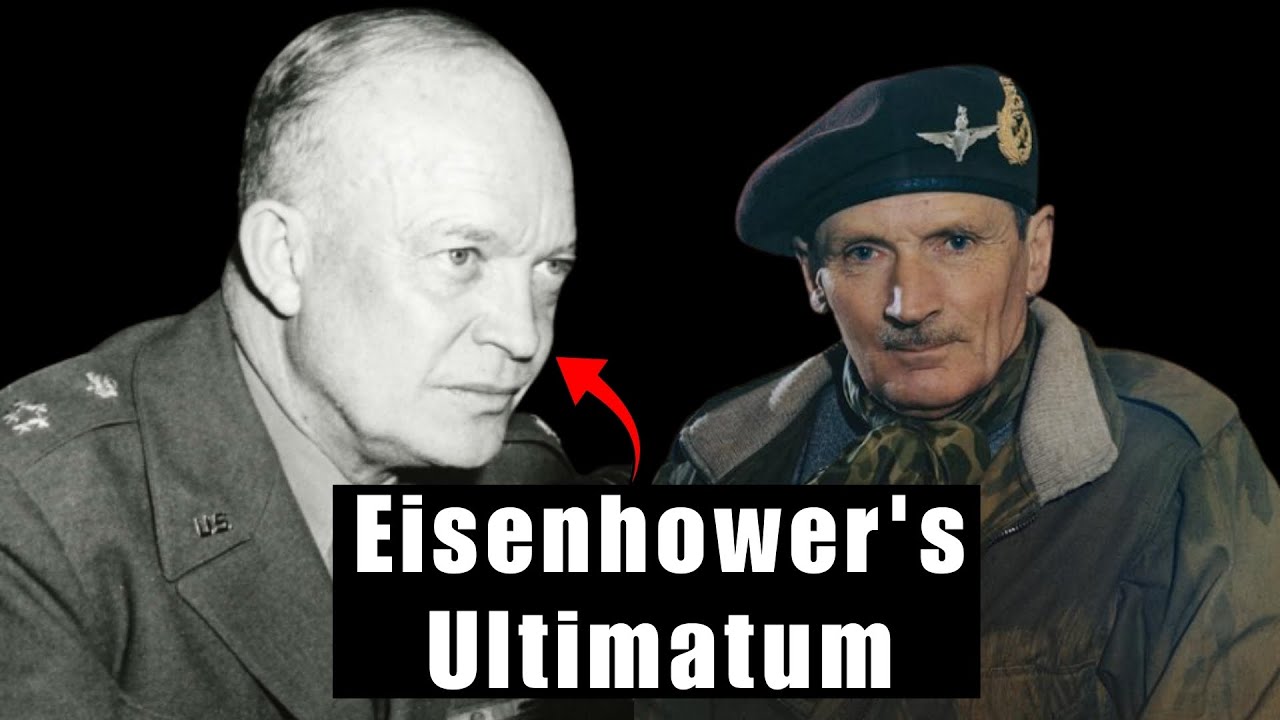
Supreme Commander Dwight Eisenhower said no. Stop at the Elbe. Do not advance to Berlin.
Berlin fell to Soviet forces three weeks later. The war ended in May 1945.
The argument about that decision never did.
This video examines why Eisenhower stopped American forces fifty miles from Berlin, the military logic behind his choice, and why he found himself defending that decision more than perhaps any other for the next twenty-four years until his death in 1969.
SOURCES
This analysis draws from Eisenhower's memoir "Crusade in Europe" published 1948, Churchill-Eisenhower correspondence from April 1945, declassified military cables, Patton's diary entries, and historical assessments of the Berlin decision.
Eisenhower's position is documented in his March 28, 1945 cable to Marshall and subsequent correspondence. Churchill's opposition is documented in multiple April 1945 cables. The Berlin Wall connection and Eisenhower's continued explanations through the 1950s and 1960s are documented in press interviews and public statements.
You might also like:
What German Prisoners Heard About Patton — And Why Headquarters Got Nervous
Why Bradley Stopped Patton at Falaise — And Patton Couldn't Say Why
Churchill's Bodyguard Saved His Life 20 Times — Then the Government Threatened His Pension
April 1945. Eisenhower chose military logic over political symbolism. August 1961. Berlin Wall built, two years before his death.
Was the decision right in 1945, or did Cold War prove Churchill saw what Eisenhower missed?
📚 HISTORICAL ACCURACY & DRAMATIZATION NOTICE
This video is based on verified historical records, military
archives, and documented accounts.
To enhance the narrative experience, some scenes have been
dramatized and dialogue has been reconstructed from historical
documentation, after-action reports, and witness testimony.
Sources consulted:
National Archives and Records Administration
US Army Historical Division reports
Published military histories and memoirs
Declassified documents
For academic research, please consult primary sources and
professional historians.
Повторяем попытку...

Доступные форматы для скачивания:
Скачать видео
-
Информация по загрузке: