Millennials 201: The Boomerangers, with Paul Taylor | Big Think
Автор: Big Think
Загружено: 2014-09-24
Просмотров: 28789
Описание:
Millennials 201: The Boomerangers, with Paul Taylor
Watch the newest video from Big Think: https://bigth.ink/NewVideo
Join Big Think Edge for exclusive videos: https://bigth.ink/Edge
----------------------------------------------------------------------------------
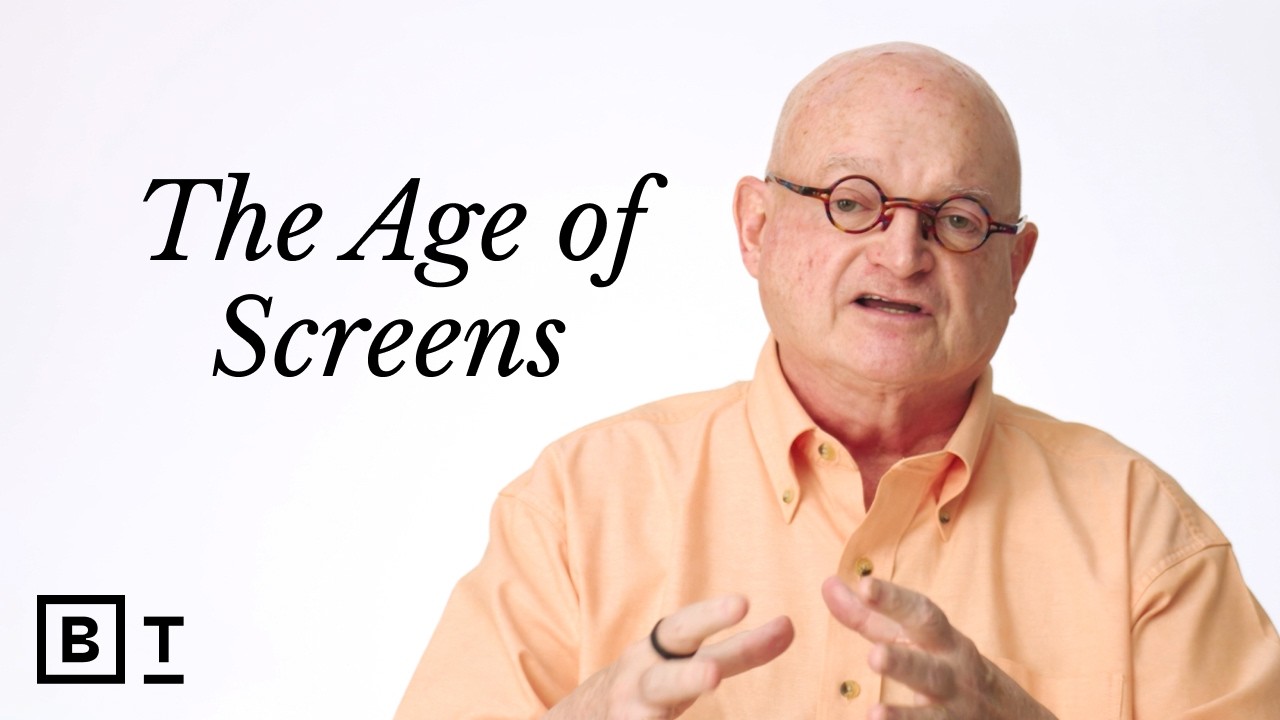
Paul Taylor, Executive VP of Special Projects at the Pew Research Center, discusses the phenomenon of boomerangers: millennials who come back home to live with their parents after college. Taylor also posits a few theories as to why millennials are one of the least trusting generations. Paul Taylor is the author of "The Next America: Boomers, Millennials, and the Looming Generational Showdown."
----------------------------------------------------------------------------------
PAUL TAYLOR:
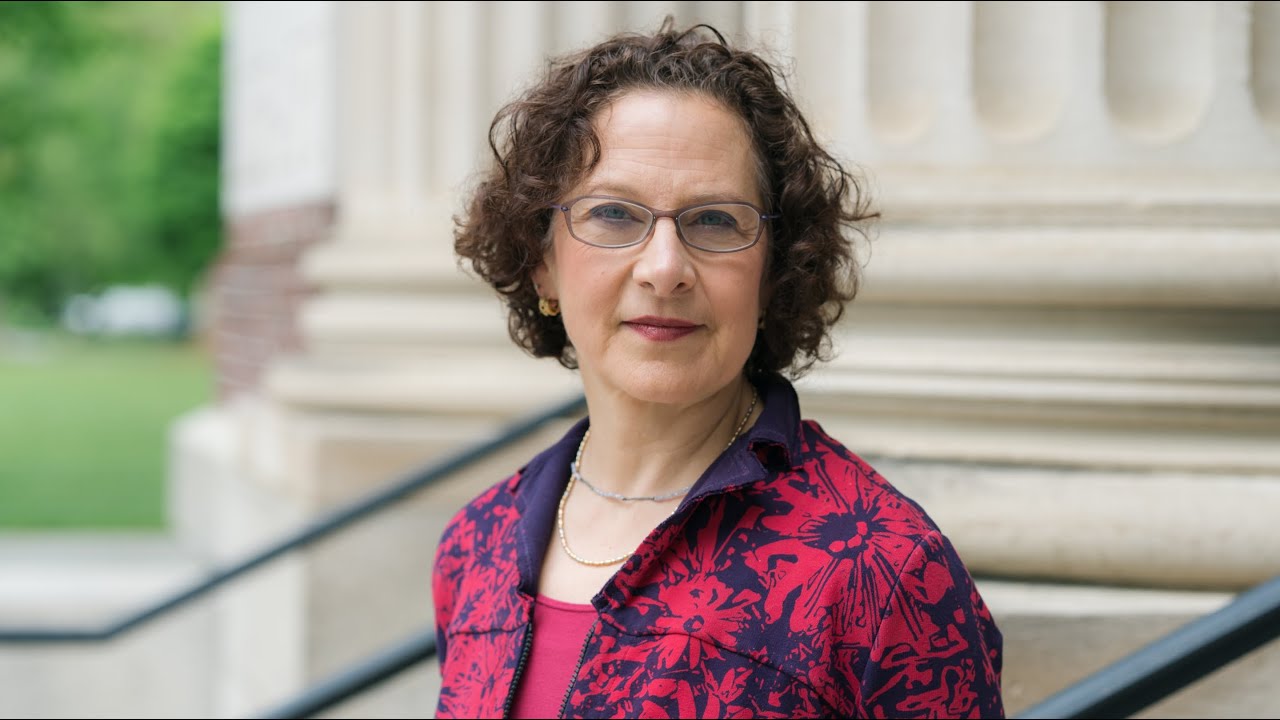
Paul Taylor is a senior fellow and former executive vice president at the Pew Research Center, where he oversaw demographic, social and generational research. Taylor is the author of The Next America, a new book examining generations and the country’s changing demographics. From 1996 through 2003, he served as president and board chairman of the Alliance for Better Campaigns. Before that, he was a newspaper reporter for 25 years, the last 14 at The Washington Post, where he covered national politics and served as a foreign correspondent. From 1992-1995, he was the Post’s bureau chief in South Africa and reported on the historic transformation from apartheid to democracy. He also covered four U.S. presidential campaigns. Taylor is also the author of See How They Run (Knopf, 1990) and co-author of The Old News Versus the New News (Twentieth Century Fund, 1992). He twice served as the visiting Ferris Professor of Journalism at Princeton University, in 1989 and 1995. He graduated in 1970 with a bachelor’s in American Studies from Yale University. Taylor has lectured at numerous colleges and frequently discusses Pew Research studies in print and broadcast media.
----------------------------------------------------------------------------------
TRANSCRIPT:
Paul Taylor: One of the economic and cultural changes that we’ve seen pretty dramatically in the last few decades is the share of young adults who never leave home even after they go through their schooling or at some point in their young lives boomerang back home. And we estimate than more than 40 percent, nearly half of all millennials have either never left, never launched if you will or at some point have boomeranged back home. Now if you can’t find a job, if you’re underemployed, if you’re in a non-paying internship, all those sorts of journeys – mom and dad’s home ain’t a bad place to hang out, you know. The refrigerator is usually stocked and you don’t have to put coins in the laundry. And interestingly I think there was, in my generation there was some stigma attached to that, you know. Get on with your life already for goodness sake. You know, we’ve done some surveying of both the parents of such young adults and young adults themselves looking for tension within those homes, looking for conflict, looking for stigma.
And frankly we don’t find that much. In part because it has become more commonplace and people sort of understand, yeah, that’s the nature of the slow passage into adulthood. You know, there are societies in the world and southern Europe, particularly Italy comes to mind where culturally young men have been living with their mothers, you know, into their thirties and forties – bamboccioni is big baby and mammismo is mama’s boy. And some of this is cultural. Some of this is clearly economic and Europe frankly has the same challenges with not enough jobs for young adults that we have. So a lot of the world is going through this. I think the silver lining is that there don’t seem to be a lot of stresses. Again, I speak as a baby boomer who came of age in the sixties and there was a whiff of generation war in the air. It was a time when there was, you know, women’s rights movement, civil rights movement, anti-war protests. There was a feeling that the older generation had screwed everything up and thank God here we were to make everything right. There was almost a sort of a finger of accusation pointed at the older generation. You see virtually none of that within the younger generation.
In some ways I have a sense from our surveys that young adults have sort of seamlessly migrated from being the children of their parents in many cases to being the roommates of their parents. And they have similar interests and they text each other and they get on with their lives and there’s a certain sort of resilience there. That’s a snapshot of a moment, you know, in this slower passage to adulthood.
Read the full transcript at https://bigthink.com/videos/paul-tayl...
Повторяем попытку...

Доступные форматы для скачивания:
Скачать видео
-
Информация по загрузке: