Solvent Safety
Автор: Phani EHS info
Загружено: 2024-06-06
Просмотров: 211
Описание:
Understanding Solvents: Properties, Types, and Applications
Introduction to Solvents:
Definition: A solvent is a liquid substance capable of dissolving other substances (solutes) without undergoing chemical changes.
Solvents play a crucial role in various industries due to their ability to dissolve different materials.
Types of Solvents:
Inorganic Solvents:
Do not contain carbon.
Examples: Water, liquid anhydrous ammonia, concentrated sulfuric acid.
Organic Solvents:
Contain carbon and oxygen in their composition.
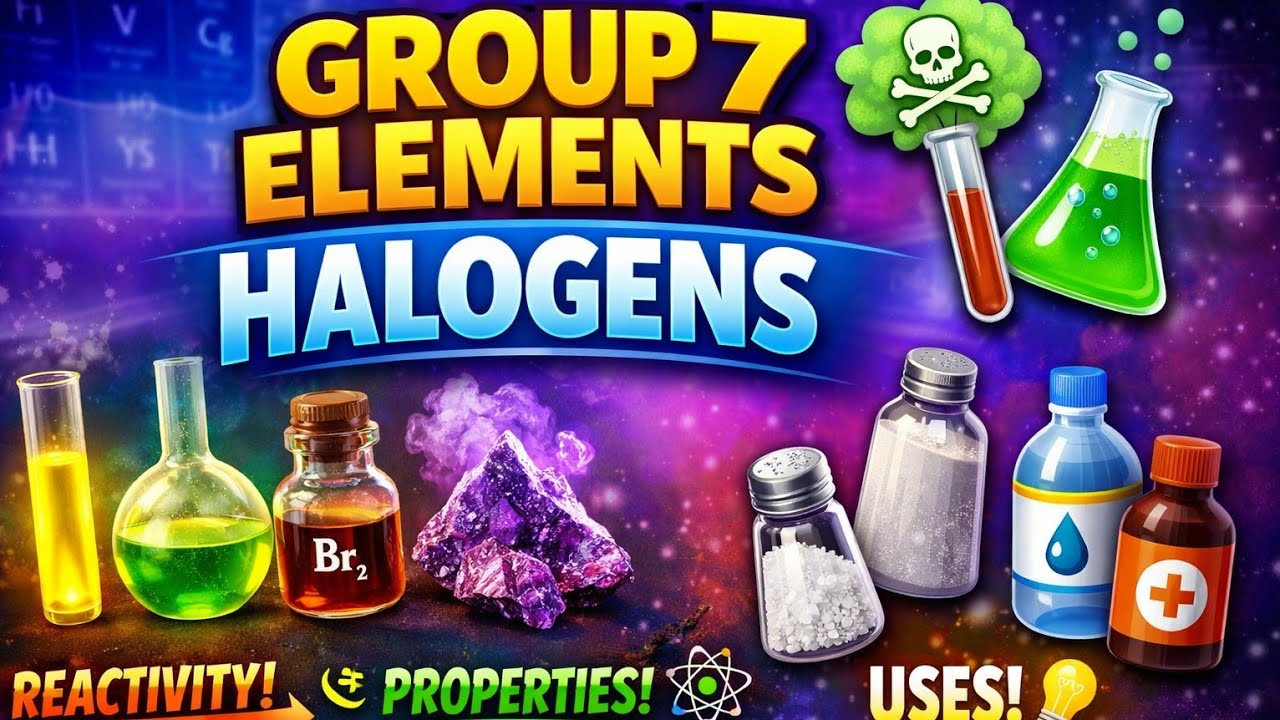
Examples: Alcohols, glycol ethers, hydrocarbon solvents, halogenated solvents.
Uses of Solvents:
Found in numerous applications including paints, coatings, cleaning products, and industrial processes.
Properties of Solvents:
Volatility and Vapor Pressure:
Measure the tendency of a liquid to vaporize.
High vapor pressure indicates high volatility.
Vapor Density:
Determines whether a substance will rise or stay low to the ground compared to air.
Impacts the risk of inhalation and dispersion.
Relative Density or Specific Gravity:
Ratio of a substance's density to the density of a reference material (usually water).
Determines whether a substance will float or sink in water.
Boiling, Melting, and Freezing Points:
Boiling point: Temperature at which vapor pressure equals atmospheric pressure.
Melting point: Temperature at which a solid changes to a liquid.
Freezing point: Temperature at which a liquid changes to a solid.
Flash Point and Flammability Limits:
Flash point: Lowest temperature at which vapors form an ignitable mixture with air.
Flammability limits: Range of vapor concentrations in air that can result in fire or explosion.
Auto Ignition Temperature and Decomposition Temperature:
Auto ignition temperature: Minimum temperature at which a vapor-air mixture spontaneously ignites.
Decomposition temperature: Temperature at which a substance chemically decomposes.
Conductivity and Reactivity:
Conductivity: Determines whether solvents are polar (conductive) or nonpolar (insulative).
Reactivity: Measures the tendency of substances to undergo chemical change.
Safety Considerations:
Reactive chemical hazards can lead to uncontrolled reactions, posing risks to people, property, and the environment.
Understanding and controlling chemical reactions are essential for safety in industrial processes.
Conclusion:
Solvents are versatile substances with diverse properties and applications.
Proper understanding of solvent properties and safety considerations is crucial for their effective and safe use in various industries.
Повторяем попытку...
Доступные форматы для скачивания:
Скачать видео
-
Информация по загрузке: