A Brief History of the Ruins of St. Paul's Macao
Автор: Fact Check
Загружено: 2022-08-24
Просмотров: 451
Описание:
@Fc0231
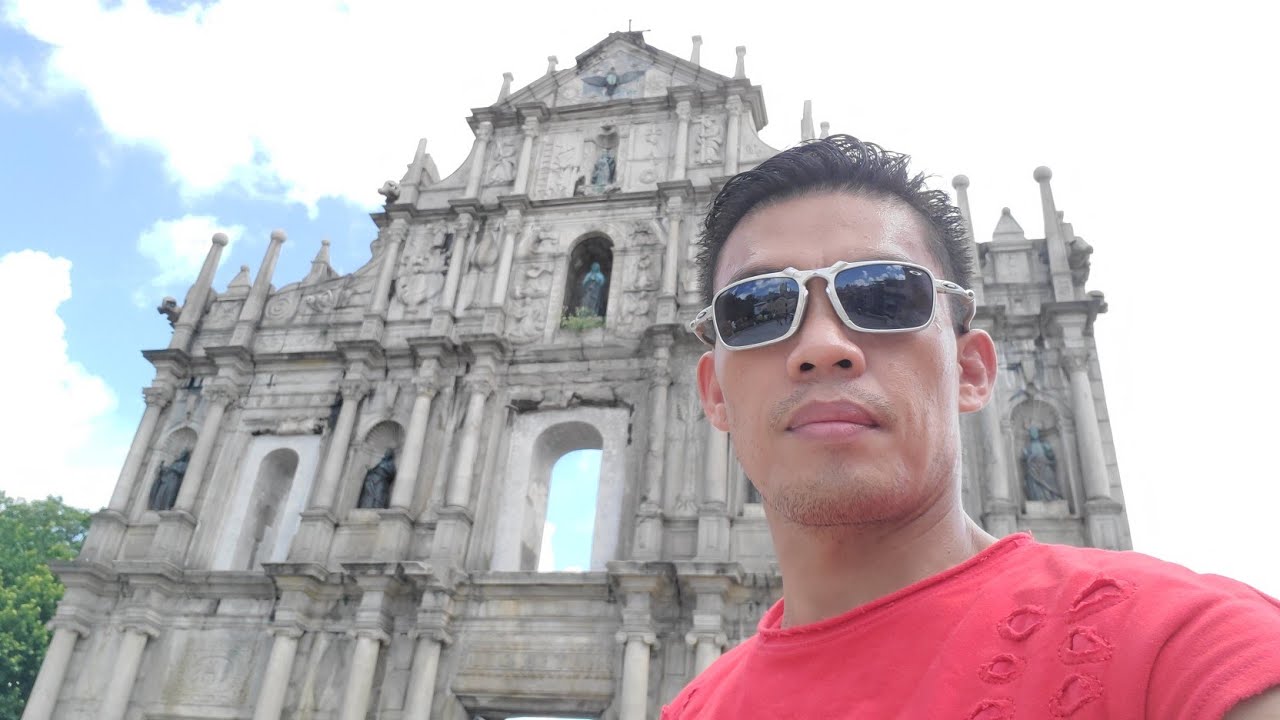
The Ruins of St. Paul's Church, Macau
The city of Macau in Southern China might be best known for its casinos and luxury hotels, but its most treasured icon is actually a church, or what remains of it.
The Church of St. Paul, also known as "Mater Dei", is a 17th-century Portuguese church dedicated to Saint Paul the Apostle. It was constructed from 1602 to 1640 by Jesuit priests who travelled to the Far East to spread Catholicism. Indeed, the Jesuits first entered China through the Portuguese settlement on Macau, and the Church of St. Paul was its first church. Originally, the church complex also included what was then the first Western university in East Asia. The church itself was one of the largest Catholic churches in Asia at the time.
Most of the church was built of wood, but it had a magnificent façade constructed of granite blocks. This is the only part of the building that survived the typhoon and the subsequent fire that consumed the rest of the church in 1835. This was the third fire in the church’s history.
The original church was built in 1580, but it caught fire twice— in 1595 and again in 1601—prompting the Jesuits to start rebuilding. The original granite-block front wall was enlarged and a granite façade carved by Japanese Christians was added between 1620 and 1627. After the third fire destroyed the church, it was not rebuilt because by then it was already abandoned by more than seventy years after the Jesuits were expelled by the Portuguese authorities. The wall and façade, however, was strengthened.
Повторяем попытку...
Доступные форматы для скачивания:
Скачать видео
-
Информация по загрузке: