7 steps to Staying Safe in War or Crisis
Автор: Protect Yourself Web
Загружено: 2023-10-23
Просмотров: 671
Описание:
During times of war or crisis, ensuring your safety and maintaining a low profile is crucial. Here are steps to consider for staying hidden and safe.
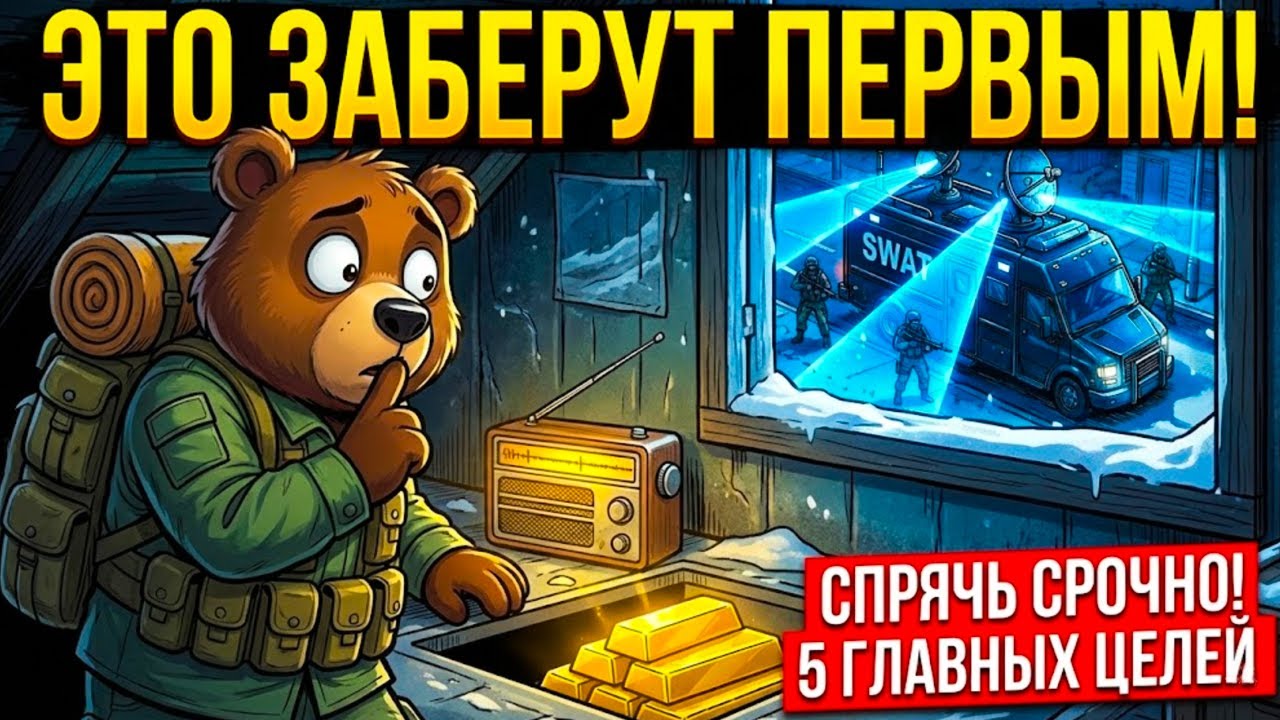
Number 1: Keep a Low Profile: Avoid drawing attention to yourself by dressing inconspicuously, not displaying wealth, and not engaging in public debates or discussions that could be politically sensitive. Staying under the radar is essential for personal safety.
Number 2: Stay Informed: Keep up with the latest news and developments in your area to understand the local situation and make informed decisions about your safety. Knowledge is a powerful tool for staying out of harm's way.
Number 3: Maintain a Safe Location: If possible, secure a safe location away from areas of conflict, such as a well-fortified home or a shelter with essential supplies. This may involve relocating temporarily to a safer region or country.
Number 4: Travel Cautiously: If you must move around, do so with caution. Travel during daylight hours when visibility is better, and try to blend in with the local population. Avoid known checkpoints or dangerous areas.
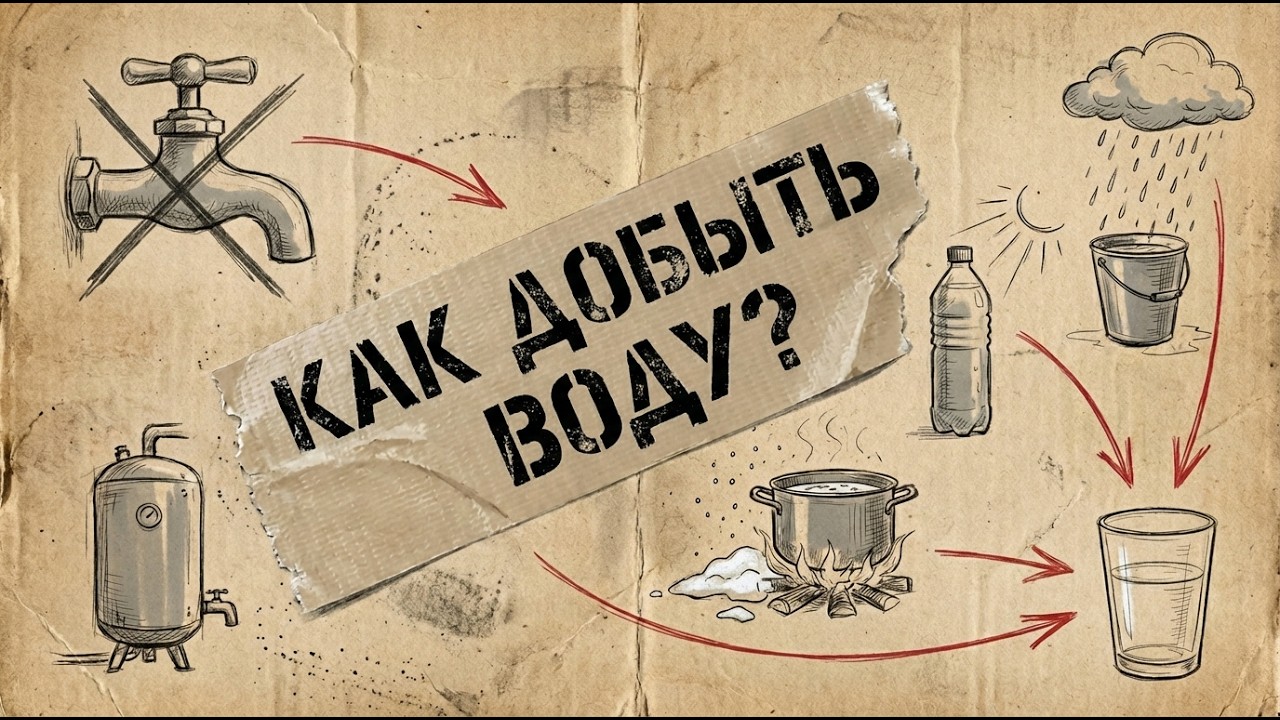
Number 5: Keep Emergency Supplies: Have essential supplies on hand, including food, water, first-aid kits, and necessary medications. These supplies can sustain you during periods of instability or conflict.
Number 6: Maintain Communication: Establish a way to communicate with loved ones, either through a secure communication method or a designated emergency contact. This is crucial for staying connected and for someone to know your whereabouts.
Number 7: Avoid Social Media and Digital Footprints: Be extremely cautious with your online presence. Refrain from sharing sensitive information or your location on social media. Assume that digital communication may be monitored.
Number 8: Build a Support Network: Connect with like-minded individuals or trustworthy friends and neighbors. Mutual support can be essential for information-sharing and safety during a crisis.
Number 9: Learn Basic Survival Skills: Understanding basic survival skills such as first aid, fire-starting, and navigation can be invaluable in emergencies. These skills can help you sustain yourself and your family in difficult situations.
Number 10: Observe Curfews and Local Rules: Respect local laws and curfews, and be mindful of any restrictions imposed during wartime. Non-compliance may put you at risk.
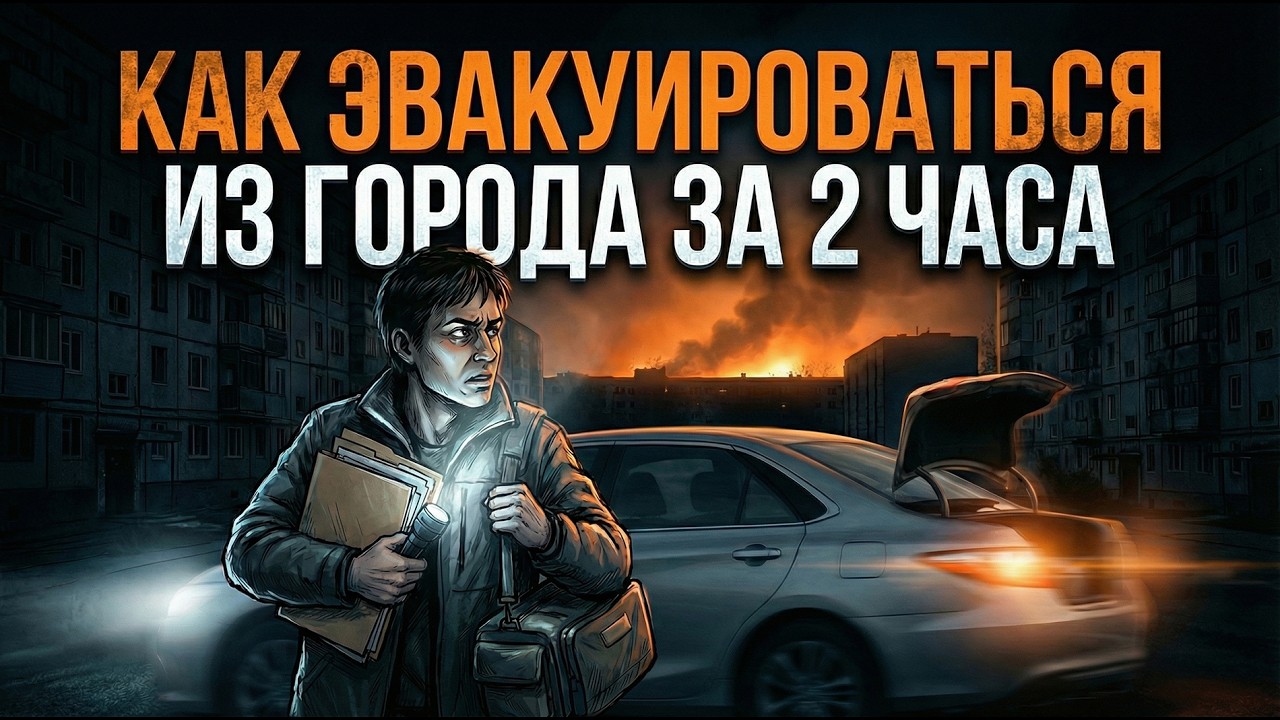
Number 11: Be Prepared for Evacuation: Have a "go-bag" or emergency evacuation kit ready, containing important documents, identification, some cash, and other essentials in case you need to leave your location quickly.
Number 12: Maintain Privacy and OpSec: Practice operational security (OpSec) by not discussing sensitive matters in public or in the presence of individuals who may not be trustworthy. Be cautious about who you share information with.
Remember that the specific steps you take will depend on the nature and proximity of the conflict, as well as your personal circumstances. Safety should always be the top priority, and it's essential to adapt to the evolving situation to protect yourself and your loved ones.
Повторяем попытку...

Доступные форматы для скачивания:
Скачать видео
-
Информация по загрузке: