The Hormuz Crisis Explained
Автор: Open Source Strategic Intel
Загружено: 2026-03-04
Просмотров: 3
Описание:
The conflict between the United States, Israel, and Iran entered its fourth day with sustained military operations, widening regional disruption, and growing economic consequences for energy markets, shipping, and aviation.
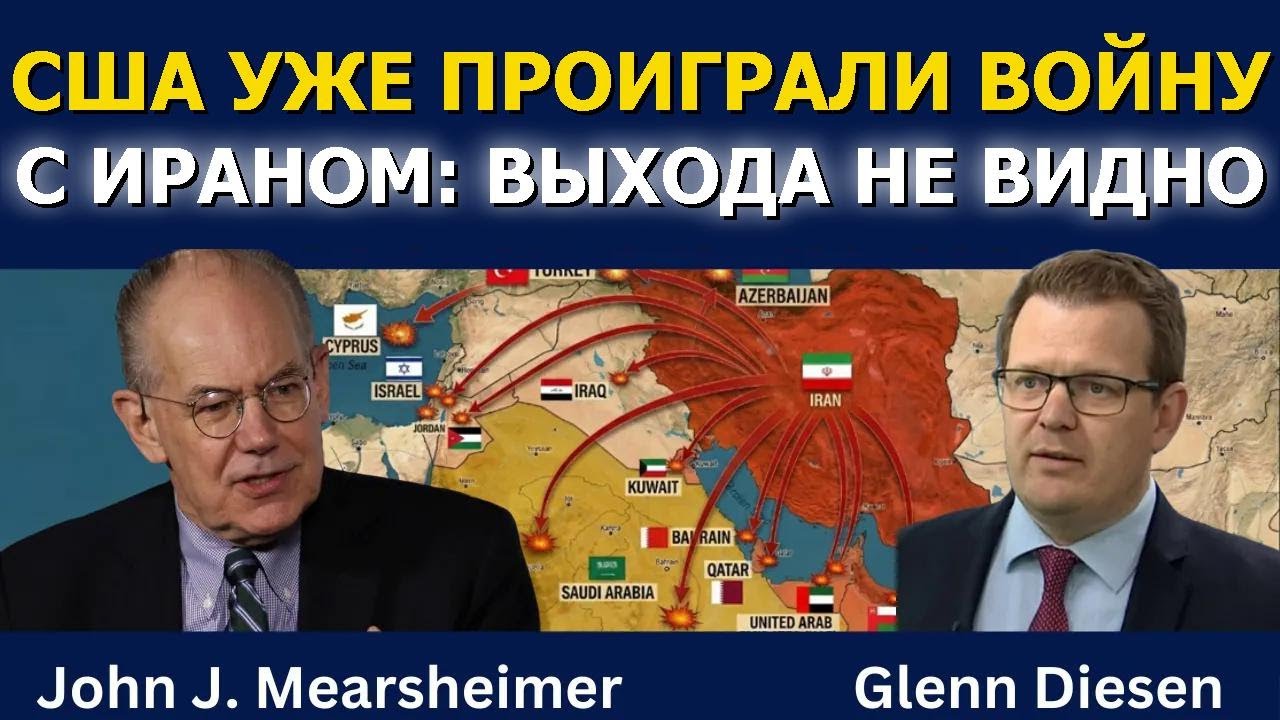
Militarily, U.S. and Israeli forces continued precision strike operations against Iranian military infrastructure and command networks, while Iran maintained retaliatory missile and drone attacks targeting Israeli territory, Gulf-region bases, and maritime infrastructure. Gulf states remained on heightened air-defense alert, intercepting incoming missiles and drones. Iranian attacks have also expanded to maritime and port facilities in Oman, including strikes on Duqm Port and nearby oil tankers, indicating an effort to pressure regional logistics and energy supply routes.
The most significant economic and operational development remains the disruption in the Strait of Hormuz. Iran’s Islamic Revolutionary Guard Corps has warned commercial vessels not to transit the waterway, effectively halting most traffic through a passage responsible for roughly 20% of global oil shipments. Tanker traffic has collapsed and more than 150 vessels are stranded or rerouted.
The shutdown has triggered major changes in maritime risk management. Marine insurers have begun canceling war-risk coverage for ships operating in the Gulf and adjacent waters, dramatically raising shipping costs and leaving many shipowners unwilling to enter the area. Freight rates for crude carriers have surged to record levels as markets scramble to source alternative supply routes.
Energy markets reacted sharply. Brent crude prices jumped roughly 10–15%, reaching the low-$80 range amid fears of sustained supply disruption. Analysts warn that if the strait remains closed or unsafe, prices could approach $100 per barrel. Global equities have shifted into a “risk-off” posture while commodities such as oil and gold rise.
Commercial aviation has also been affected. Several Gulf states closed portions of their airspace due to missile and drone threats, forcing airlines to reroute or cancel flights across the Middle East. The aviation disruption compounds economic effects in tourism and logistics.
Diplomatically, international pressure for de-escalation is increasing. The United Nations has called for restraint and investigations into civilian casualties. European governments and regional powers are urging negotiations while preparing defensive deployments to protect regional bases and shipping lanes.
Outlook (24–48 hours):
Military operations are expected to continue at a similar tempo, with Iranian missile/drone launches and U.S.–Israeli strike cycles likely to persist. The most critical variable will be maritime security in the Strait of Hormuz; discussions are underway about naval escort operations for oil tankers and expanded coalition protection of shipping routes. If shipping disruption continues, energy and insurance markets could experience further volatility.
Повторяем попытку...

Доступные форматы для скачивания:
Скачать видео
-
Информация по загрузке: