Why Most Fruit Trees Become Unproductive After 5 Years | Science Garden
Автор: Garden Science
Загружено: 2026-02-02
Просмотров: 27
Описание:
🌱 WHO THIS IS FOR:
✓ Backyard gardeners who want long-term productivity
✓ Homesteaders and small-space growers
✓ Anyone struggling with declining fruit harvests
✓ Gardeners wanting to optimize pruning, soil, and energy management
📌 WHAT YOU’LL LEARN:
→ Why most fruit trees decline after five years
→ How pruning affects energy allocation and fruiting
→ Soil, water, and nutrient strategies for long-term success
→ Spacing, sunlight, and canopy management tips
→ Choosing resilient, productive varieties
→ How to design a layered, year-round food system
💡 Transform your backyard into a consistent, productive orchard that feeds your family for decades. Subscribe to Science Garden for more practical guides, seasonal strategies, and system-based gardening tips that actually work. Like this video if it helped clarify why fruit trees fail and how to fix it, and turn on notifications so you never miss a lesson on building a resilient, long-term backyard food system.
🔑 KEYWORDS:
fruit tree productivity, backyard orchard tips, why fruit trees fail, pruning techniques, winter pruning, summer pruning, apple tree productivity, pear tree care, peach tree harvest, fruit tree energy allocation, backyard food system, long-term gardening, perennial fruit trees, sustainable home orchard, food security gardening, self-sufficient backyard, resilient fruit trees
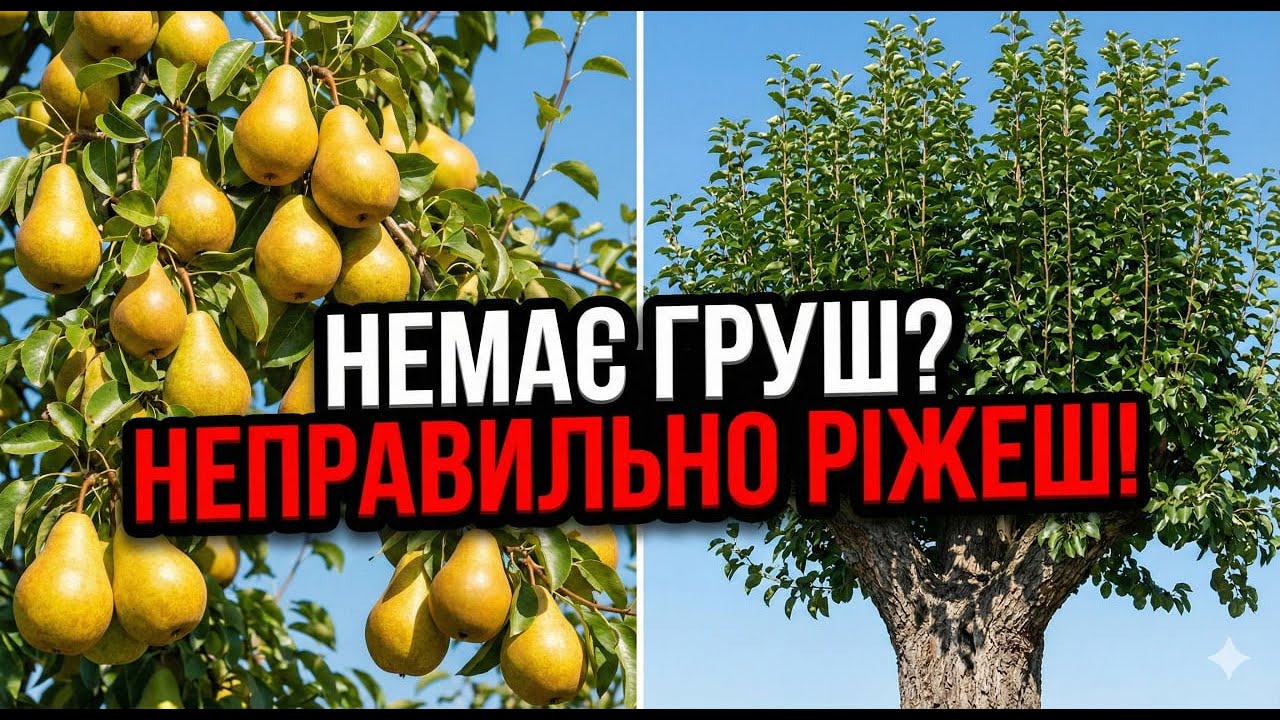
Most backyard fruit trees start strong, producing fruit in their first few years, but by year five, many trees slow down, overgrow, or stop producing usable fruit. This doesn’t happen because fruit trees are “difficult”—it happens because most gardeners unknowingly mismanage the biology of the tree. Fruit production depends on balance: energy allocation between growth, maintenance, and reproduction. When that balance is off, trees prioritize growth over fruit, creating sprawling, unproductive branches while the harvest shrinks.
In this video, we break down exactly why most fruit trees become unproductive after five years and what common mistakes lead to this decline. Overcrowded branches, poor pruning techniques, lack of proper nutrient management, incorrect timing, and insufficient attention to sunlight are all major factors. Most gardeners plant trees for instant gratification, ignoring long-term care, which results in beautiful but unproductive specimens.
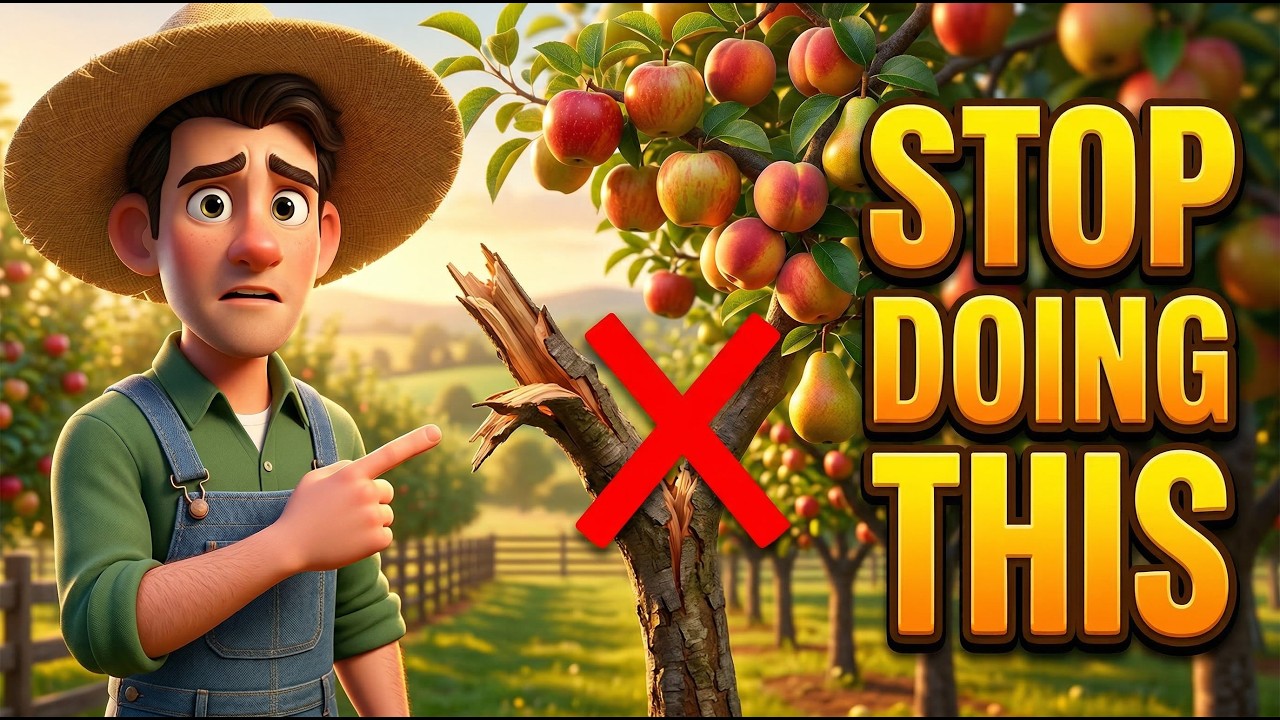
You’ll learn how to maintain energy balance in fruit trees with simple yet highly effective techniques like winter and summer pruning. Winter pruning removes old, unproductive wood and redirects energy toward fruiting spurs, while summer pruning slows excessive vegetative growth and strengthens productive shoots. Proper pruning, applied consistently, prevents trees from becoming overgrown, weak, or unbalanced, ensuring high yields for decades.
We also cover soil health, water management, and nutrient strategies that underpin long-term productivity. Healthy soil supports healthy roots, and healthy roots support productive fruiting branches. Mulching, composting, and organic matter maintain soil vitality, reduce stress on trees, and allow them to put maximum energy into fruit instead of survival.
Spacing and sunlight are often overlooked. Trees planted too close together or shaded by structures or other trees divert energy to compete for light instead of fruiting. Strategic placement and canopy management are crucial for long-term productivity. Integrated pest management and disease prevention are also key, as trees under stress or fighting pests will naturally reduce fruit production. Choosing disease-resistant varieties and maintaining proactive care ensures trees remain strong and productive.
We also discuss which fruit trees are most prone to early unproductivity, including apples, pears, peaches, and cherries, and explain how to select resilient varieties for your backyard. Understanding growth habits, flowering cycles, and fruiting patterns allows you to anticipate problems before they affect your harvest. Training young trees, maintaining a strong scaffold, and thinning branches at the right time are all essential practices for long-term success.
Timing is critical. Pruning, fertilizing, and harvesting at the wrong time can drastically reduce yields for years. Dormant-season maintenance and careful seasonal planning keep trees healthy and productive, while avoiding common mistakes that silently reduce fruit output.
Beyond individual trees, we explain how to design a backyard food system where trees are part of a layered, productive ecosystem. Pairing fruit trees with berries, perennial herbs, and annual vegetables extends harvests, maximizes sunlight, and creates redundancy in your garden. This approach ensures you always have a continuous supply of fresh, preserved, or stored food while maintaining tree health and productivity.
Повторяем попытку...
Доступные форматы для скачивания:
Скачать видео
-
Информация по загрузке: